


Viral Content Hooks: The Only Guide You Need
- Content Marketing
- September 29, 2025
- No Comments
Let’s be real: most content doesn’t flop because it’s bad. It flops because it never gets clicked in the first place. The secret? Hooks.
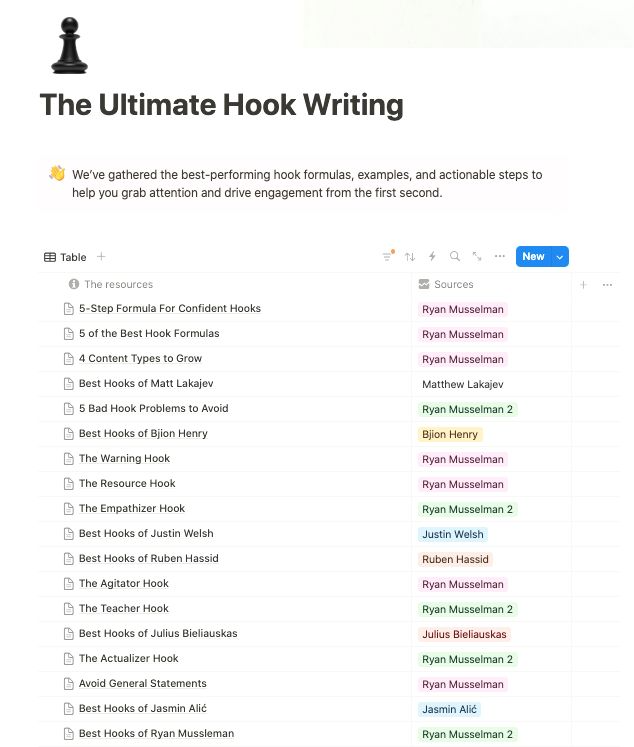
I’ve analyzed 100s of viral LinkedIn posts that have pulled in 1,000,000+ views. From Julius Bieliauskas’ astronaut-level openers to Justin Welsh’s scroll-stoppers, I’ve broken down the exact patterns that make people pause, click, and engage.
And instead of you spending weeks reverse-engineering what works, I’ve pulled the best hooks, templates, and frameworks into one guide. Think of this as your shortcut to writing posts that punch above their weight.
Credit: Linkedin User
What Is a Content Hook?
A content hook is the opening line or idea that grabs attention, sparks curiosity, and makes someone stop scrolling. Without it, your masterpiece never gets read.
A content hook is the first line or concept that captures attention and convinces readers to keep going. The best hooks create curiosity, stir emotion, or challenge assumptions. On platforms like LinkedIn, hooks are often one sentence designed to make readers stop scrolling and click “see more.”
The Most Viral Types of Hooks (Backed by Data)
After analyzing hundreds of viral posts, I noticed they fall into a few repeatable categories. Use these as templates:
1. The Brutal Truth Hook
Cut through the noise with a hard truth:
- “Most people will never make it past their first 10 posts.”
- “Your resume doesn’t matter. Your portfolio does.”
2. The Curiosity Gap Hook
Leave just enough unsaid so readers have to click:
- “I quit my dream job for this one reason…”
- “The one framework I wish I had learned 5 years earlier.”
3. The List Hook
People love shortcuts. Frame your post as an easy-to-digest list:
- “7 mistakes killing your engagement.”
- “3 hooks that get me 10x more views.”
4. The Relatable Struggle Hook
Make people nod along instantly:
- “You spend 2 hours writing a post. 12 likes. 3 comments. We’ve all been there.”
5. The Shock Value Hook
Numbers, contradictions, or jaw-dropping claims:
- “I made $40k from one LinkedIn post.”
- “AI won’t replace you. But someone using AI will.”
Templates From Top LinkedIn Creators
Instead of reinventing the wheel, here are the battle-tested hooks from creators who’ve cracked the code:
- Justin Welsh → Short, punchy, curiosity-driven.
- Ruben Hassid → Relatable + educational.
- Jasmin Alić → Bold statements that spark debate.
- Matt Lakajev → Personal stories with universal lessons.
Take these patterns and plug in your own insights. You’ll have a library of hooks ready in minutes.
Why Hooks Matter More Than Ever
Content platforms are noisier than ever. LinkedIn alone has 134.5 million active monthly users in 2025 (Statista, 2025). If your first line doesn’t make people stop, the algorithm won’t give your post oxygen.
A strong hook doesn’t just get views. It:
- Increases dwell time.
- Boosts click-through rate.
- Signals the algorithm to push your content further.
Quick Hook Writing Framework
Here’s a simple 3-step system you can copy:
- Start with pain or desire → What problem or dream does your audience care about?
- Add tension → What’s unexpected, surprising, or frustrating?
- Open a loop → Hint that you’ll reveal the answer in the post.
Example:
“You’re writing posts. Nobody’s reading them. Here’s why your first line is killing your reach.”
Relevant Reads:
AI Search vs Traditional Search: Is Google Really Dying?
SEO Case Study: Blogger Jumped from #7 to #1 on Google in 5 Days
Conclusion
Your content is only as strong as its hook. With these templates and creator-tested frameworks, you’ll never stare at a blank screen again.
Start experimenting, track what performs, and double down on the patterns that get the most clicks.
Explore more AI-powered tools and strategies on TheAISurf to take your content game even further.
FAQs
Q1: How do I know if my hook is strong?
If you’d stop scrolling when you read it, it’s strong. Test by reading it out loud—if it feels flat, it probably is.
Q2: Can I reuse the same hook formats?
Absolutely. Frameworks work because they’re timeless. Just rotate between formats so your content doesn’t feel repetitive.
Q3: Do hooks work outside LinkedIn?
Yes. Whether it’s email subject lines, YouTube titles, or blog intros, hooks are universal. The principles stay the same.