


Secure PDF Editor – Future of Document Security | Encrypted Documents
- Foxit PDF Editor PDF Editor
- October 8, 2025
- No Comments
Managing sensitive information requires more than just basic document handling skills. The landscape calls for advanced tools like a secure PDF editor, encrypted documents, password protection, GDPR compliance that not only safeguard data but also streamline compliance and collaboration.
Whether you’re a legal professional, corporate executive, or academic researcher, understanding how to select the right tools to protect your PDFs is crucial. These Foxit PDF Editor features ensure your documents remain confidential, tamper-proof, and compliant with evolving privacy regulations, ultimately building trust and integrity in your workflows.
The Importance of Secure PDF Editing
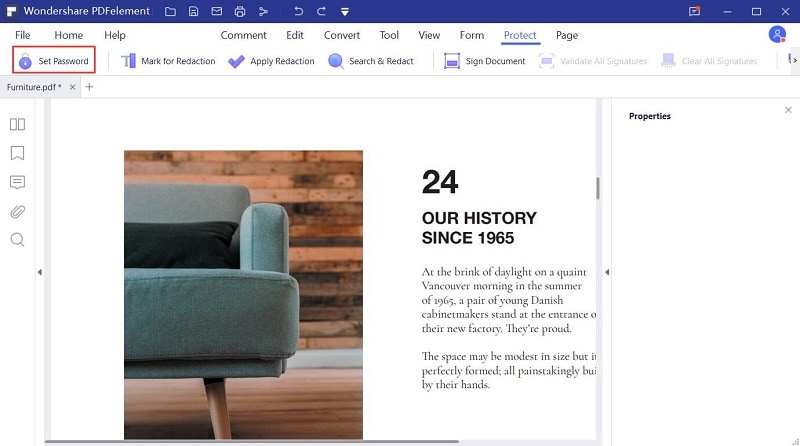
In an era where data breaches and cyber threats are increasingly sophisticated, secure PDF editing has become a critical component of organizational data management. PDFs are ubiquitous, often used to exchange contracts, legal documents, financial reports, and confidential communications.
Without appropriate security measures, these files are vulnerable to unauthorized access, modification, or malicious attacks, potentially leading to significant legal and financial consequences. Implementing secure editing practices not only mitigates these risks but also reassures stakeholders about the integrity and confidentiality of shared documents.
Moreover, security fosters compliance with regional and international regulations like GDPR, which emphasizes data privacy and protection. As more organizations adopt remote and hybrid work models, the need for encrypted documents and digitized security protocols increases, making the use of password protection and encryption methods indispensable.
Secure PDF editors thus serve as a safeguard, empowering users to control access, track modifications, and maintain document integrity throughout their lifecycle.
Key Features of a Secure PDF Editor for Encrypted Documents
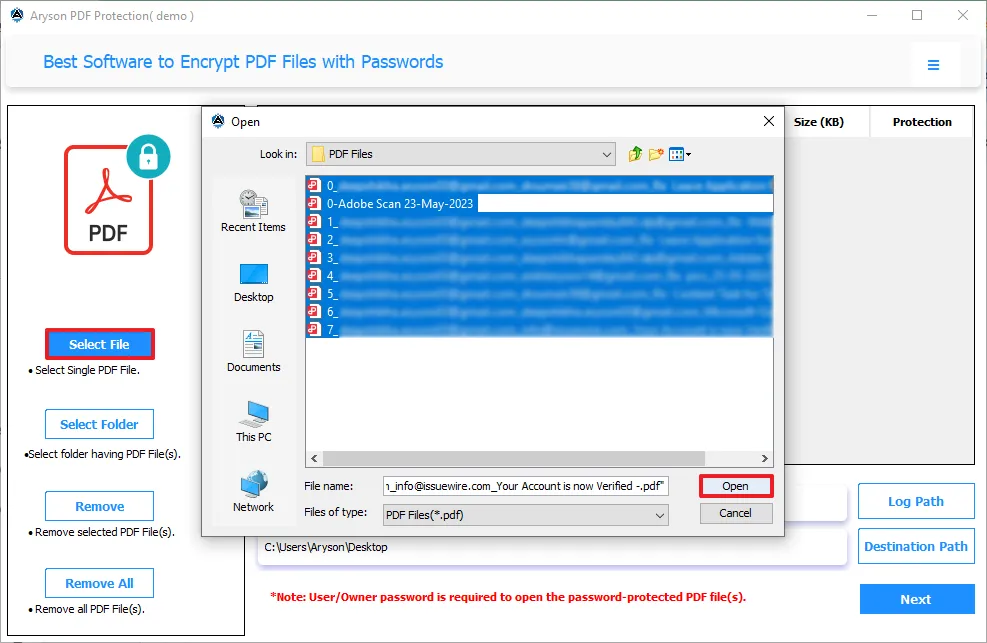
A robust secure PDF editor integrates several essential features to ensure document security without sacrificing usability. One of the primary features is encryption, which protects PDFs by encoding their contents, making unauthorized access nearly impossible without proper keys or passwords.
Cloud-based or local editions often offer encryption algorithms compliant with industry standards such as AES-256, ensuring high-level security.
Additionally, secure PDF editor features like digital signatures and audit trails enable users to verify document integrity and track every modification or access. Granular permissions—such as restricting printing, copying, or editing—enhance security further.
Intuitive redaction tools help conceal sensitive information before sharing, while seamless collaborative editing options allow multiple users to work securely on the same document in real-time. These features collectively establish a secure environment suited for legally and commercially sensitive materials.
Password Protection Strategies for PDF Files: A Comprehensive Guide
Securing PDFs with passwords is a fundamental security layer, but the effectiveness depends on strategic implementation. First, it’s vital to choose a strong, complex password—ideally a combination of uppercase and lowercase letters, numbers, and special characters—to minimize the risk of brute-force attacks.
Avoid predictable passwords like common words or date combinations. Additionally, implementing password policies within your organization can promote consistent security, such as regular password updates and restrictions against reuse.
Another critical secure PDF editor aspect involves choosing the right kind of password protection—user passwords for opening documents or owner passwords to restrict actions like editing or copying. Combining password protection with encryption enhances security, but it’s equally important to manage passwords securely. Using password managers and multi-factor authentication adds an extra layer of security.
For organizations, employing secure PDF editor automated password management and access controls can streamline protection while maintaining compliance and efficiency.
Understanding GDPR Compliance and Secure PDF Management

GDPR compliance is transforming how organizations handle personal data, and secure PDF management plays a vital role in this paradigm. GDPR mandates that organizations implement appropriate security measures to prevent unauthorized access and data breaches, emphasizing transparency and accountability.
Secure PDF management ensures sensitive data stored within documents is adequately protected through encryption, access controls, and audit logs, facilitating compliance with GDPR’s strict data protection standards.
Moreover, managing documents with secure PDF editor, compliance in mind involves establishing clear protocols for data minimization, lawful processing, and secure sharing. Features like digital signatures verify the authenticity of documents, providing audit trails for accountability.
When combined with strict access control policies and GDPR-compliant tools, secure PDF editors help organizations demonstrate due diligence, avoid penalties, and uphold user privacy rights, making them indispensable in the contemporary regulatory environment.
Choosing the Right Secure PDF Editor: Factors to Consider
Selecting a suitable secure PDF editor requires careful evaluation of several critical factors. First, assess the level of security offered—look for encryption standards, password protection options, and digital signature capabilities.
Compatibility across devices and operating systems should be prioritized to ensure seamless workflow across platforms. User-friendly interfaces reduce the learning curve and improve overall efficiency during secure editing sessions.
Beyond features, consider compliance with regulations like GDPR, which involves data handling practices and record-keeping capabilities. Integration with existing enterprise systems, such as document management or cloud storage platforms, can streamline workflows. Customer support and ongoing updates are vital for maintaining security standards over time.
Finally, cost-effectiveness and scalability matter—your secure PDF editor choice should align with your organization’s size, needs, and future growth plans, ensuring your secure PDF management remains robust and adaptable.
Encryption Methods for Sensitive PDF Data: A Technical Overview
PDF encryption techniques underpin the confidentiality and integrity of sensitive documents. The most common method is password-based encryption, using standards like AES (Advanced Encryption Standard), which scrambles data with complex algorithms, making unauthorized decryption virtually impossible without the key. Modern PDF encryption employs 256-bit keys, offering enhanced security suitable for highly confidential data.
Another technical approach involves public key infrastructure (PKI) where asymmetric encryption allows digital signatures and enhanced access control, especially useful in legal and governmental environments. Redundancy and layered security, such as combining password encryption with digital certificates, provide defense-in-depth.
Future developments, like quantum-resistant algorithms, are on the horizon to counter emerging threats. Understanding these methods helps organizations optimize their encryption strategies and ensure their encrypted documents are protected with state-of-the-art technology.
Best Practices for Collaborative PDF Editing While Maintaining Security
Collaborating on PDF documents necessitates balancing ease of access with security. Implementing role-based permissions ensures that team members only access features relevant to their roles, reducing accidental or malicious modifications. Using secure cloud storage integrated with your PDF editor allows real-time collaboration while maintaining encryption during transmission and storage.
Furthermore, establishing clear protocols—such as version control, secure commenting, and logging changes—preserves document integrity. To prevent unauthorized alterations, consider employing digital signatures and signature workflows that verify author authenticity. Regular training on security best practices and leveraging advanced secure PDF editor security features like redaction and document expiration enhance collaborative efforts without compromising data protection.
Advanced Security Features in PDF Editors

While password protection forms the foundation of PDF security, advanced features further safeguard sensitive content. Digital signatures provide authentication and non-repudiation, confirming the origin and integrity of documents. Redaction tools enable users to permanently conceal sensitive information before sharing, exceeding the limitations of simple password restrictions.
Features like document expiration and access revocation empower organizations to control document lifespan and access, aligning with GDPR and legal requirements. Moreover, integrated threat detection and behavioral analytics in some PDF solutions monitor unusual activities, alerting administrators to potential security breaches. Embracing these advanced security measures elevates document protection, ensuring your organization stays ahead of evolving cyber threats.
Case Studies: How Secure PDF Editors Help Businesses Meet Compliance Requirements
Across industry sectors, organizations increasingly rely on secure PDF solutions to meet compliance standards and operational demands. For example, a financial services firm implemented a secure PDF editor with encryption, digital signatures, and audit trails, enabling it to securely exchange client documents while fulfilling GDPR, MiFID II, and SEC regulations. This integration minimized compliance-related risks and fostered client trust.
Similarly, a healthcare provider adopted encrypted encrypted documents with strict access controls and redaction capabilities to manage patient records digitally. The secure PDF editor implementation not only enhanced confidentiality but also streamlined compliance with HIPAA and GDPR, reducing manual audit efforts. These case studies illustrate how adopting comprehensive PDF security strategies empowers organizations to operate confidently within legal frameworks while maintaining efficiency.
The Future of Secure Document Management – Trends in PDF Encryption and Protection
The landscape of secure document management continues to evolve, driven by technological advances and regulatory pressures. Emerging trends include the adoption of blockchain-based signatures for tamper-proof verification and AI-driven threat detection that identifies suspicious document activities. These innovations promise to enhance authenticity, traceability, and security in ways previously unimaginable.
Moreover, efforts are underway to develop quantum-resistant encryption algorithms, safeguarding digital documents against future computational threats. The integration of automated compliance auditing within PDF editors will streamline adherence to regulations like GDPR, HIPAA, and others, reducing manual oversight burdens.
As organizations move toward a more cloud-centric and collaborative approach to document management, the focus on encrypted documents and password protection within secure PDF environments will only intensify, shaping a future where data privacy is seamlessly woven into everyday workflows.
Relevant Reads:
Best PDF Editor 2025: Top Tools, Features, and Free Alternatives Compared
PDF Signing Tools, E-Signatures, & Secure Fill and Sign Forms
Conclusion
In summary, the importance of integrating a secure PDF editor, encrypted documents, password protection, GDPR compliance into organizational workflows cannot be overstated, especially given today’s complex cyber threat landscape and regulatory requirements. These tools provide essential features such as encryption, role-based access controls, digital signatures, and audit trails that ensure sensitive information remains confidential, tamper-proof, and compliant.
Making informed choices based on security capabilities, ease of use, and compliance features helps organizations build resilient workflows capable of adapting to evolving threats and regulations. Embracing advanced security features and staying aware of emerging trends in PDF encryption and protection are crucial steps toward safeguarding digital assets and maintaining trust in the digital age.
Ready to experience the future of secure document editing? Explore TheAISurf’s top AI tools now and protect, edit, and encrypt your PDFs with confidence — all in one place.