


How Automated Task Scheduling Transforms Your Day-to-Day Tasks
- ClickUp
- October 17, 2025
- No Comments
Automated task scheduling has become an indispensable tool for organizations seeking to enhance efficiency, streamline workflows, and reduce manual effort. As technology continues to evolve, the scope and capabilities of automated task scheduling systems expand, enabling businesses to allocate resources more effectively and react swiftly to changing demands.
This Task automation technology isn’t just a luxury anymore; it’s a necessity for maintaining competitiveness in a data-driven world, making understanding its nuances and applications crucial for modern enterprises.
The Rise of Automated Task Scheduling: A Comprehensive Overview
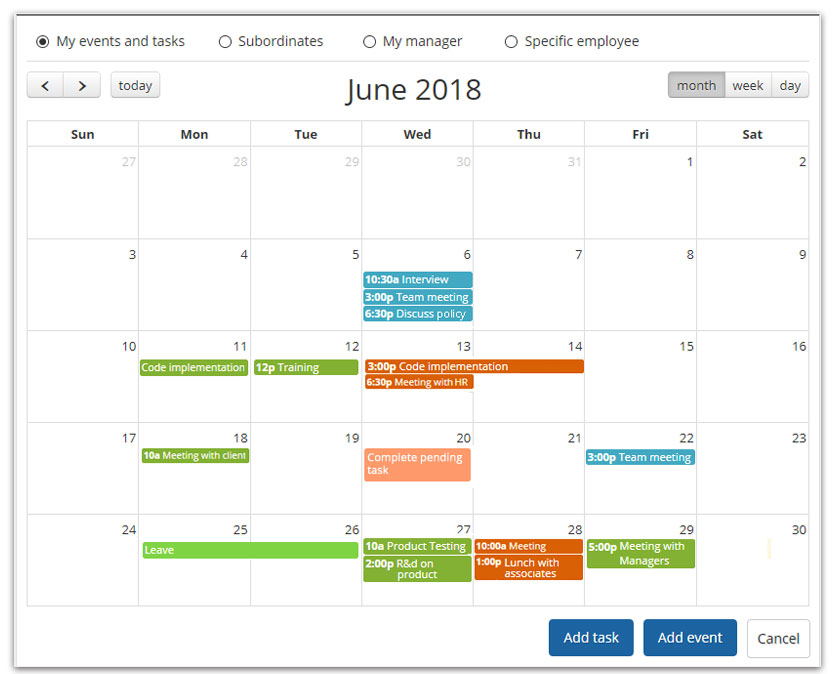
The evolution of Intelligent scheduling tools mirrors the broader digital transformation journey that many industries have undertaken. Initially, task automation was limited to simple batch operations and rudimentary calendar reminders. However, advances in artificial intelligence, machine learning, and cloud computing have catapulted it into a sophisticated ecosystem capable of orchestrating complex workflows across diverse systems.
Today, automated task scheduling integrates seamlessly with enterprise resource planning (ERP) systems, real-time analytics, and even IoT devices, creating a unified network of automated processes that function with minimal human intervention.
This rapid growth stems from the undeniable need for efficiency and consistency. Companies face mounting pressure to deliver services faster, reduce errors, and optimize resource utilization. Automated systems can operate tirelessly, adapting to changes dynamically—rerouting tasks, prioritizing workloads, and coordinating multiple processes with precision.
Additionally, the rise of remote work and global collaboration has underscored the importance of reliable, 24/7 task orchestration. As these factors converge, the adoption rate of automated task scheduling solutions is accelerating exponentially, transforming operational frameworks across sectors from manufacturing to finance.
Benefits of Automated Task Scheduling: Efficiency and Productivity
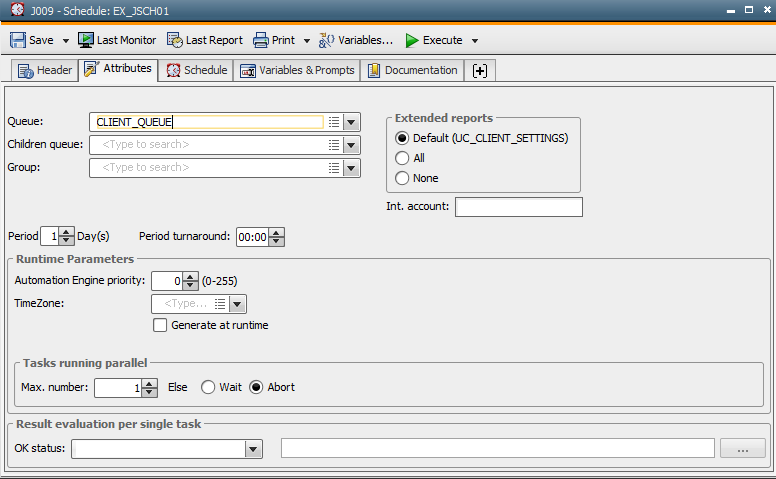
At its core, Intelligent scheduling tools significantly boosts operational efficiency by eliminating manual interventions and reducing human error. Tasks that once required meticulous planning, coordination, and oversight can now be executed consistently and on time, freeing up personnel to focus on strategic rather than repetitive activities.
This shift not only accelerates project timelines but also enhances overall productivity, allowing teams to accomplish more within the same timeframe. For example, automating data backups, report generation, and system updates ensures these critical activities happen without delays, safeguarding business continuity.
Furthermore, automation fosters a proactive approach to problem-solving. By dynamically adjusting schedules based on real-time data, automated systems can preempt potential bottlenecks or conflicts, maintaining smooth workflows and reducing downtime.
This adaptive capability means organizations can respond swiftly to unexpected events, such as supply chain disruptions or sudden spikes in demand. When executed effectively, automated task scheduling promotes a culture of precision, accountability, and resilience, ultimately translating into cost savings, improved service delivery, and competitive advantage.
Key Features to Consider When Choosing an Automated Task Scheduler
Selecting the right Intelligent scheduling tools tool involves evaluating several critical features that align with your organization’s needs. First, scalability is paramount; as your business grows, your scheduling solution should adapt seamlessly to increased complexity and volume.
Look for features like load balancing and dynamic resource allocation that enable the system to handle larger workloads without compromising performance. Additionally, usability cannot be overlooked—intuitive interfaces and straightforward configuration reduce training time and increase adoption rates among team members.
Another crucial aspect is integration capability. A robust automated task scheduling system should integrate smoothly with existing applications, databases, and communication platforms. Features such as API support, compatible plugins, and customizable workflows ensure the tool can be tailored to your unique processes.
Security features are equally important; encrypted communications, role-based access controls, and audit trails help safeguard sensitive data and ensure compliance with industry standards like GDPR or HIPAA. Considering these features holistically ensures your chosen solution enhances operational efficiency while maintaining security and flexibility.
Integrating Automated Task Scheduling into Your Existing Workflow
Implementing Workflow automation task scheduling within a pre-existing workflow requires thoughtful planning to minimize disruption and maximize benefits. Start by mapping out current processes, identifying repetitive or time-consuming tasks that are ripe for automation.
This initial step provides clarity on where automation can bring the greatest impact and what dependencies exist. Next, gradually introduce automation tools, starting with less critical processes to build confidence and troubleshoot potential issues before scaling up.
Successful integration hinges on effective training and change management. It’s essential to involve stakeholders from different departments, ensuring they understand the benefits and how to interact with the new system. Leveraging APIs and flexible configuration options allows automation to complement and enhance existing workflows rather than replace them entirely.
Continuous monitoring and feedback are essential—adjusting schedules based on real-world performance ensures the system remains aligned with organizational goals, ultimately leading to a more cohesive, efficient operation that leverages automated task scheduling’s full potential.
Automated Task Scheduling: A Comparison of Leading Software Solutions
The landscape of automated Workflow automation software is diverse, with offerings tailored to different organizational sizes and requirements. Tools like Apache Airflow excel in managing complex data workflows with a focus on data engineering and analytics, providing intricate dependency management and scalability.
Conversely, solutions like Microsoft Power Automate offer user-friendly interfaces that integrate seamlessly into Microsoft ecosystems, making them ideal for small to medium-sized enterprises seeking simple yet effective automation.
More comprehensive platforms like UiPath and Zapier provide a wide array of integrations and automation capabilities suited for varied business functions—from marketing campaigns to customer service workflows. When comparing these solutions, consider factors such as ease of use, customization options, integration capabilities, pricing models, and support. The choice ultimately depends on your organization’s specific needs, technical ecosystem, and long-term automation strategy. A thorough evaluation of features against your operational blueprint ensures you select a solution that offering maximum automated task scheduling value.
Optimizing Resource Allocation with Automated Task Scheduling
One of the most strategic advantages of automated task scheduling is its ability to optimize resource allocation across an organization. By intelligently assigning tasks based on real-time workload data, system capabilities, and employee availability, automation ensures that resources—whether human or technological—are used most effectively. This minimizes idle time, prevents burnout, and guarantees critical tasks receive the attention they need without overburdening specific teams or systems.
Additionally, automation fosters a holistic view of organizational capacity, facilitating proactive planning and forecasting. For example, by analyzing task patterns and execution times, managers can identify bottlenecks or underutilized assets and reconfigure schedules accordingly. Such insights empower decision-makers to allocate resources dynamically, aligning workload with strategic priorities. Consequently, organizations can achieve higher throughput, better cost management, and improved agility—hallmarks of a well-executed automated task scheduling strategy.
The Impact of Automated Task Scheduling on Employee Morale
While automation is often associated with job displacement, automated task scheduling can have a profoundly positive impact on employee morale when implemented thoughtfully. By automating mundane, repetitive tasks, employees are freed to focus on higher-value, more engaging work that leverages their skills and creativity. This shift not only increases job satisfaction but also fosters a culture of innovation and continuous improvement.
However, the transition to automated processes must be managed with transparency and support. Employees need to understand that automation aims to augment their work, not replace them, and that their expertise remains vital in strategic decision-making and oversight. When communicated effectively, automated task scheduling can reduce stress, eliminate frustration caused by human error, and promote a more balanced workload. This results in happier, more motivated teams capable of focusing on meaningful work, ultimately driving organizational success.
Security Considerations for Automated Task Scheduling Systems
Security is a critical concern when deploying Workflow automation solutions, as these systems often handle sensitive data, proprietary workflows, and access to critical systems. Implementing robust security measures is essential to prevent unauthorized access, data breaches, and malicious interference. This includes employing encryption protocols for data in transit and at rest, multi-factor authentication, and role-based access controls to restrict system privileges based on user roles.
Furthermore, comprehensive audit logs and activity monitoring tools are vital for tracking system activity and identifying anomalies that could indicate security threats.
Regular updates, vulnerability assessments, and adherence to industry compliance standards like GDPR, HIPAA, or SOC 2 contribute to a resilient security posture. When organizations prioritize security alongside functionality, automated task scheduling systems become reliable pillars supporting operational excellence without exposing vulnerable points that can be exploited by cyber threats.
Future Trends in Automated Task Scheduling Technology

The future of automated task scheduling is poised to be shaped by breakthroughs in artificial intelligence and machine learning. As these technologies like ClickUp mature, scheduling systems will become more autonomous, predictive, and context-aware. For instance, advanced AI algorithms will not only execute schedules but also learn from past performance to optimize future plans, proactively adjusting workflows based on external variables such as market conditions or machine performance data.
Moreover, integration with emerging technologies like blockchain and edge computing promises greater transparency, security, and real-time processing capabilities. Adaptive automation driven by AI will enable systems to make complex decisions without human intervention, leading to increasingly intelligent resource management and workflow orchestration.
As Workflow automation continues to evolve, organizations can expect smarter, more resilient systems that adapt swiftly to change, making automation an even more integral part of business agility and innovation.
Case Studies: Successful Implementations of Automated Task Scheduling
Many organizations have successfully harnessed automated task scheduling to revolutionize their operations. A prominent example is a leading e-commerce company that integrated an automation system to manage its inventory replenishment, shipping schedules, and customer notifications. The result was a dramatic reduction in order processing times and stockouts, leading to improved customer satisfaction and increased revenue. Their automation system dynamically adjusted schedules based on sales trends, enabling real-time response to market demands.
Similarly, a large manufacturing firm deployed an automated scheduling solution to coordinate maintenance, quality checks, and machine operations. This integration led to significant reductions in unexpected downtime and maintenance costs.
The system’s predictive capabilities anticipated equipment failures and scheduled preventive maintenance proactively. These case studies demonstrate how Time management software can deliver measurable operational improvements, reinforce competitive advantage, and foster a culture of continuous optimization.
Relevant Reads:
Project Management Software in 2025: An In-Depth Exploration
Project Workflow Automation Tools Every Team Needs
Conclusion
In conclusion, Time management software stands as a transformative force across industries, driving efficiency, enhancing resource utilization, and improving organizational resilience. Its evolution from simple automation tools to sophisticated, AI-driven systems underscores its critical importance in modern workflows. By carefully selecting features, integrating automation thoughtfully, and prioritizing security, organizations can unlock the full potential of automated task scheduling.
As future trends promise smarter, more autonomous systems, adapting and embracing this technology will be vital for businesses seeking sustained growth, innovation, and competitive dominance in an increasingly digital landscape.