


AI-Powered Dashboards Top Benefits for Business Growth
- ClickUp
- October 19, 2025
- No Comments
Ai-powered dashboards have become essential tools that empower organizations to harness the full potential of their data. These intelligent platforms integrate artificial intelligence directly into the visualization and analysis process, transforming raw data into actionable insights with unprecedented speed and accuracy.
Unlike traditional dashboards that rely heavily on manual data input and static reports, ai-powered dashboards automate many facets of data interpretation, enabling users to focus on strategic decision-making while the system handles complex computations and pattern recognition.
Through contextual understanding, real-time updates, and predictive capabilities, ai-powered dashboards are redefining how businesses approach data-driven management. They serve as dynamic interfaces that not only visualize data but also learn from it, continuously improving their insights and suggestions.
As more organizations recognize the competitive edge that these AI-powered reporting tools provide, they are becoming indispensable tools across industries—from healthcare and finance to marketing and manufacturing—propelling organizations into a new era of intelligent decision-making.
Unlocking Insights: The Power of AI-Driven Dashboards
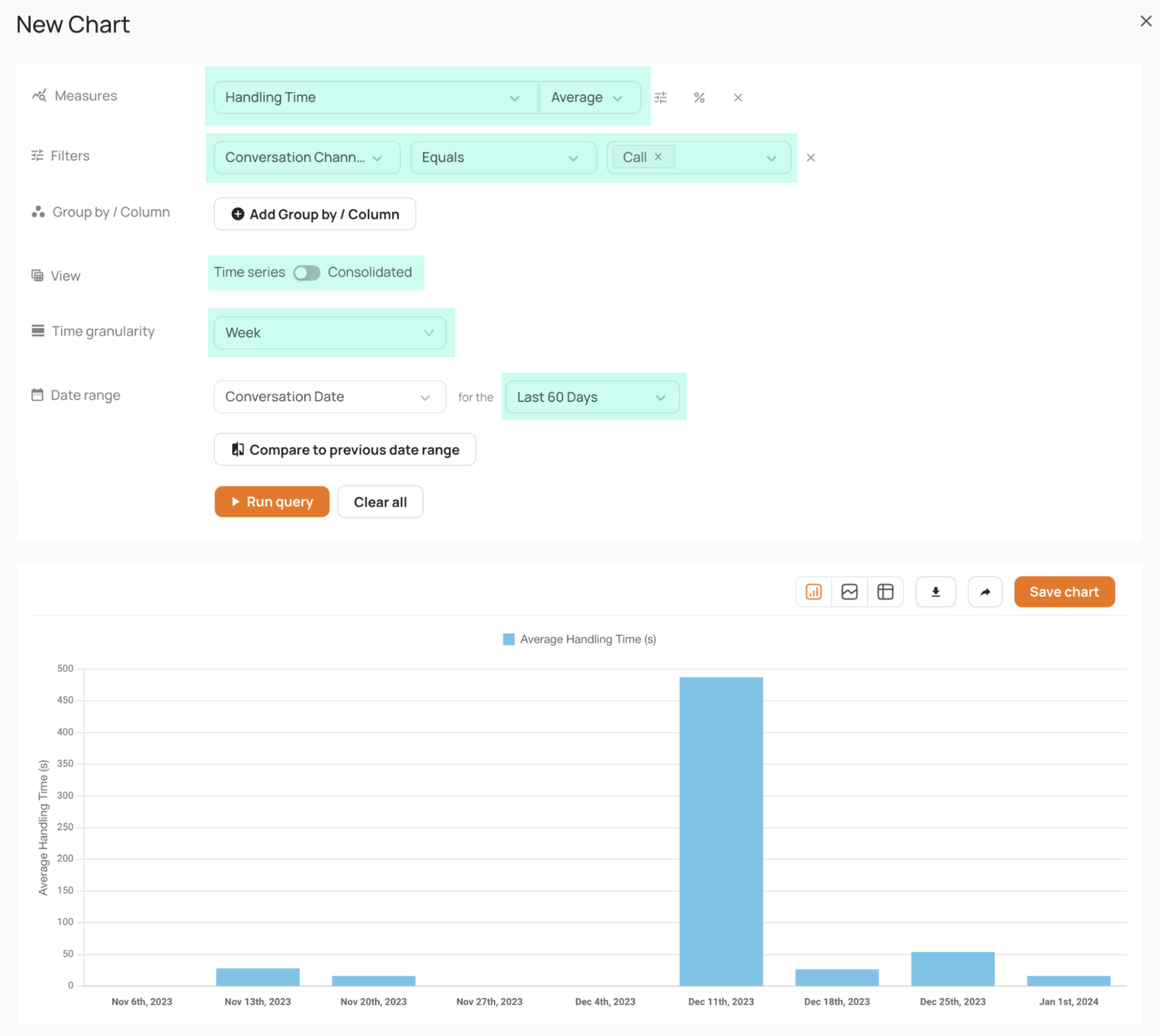
Unlocking value from vast, complex datasets has long challenged organizations, necessitating advanced tools that can interpret and synthesize information efficiently. This is precisely where ai-powered dashboards excel.
Leveraging machine learning algorithms and natural language processing, these dashboards can uncover hidden patterns, correlations, and trends that might escape human analysis or traditional visualization techniques. They shift the paradigm from reactive to proactive insights, enabling businesses to anticipate shifts before they happen.
Moreover, ai-powered dashboards facilitate deeper insights with minimal manual effort. They can automatically adjust visualizations based on evolving data or user queries, providing contextual suggestions that enhance understanding.
This democratization of analytics ensures that decision-makers at all levels—regardless of technical expertise—can access sophisticated insights quickly and confidently. By unlocking these insights, organizations gain a strategic advantage, fostering innovation, responsiveness, and agility in a competitive marketplace.
AI-Powered Dashboards: Transforming Data Visualization and Analysis
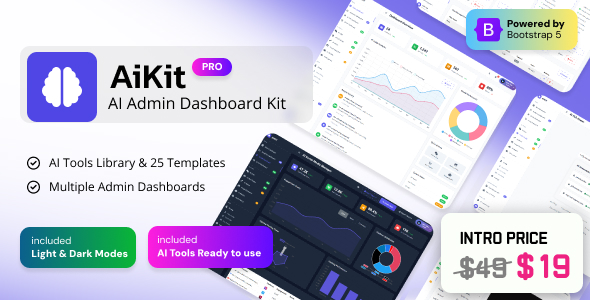
Data visualization has traditionally relied on predefined charts and static reports, which often limit interpretability and responsiveness. AI business dashboards revolutionize this process by making visualization adaptive, interactive, and intelligent.
These systems analyze data continuously, adjusting displays to highlight the most relevant metrics and anomalies without manual intervention. As a result, users can explore data more intuitively, uncovering nuanced insights that static dashboards might overlook.
Beyond mere visualization, ai-powered dashboards embed analytical intelligence within the interface itself. They can perform complex computations such as trend analysis, outlier detection, and correlation identification in real time.
This integration enables a more profound understanding of data dynamics, empowering users to ask sophisticated questions and receive immediate, comprehensive answers. Consequently, organizations experience a transformation in their analytical workflows, becoming more agile and data-centric.
Maximizing Efficiency: How AI Dashboards Automate Data Monitoring
Manual data monitoring is resource-intensive and prone to human error, especially when dealing with large-scale or real-time data streams. AI dashboards automate this process by continuously tracking key performance indicators (KPIs) and operational metrics, flagging issues proactively and providing timely alerts. This automation not only saves valuable time but also ensures that critical insights are not missed, enabling organizations to respond swiftly to emerging challenges or opportunities.
Furthermore, ai-powered dashboards tailor monitoring processes based on contextual relevance. They can prioritize alerts, suggest relevant actions, and even predict potential future states based on historical and real-time data patterns.
This level of automation turns data monitoring from a reactive task into a strategic advantage, freeing up human resources for higher-level analysis and decision-making. Ultimately, these dashboards enhance operational efficiency, reduce downtime, and support a more proactive management ethos.
Predictive Analytics: Leveraging AI Dashboards for Informed Decision-Making
Predictive analytics has emerged as a cornerstone of modern data strategy, and ai-powered dashboards are central to embedding this capability into everyday business operations. By analyzing historical data and identifying patterns, these dashboards can forecast future outcomes—ranging from sales trends and customer behaviors to supply chain disruptions. This predictive power transforms dashboards from descriptive tools into forward-looking decision aides, shaping strategies based on probable scenarios rather than past occurrences.
The true strength of smart data visualization tools in predictive analytics lies in their ability to continuously learn and adapt. As new data flows in, they refine their models, improving accuracy and relevance over time.
Leaders can make more confident decisions, allocate resources more effectively, and develop proactive plans that mitigate risks or capitalize on emerging opportunities. As a result, organizations shift from reactive problem-solving to strategic foresight, gaining a significant competitive advantage.
Customization and Personalization: The Future of AI-Enabled Dashboards
The evolving landscape of ai-powered dashboards emphasizes personalization as a key factor in user engagement and effectiveness. These systems recognize that different users—executives, analysts, operational staff—have unique data needs and interpretative styles. AI enables dashboards to adapt layouts, display relevant metrics, and even tailor insights based on individual preferences or roles, fostering a more intuitive and productive user experience.
Looking ahead, customization will go beyond static settings, embracing collaborative AI models that learn from user interactions over time. Dashboards will become increasingly proactive, suggesting relevant metrics, alerts, or visualizations aligned with specific goals or contexts. This level of personalization not only enhances usability but also promotes a deeper connection between users and their data, leading to more informed and confident decision-making across the organization.
Beyond Visualization: The Advanced Capabilities of AI-Powered Dashboards
While visualization remains a core feature, AI-driven analytics encompass a spectrum of advanced capabilities that redefine data analysis. These include natural language processing, enabling users to query data conversationally and receive instant insights without complex technical syntax. Such interfaces bridge the gap between technical and non-technical users, democratizing access to sophisticated analytics.
Additionally, AI integrations facilitate anomaly detection, root cause analysis, and scenario simulation within dashboards. These features go beyond mere representation to offer prescriptive insights—recommendations that guide users toward optimal decisions or responses.
In essence, ai-powered dashboards evolve into intelligent decision-support systems that combine visualization, analysis, and automation, delivering comprehensive tools for complex problem-solving.
Overcoming Data Silos: AI Dashboards as Centralized Information Hubs
Data silos—fragmented, isolated pockets of information—pose a significant barrier to holistic insights within organizations. AI dashboards serve as centralized hubs that unify disparate data sources, breaking down silos through intelligent data integration and normalization. They facilitate a unified view of organizational metrics, enabling seamless cross-departmental analysis and fostering a culture of data transparency.
Moreover, ai-powered dashboards employ AI-driven data fusion techniques, enriching datasets with contextual insights and predictive capabilities. This integration empowers organizations to perform comprehensive analyses that consider multiple perspectives simultaneously, leading to more robust strategies and informed decision-making.
By serving as the nerve center of data ecosystems, these dashboards promote collaboration, agility, and a more cohesive understanding of operations.
Implementing AI Dashboards: Best Practices and Considerations
Successfully deploying ai-powered dashboards like ClickUp requires thoughtful planning and an understanding of organizational needs. It begins with clearly defining objectives—whether operational monitoring, strategic forecasting, or user engagement—and choosing the right AI tools that align with these goals.
Engaging stakeholders early and ensuring data quality are critical steps, as AI models depend heavily on accurate, clean, and relevant data to deliver meaningful insights.
On a broader scale, organizations must consider issues of scalability, user training, and ongoing maintenance. Establishing governance policies around data privacy, bias mitigation, and model transparency ensures responsible AI usage.
Incorporating user feedback and continuously iterating on dashboard design and functionality fosters adoption and maximizes ROI. Embracing these best practices will position organizations to leverage ai-powered dashboards as transformative assets rather than static, one-off solutions.
The ROI of AI-Powered Dashboards: Quantifying the Benefits
Quantifying the return on investment (ROI) for ai-powered dashboards can be complex but immensely valuable. The benefits often manifest in increased efficiency, faster decision cycles, and reduced operational costs—outcomes that directly impact bottom-line performance.
For instance, automating routine data analysis frees staff for strategic tasks, while predictive insights can prevent losses and capitalize on opportunities, translating into significant financial gains over time.
Beyond tangible savings, organizations benefit from improved agility and competitive advantage. The ability to anticipate market shifts, optimize resource allocation, and respond proactively can lead to increased revenues and market share.
Quantifying these gains should involve tracking key performance indicators (KPIs) pre- and post-implementation, consistently evaluating how ai-powered dashboards influence organizational performance and strategic outcomes.
Future Trends: The Evolution of AI in Data Dashboard Technology
The trajectory of ai-powered dashboards points toward increasingly sophisticated and integrated systems, driven by advancements in AI, cloud computing, and user experience design. Future dashboards will likely incorporate augmented reality (AR) and virtual reality (VR) interfaces, providing immersive data exploration experiences. Additionally, real-time multi-modal data ingestion—combining visual, auditory, and sensor data—will enhance situational awareness and decision-making.
Another significant trend involves explainability and ethical AI, ensuring that insights and recommendations are transparent and free from bias. As AI models grow more complex, interpretability will become essential for building trust and compliance.
Overall, the evolution of ai-powered dashboards will focus on seamless human-AI collaboration, personalization at scale, and adaptive learning, empowering organizations to thrive amidst an increasingly data-driven world.
Relevant Reads:
Project Management Software in 2025: An In-Depth Exploration
Predictive Analytics for Projects: Reduce Risks & Delays
Conclusion
Ai-powered dashboards represent the frontier of intelligent data analysis, seamlessly integrating artificial intelligence with visualization to unlock insights that drive strategic advantage. They transform how organizations monitor, analyze, and act on data by automating processes, providing predictive analytics, and enabling personalized experiences.
As their capabilities expand—from advanced anomaly detection to immersive data interfaces—these dashboards become vital tools for overcoming data silos, enhancing operational efficiency, and future-proofing decision-making.
By embracing best practices in implementation and keeping an eye on evolving trends, organizations can maximize their ROI and leverage ai-powered dashboards as transformative assets in the digital age.