



Tips For Effective Collaboration: Hacks for Seamless Teamwork
- ClickUp
- October 22, 2025
- No Comments
The ability to collaborate effectively has become a crucial skill for success across various domains. With the increasing complexity of projects and the diversity of teams, mastering tips for effective collaboration can significantly enhance productivity, innovation, and employee satisfaction.
Whether you’re leading a team, working within one, or managing cross-functional projects, understanding how to foster seamless cooperation is essential. This article explores comprehensive strategies and insights for collaborative project management to help you unlock the full potential of collaboration and transform your team dynamics.
Boosting Teamwork: Proven Collaboration Strategies
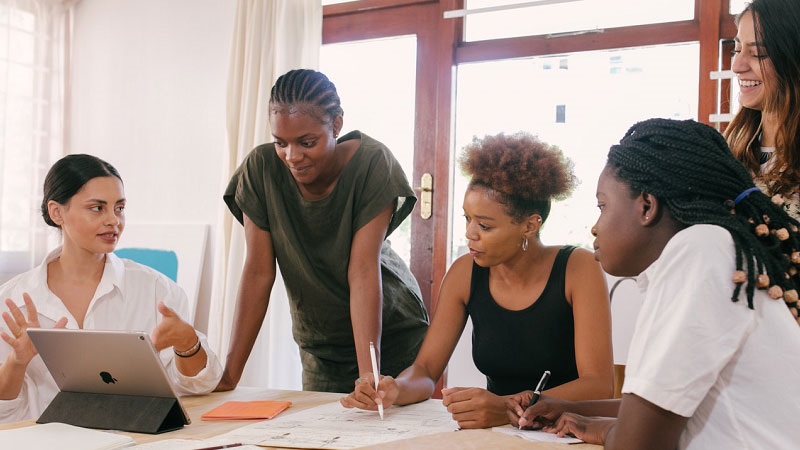
Achieving strong teamwork requires fostering a culture of trust and open communication. Effective collaboration starts with clearly defined roles and shared goals that align everyone’s efforts. When team members understand their individual responsibilities and how their contributions connect to the larger mission, they are more motivated and engaged. Additionally, institutions that invest in ongoing team-building activities and encourage transparency cultivate an environment where trust flourishes, leading to more natural and productive collaboration.
Beyond setting expectations, embracing diversity and leveraging different perspectives can boost team creativity and problem-solving. Encouraging members to voice their unique ideas and approaches often leads to innovative solutions that a homogenous group may overlook. Implementing collaborative tools—like project management software, communication platforms, and shared documents—can streamline workflow, reduce misunderstandings, and ensure everyone stays on the same page. These proven strategies serve as the foundation for thriving teamwork and stronger, more resilient collaborations.
Unlocking Synergies: Essential Tips for Effective Collaboration
One of the most impactful tips for effective collaboration is recognizing and harnessing individual strengths within the team. When leaders and team members alike identify each person’s unique skills and assign tasks accordingly, synergy naturally emerges. This approach not only increases overall efficiency but also boosts morale, as individuals feel valued and empowered to contribute meaningfully.
Another crucial tip involves cultivating active listening skills. Effective collaboration isn’t just about sharing ideas; it’s about truly hearing and understanding others’ viewpoints. When team members practice attentive listening, miscommunications decrease, and trust deepens. Such an environment encourages respectful dialogue, enabling teams to navigate conflicts constructively and arrive at consensus faster. These fundamentals—leveraging strengths and practicing active listening—are vital for unlocking the full potential of team collaboration.
Collaborate to Elevate: Practical Advice for Team Success
Practical advice for elevating teamwork revolves around establishing clear, open channels of communication. Regular check-ins, whether through meetings, virtual stand-ups, or informal chats, keep everyone aligned and enable quick resolution of issues. Setting expectations upfront about communication norms ensures that information flows smoothly, and no one feels left behind. Transparent communication also promotes accountability, as team members are aware of project statuses and deadlines.
Furthermore, fostering a culture of continuous feedback is essential for sustained success. Constructive feedback helps individuals improve and adapt, while positive reinforcement recognizes achievements and boosts morale. Adopting collaborative practices that reward teamwork—such as collective recognition and shared goals—creates an environment where collaboration is not only expected but celebrated. These practical steps can dramatically increase team cohesion and drive successful project outcomes.
The Art of Working Together: Mastering Effective Collaboration
Mastering tips for effective collaboration as an art involves cultivating emotional intelligence within the team. Recognizing emotional cues and responding empathetically can bridge gaps between diverse personalities and working styles. When team members feel understood and appreciated, collaboration becomes more genuine and less fraught with conflicts. Developing patience and adaptability further enhances the ability to work harmoniously amidst inevitable challenges.
The dynamics of collaboration also benefit from developing conflict resolution skills. Differences in opinions are natural; what matters is how conflicts are managed. Successful teams approach conflicts as opportunities for growth rather than obstacles, using open dialogue and mutual respect to navigate disagreements. As with any art, mastery of effective collaboration requires patience, practice, and a commitment to continuous improvement—turning collective efforts into a symphony of shared success.
From Solo to Symphony: Transforming Teams Through Collaboration
Transitioning from individual work to a cohesive team effort resembles transforming a solo performance into a symphony. It involves aligning personal goals with team objectives and creating a shared understanding of success. Leaders play a pivotal role by inspiring a common vision and encouraging collaborative mindsets. When each member sees their role as a vital part of the whole, passionate cooperation naturally follows, resulting in harmonious productivity.
This transformation also requires dismantling silos and fostering cross-functional interactions. Encouraging team members to collaborate across departments and disciplines can generate innovative ideas and solutions that might otherwise remain untapped. A collaborative environment that values diverse contributions and promotes mutual respect turns teams into well-oiled orchestras capable of tackling complex challenges with synergy and finesse.
Working Smarter, Together: Collaboration Best Practices
Working smarter, together, involves adopting best practices that optimize resource use and minimize redundant effort. One such practice is adopting Agile or Lean methodologies, which emphasize iterative progress, continuous improvement, and flexibility. These frameworks promote short cycles of feedback and adaptation, ensuring the team remains aligned with project goals while remaining adaptable to changes.
Another best practice is fostering psychological safety, where team members feel safe to voice dissent, share ideas, and admit mistakes without fear of blame. Such an environment encourages experimentation and learning, essential for innovation and improvement. Emphasizing collaboration over competition within teams, combined with effective time management and prioritization, can elevate productivity and foster a culture of continuous, intelligent work.
Collaboration for Maximum Impact: A Comprehensive Guide
Achieving maximum impact through collaboration involves integrating multiple strategies into a cohesive framework. Start with establishing clear goals and shared values to unify the team’s efforts. Incorporate diverse perspectives and create opportunities for innovation through brainstorming sessions, workshops, and cross-disciplinary projects. Building a sense of community and shared purpose often leads to higher levels of commitment and enthusiasm.
Additionally, leveraging technology plays a critical role in scaling collaboration across geographically dispersed teams. Cloud-based tools, video conferencing, and collaborative platforms make remote teamwork seamless. Regular evaluation of collaboration practices and adapting them based on team feedback ensures continuous improvement. When these elements come together, teams can realize the full potential of collaboration, driving impactful results and sustainable success.
Supercharge Your Team: Effective Collaboration Techniques
Supercharging a team’s collaboration capabilities involves implementing innovative techniques that foster creativity and engagement. Techniques such as design thinking workshops, brainstorming sessions, and cross-training help break down barriers and encourage fresh ideas. Additionally, creating a culture of experimentation—where failures are viewed as learning opportunities—can inspire team members to push boundaries without fear.
Another powerful ClickUP method is utilizing peer mentoring and buddy systems, which promote knowledge sharing and support networks within the team. These techniques cultivate camaraderie and mutual accountability, often leading to unexpectedly high levels of motivation and cohesion. By embracing such dynamic strategies, teams can become more agile, innovative, and driven toward delivering exceptional results.
Building Bridges: Fostering Effective Collaboration in the Workplace
Fostering effective collaboration in the workplace goes beyond surface-level team activities; it involves building genuine relationships founded on trust, respect, and shared purpose. Managers should prioritize creating inclusive environments where diversity of thought is valued and every voice can be heard. Regular team social events, brainstorming sessions, and open-door policies can help humanize interactions and strengthen bonds.
Moreover, fostering collaboration requires intentional efforts to eliminate organizational barriers—such as hierarchical silos or unclear communication channels—that inhibit fluid cooperation. Empowering employees to make decisions and encouraging a growth mindset create a fertile ground for innovative collaboration. When workplace relationships evolve into authentic partnerships, the resulting synergy significantly amplifies team performance and organizational success.
Collaboration that Counts: Maximizing Team Productivity
Maximizing team productivity through tips for effective collaboration hinges on strategic clarity and resource management. Setting SMART (Specific, Measurable, Achievable, Relevant, Time-bound) goals ensures everyone understands the priorities and can work toward common milestones. In parallel, providing the right tools and environment—such as quiet zones, flexible workspaces, and reliable technology—removes obstacles that hinder smooth collaboration.
It’s equally important to nurture a culture where accountability and recognition are embedded. Celebrating wins and acknowledging individual contributions fosters motivation and reinforces the value of collaboration. Building resilience and adaptability into team practices enables members to navigate setbacks efficiently. When these strategies are combined, teams can achieve higher productivity levels and deliver impactful results consistently.
Relevant Reads:
Project Management Software in 2025: An In-Depth Exploration
Best Practices For Project Management: Techniques That Work
Conclusion
Effective collaboration is a complex, multifaceted skill that requires intentional effort and strategic thinking to master. This comprehensive guide has explored diverse tips—from boosting teamwork and unlocking synergies to transforming teams and fostering a collaborative culture—each contributing to the larger goal of maximizing collective success.
By applying these principles, cultivating trust, leveraging diverse talents, and utilizing innovative techniques, teams can transcend individual limitations and achieve extraordinary outcomes. Embracing continuous improvement and adapting to changing circumstances ensure that collaboration remains a dynamic and powerful driver of organizational growth and innovation.