


AI Browser Extensions – The Future AI Chrome Tools
- AI Tools directory
- October 12, 2025
- No Comments
AI browser extensions, AI Chrome tools are transforming how we interact with the web. These innovative tools leverage artificial intelligence to enhance productivity, improve content creation, and streamline browsing experiences. As users seek smarter, more efficient ways to navigate the internet, these AI-powered extensions are becoming indispensable components of modern browsing, blending convenience with advanced functionality.
This comprehensive guide will delve into the rise of these tools, showcasing how they revolutionize our everyday digital interactions and what the future holds for AI browser extensions technology. Discover the latest AI browser extensions reshaping productivity and creativity—explore more innovative tools on this leading AI tools platform.
The Rise of AI-Powered Browser Extensions — A Comparative Overview
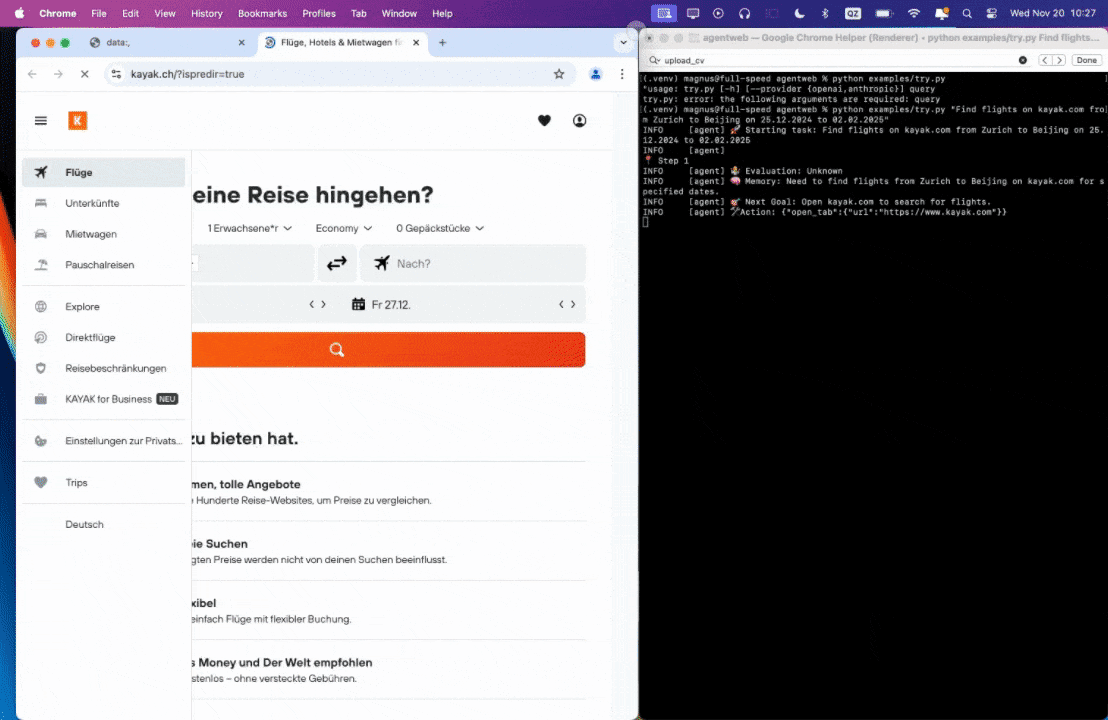
The advent of AI-powered browser extensions marks a significant milestone in the evolution of web browsing. Initially, browser extensions primarily offered simple functionalities like ad-blocking or password management.
However, with the integration of machine learning and natural language processing, these tools now provide complex, context-aware assistance that adapts dynamically to user needs. This AI browser extensions evolution has made AI extensions a crucial part of digital workflows, especially for professionals, content creators, and avid web users seeking automation and smarter insights.
Comparatively, tools such as Merlin, AIPRM, and Promptheus each target specific niches, yet all share the common goal of augmenting human capabilities through AI. Merlin, for instance, focuses on intelligent productivity enhancements, offering contextual suggestions and automation for common browser tasks. AIPRM excels in the realm of prompt management and AI-assisted research, making it popular among marketers and developers.
Promptheus stands out by emphasizing advanced prompt engineering, enabling users to extract more refined outputs from AI models directly within Chrome. By analyzing these AI browser extensions differences, we see a growing trend of specialized AI tools that cater to distinct user requirements, ultimately creating a more personalized and efficient browsing environment.
The competitive landscape of AI browser extensions also highlights the importance of usability, security, and continuous updates. As these tools become more embedded in our workflows, developers are prioritizing seamless integration, user privacy, and compatibility across platforms.
The rise of open-source AI browser extensions models and community-driven extensions further fuels innovation, making AI browser extensions not just a product of technological advancement but also of collaborative evolution. In short, these tools are shaping the future of browsing—a future where AI enhances every interaction, making it faster, smarter, and more intuitive.
Merlin and AIPRM — Deep Dive into Leading AI Chrome Extensions
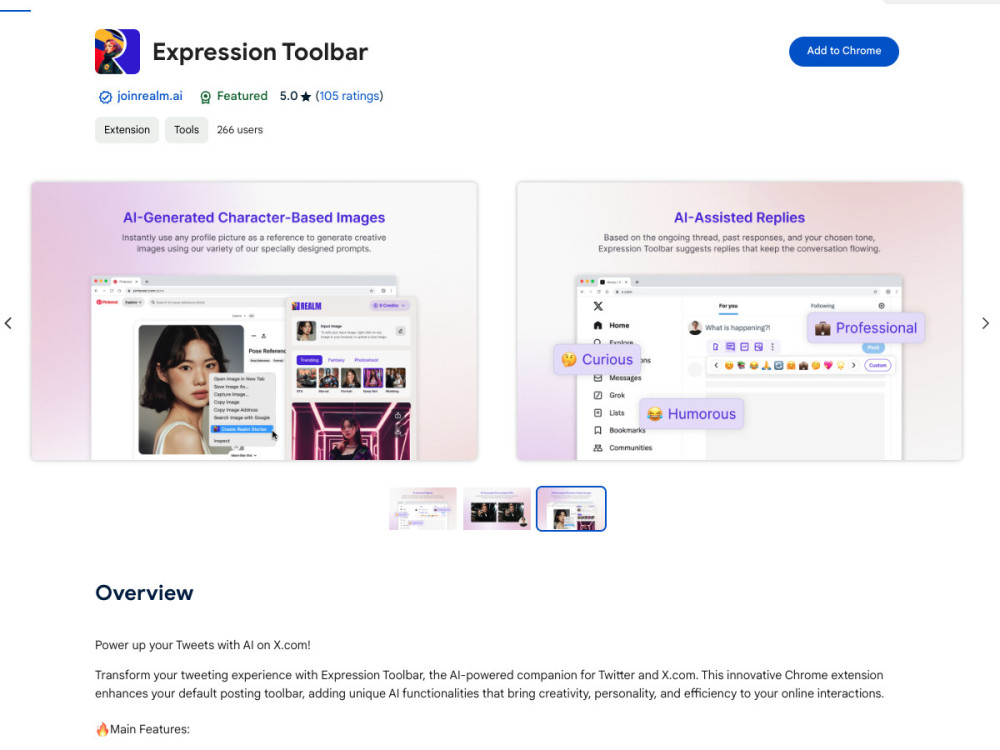
Merlin stands as a prime example of AI integration designed to elevate productivity. Its core functionality revolves around providing intelligent suggestions and automating repetitive tasks within Chrome. For example, Merlin can recommend relevant content, generate summaries, or automate email responses based on context. Its deep learning AI browser extensions algorithms understand user behavior and adapt over time, creating a personalized experience that reduces manual effort and accelerates workflow efficiency. Merlin exemplifies how AI extensions are becoming proactive assistants rather than passive tools, fundamentally shifting how we use browsers.
AIPRM, on the other hand, targets the realm of prompt management for AI models like ChatGPT, directly within browser environments. It simplifies the complex task of prompt engineering by offering a repository of pre-designed prompts, as well as tools for customizing and organizing prompts.
This is particularly useful for content creators, researchers, and marketers who regularly rely on AI to generate ideas or analyze data. AIPRM’s community-driven aspect fosters collaboration and sharing, making it not just a tool but a hub for AI-powered research and content creation. Both Merlin and AIPRM demonstrate how specialized AI extensions can cater to different segments of users—improving both creative and operational tasks through seamless Chrome integration.
Looking ahead, these extensions are likely to evolve with deeper integrations into browser ecosystems. Merlin may incorporate even more automation AI browser extensions features, leveraging emerging AI models to predict user needs proactively. AIPRM might expand its repository scope or integrate with other AI tools for multi-modal prompts including images and videos.
Together, they exemplify the potential of AI browser extensions to turn a simple browsing session into an intelligent, multi-dimensional digital experience—where tasks are simplified, insights are quicker to access, and outcomes are more refined.
Promptheus — Harnessing AI for Advanced Prompt Engineering in Chrome
Promptheus leads the charge for users interested in mastering prompt engineering directly within Chrome. Its primary function is to enhance how users craft, test, and refine prompts for language models like GPT, all without needing external tools or coding expertise. Its intuitive interface and real-time feedback make it accessible for both novices and advanced users, democratizing AI mastery. Promptheus addresses a critical bottleneck: creating effective prompts that generate accurate, relevant responses, which can often feel more like an art than a science.
What makes Promptheus a compelling extension is its focus on iterative prompt development, allowing users to tweak and optimize prompts on the fly. This capability is particularly valuable in content creation, research, and automation workflows where precision matters. Personal insights reveal that Promptheus not only saves time but also empowers users to explore AI capabilities in a more structured way, fostering deeper understanding and creativity.
As AI models evolve to become more sophisticated, the role of prompt engineering tools like Promptheus will only grow, helping users harness the full potential of AI while sitting comfortably within their browser environment. Discover how Promptheus, featured in the Best AI Directory, revolutionizes Chrome-based prompt engineering for smarter, faster AI interactions.
Furthermore, Promptheus pushes the boundaries of in-browser AI interactions, transitioning from simple question-answering to complex, multi-step prompt workflows. This shift enables advanced automation and integrated AI workflows—essential for enterprises and highly technical operations. The ability to build, test, and deploy prompts directly within Chrome bridges the gap between AI development and everyday user needs, democratizing access to AI power and encouraging innovation at every level.
Maximizing Productivity with AI Chrome Tools — A Practical Guide
AI Chrome tools are transforming how we approach daily tasks—whether it’s managing emails, conducting research, or automating routine procedures. To maximize productivity, users should strategically integrate extensions that align with their specific workflows. For instance, tools like Merlin can automate email responses, while AIPRM can streamline idea generation for content. By intelligently combining these AI browser extensions tools, users create an ecosystem where every click, search, and interaction is optimized for speed and accuracy.
Practical application involves adopting a mindset of continuous experimentation—trying different extensions and configurations to discover what accelerates individual processes. For example, setting up custom prompts within AIPRM for common research queries, or using Promptheus to streamline content drafts, can significantly reduce task durations.
Additionally, leveraging AI-driven annotations and summaries through Chrome extensions helps retain and organize information better. The key insight here is that in the age of AI Chrome tools, productivity isn’t just about working harder but working smarter by harnessing automated, intelligent support bridges between users and vast information pools.
As these tools mature, we’ll see further automation capabilities emerge—such as AI-driven scheduling, intelligent data analysis, and even predictive browsing behaviors. The most successful users will be those who regularly refine their workflows, staying updated with new extensions and features, and integrating AI tools systematically into their routines. Ultimately, AI Chrome extensions are not just supplementary—they are transforming browsers into personal digital assistants capable of managing, synthesizing, and innovating on our behalf.
Beyond Simple Search — How AI is Revolutionizing Chrome’s Functionality
Traditional browsing focused largely on searching for information and clicking through links. Today’s AI-enhanced Chrome extensions are radically shifting this paradigm by making the browser a proactive platform capable of understanding, anticipating, and responding to user intentions. This shift transforms browsing from a passive activity into a dynamic, interactive experience where AI interprets context, provides recommendations, and even completes complex tasks automatically.
The integration of AI extensions allows users to perform multifaceted activities—content generation, data analysis, and decision support—without ever leaving the browser. For example, Merlin can suggest related articles or auto-compile research summaries while AIPRM can generate tailored prompts for content development in real-time.
Such capabilities not only save time but also expand what is possible within a simple web session. The future of Chrome is no longer just about searching but about conversing with an intelligent AI browser extensions system that enhances and amplifies human skills, pushing the boundaries of digital exploration.
This technological shift is also reshaping user expectations, demanding more intelligent, context-aware extensions that adapt to individual workflows. As AI continues to integrate seamlessly into browsers, expect to see more personalized, intuitive experiences—where AI understands your goals, recommends actions, and helps execute complex tasks with minimal effort.
These advancements emphasize that the next phase of browsing is a symbiosis between human curiosity and machine intelligence—making digital navigation more fluent, insightful, and productive. Explore how AI-powered extensions are transforming browsing—and don’t forget to claim your business on our AI tools directory to boost visibility in this new intelligent web era.
The Developer’s Perspective — Building and Integrating with AI Chrome Extensions
Developing AI Chrome extensions requires a blend of expertise in AI models, user interface design, and browser architecture. From a developer’s point of view, the challenge lies in creating extensions that are not only powerful but also user-friendly and secure. Building extensions like Merlin, AIPRM, or Promptheus involves integrating APIs from large language models, optimizing real-time performance, and ensuring robust privacy protections for users. Crafting a balance between functionality and simplicity is key to gaining widespread adoption in a competitive AI browser extensions ecosystem.
Integrating AI into Chrome extensions also involves continuous iteration and feedback loops. Developers need to consider how extensions adapt to evolving AI models and user needs—requiring agile development practices, regular updates, and in-depth testing.
Additionally, ensuring compatibility across different browsers and operating systems demands careful planning and quality assurance. From a personal perspective, the opportunity to contribute to transformative tools that redefine web interaction is both challenging and rewarding; it’s about creating seamless AI experiences that empower users rather than overwhelm them.
Moreover, transparency around data handling and AI decision-making processes is paramount in maintaining user trust. Developers today are tasked with producing extensions that explain AI outputs clearly, secure user data, and comply with privacy regulations.
As AI Chrome extensions grow more sophisticated, ongoing dialogue with users, ethical coding practices, and focus on security will define the future of responsible AI integration in browsers. For developers, this landscape demands innovation, vigilance, and a deep understanding of both AI technology and user needs.
Security and Privacy Considerations when Using AI Browser Extensions
One of the most critical aspects of integrating AI browser extensions into daily workflows is understanding the security and privacy implications. As these AI browser extensions AI browser extensionstools often process sensitive information—including personal data, confidential emails, or proprietary research—the potential for misuse or data leaks cannot be ignored. Ensuring that extensions follow strict security protocols, such as end-to-end encryption and transparent data policies, is vital for safeguarding user trust and legal compliance.
From a personal perspective, the allure of AI browser extensions must be balanced with vigilant privacy practices. Users should vet extensions rigorously—checking permissions, reading privacy policies, and opting for open-source options where possible.
Moreover, developers have a responsibility to build trustworthy extensions by implementing privacy-by-design principles and minimizing data collection. As AI’s capabilities grow, the risk of malicious use or unintended data exposure also increases, underscoring the importance of ongoing monitoring, regular updates, and community oversight.
Looking forward, the industry must prioritize establishing standardized privacy frameworks for AI browser extensions—similar to GDPR or CCPA—ensuring that user rights are protected even as AI capabilities expand. Collaboration between browser vendors, AI developers, and security experts will create safer ecosystems where innovation thrives without compromising integrity. For users, staying informed and cautious is essential, reinforcing that responsible use of AI Chrome tools depends on mutual diligence and transparent practices.
AI Chrome Tools for Content Creation — Unleashing Creativity on the Web
AI-powered Chrome extensions are revolutionizing content creation by democratising access to advanced tools for writing, editing, and multimedia production. Whether it’s generating blog posts, marketing copy, or social media content, these tools provide real-time suggestions, language adaptation, and visual enhancements that amplify creativity. The AI browser extensions integration within Chrome ensures creators can work fluently across platforms and devices without disruptions, fostering a seamless creative experience.
From a personal perspective, AI Chrome tools transform the creative process from a slow, manual effort into an agile, collaborative workflow. For example, Promptheus can assist in refining prompts for artistic AI models, while Merlin can suggest enhancements or alternate phrasing for written content. Such functionalities dramatically decrease content development time, allowing creators to focus more on strategic thinking and storytelling. As these tools continue to evolve, we can anticipate even more sophisticated integrations—such as AI-powered video editing, design, and interactive content generation—all accessible within the browser environment.
Looking ahead, the synergy between AI, browser tech, and content creators promises a new era of digital artistry where AI acts as a co-creator. This democratization means that professionals and amateurs alike can produce high-quality content with minimal barriers, democratizing creative expression globally. The challenge will be to ensure ethical use, copyright respect, and originality, but the potential for AI browser extensions innovation is vast—making AI Chrome tools indispensable in the future of digital storytelling.
Future Trends in AI-Driven Browser Extension Technology
The trajectory of AI browser extensions points toward increasingly intelligent, context-aware, and versatile tools that seamlessly integrate into every aspect of our digital lives. Expect advancements in multi-modal AI—combining text, images, and voice—to create more immersive browsing experiences where user intent is understood holistically.
These AI browser extensions trends will likely usher in a new ecosystem of extensions that proactively assist with complex tasks, personalized recommendations, and automated workflows, turning browsers into indispensable AI-powered assistants.
From my perspective, future developments will also emphasize personalization—where AI learns individual preferences over time to provide tailored insights and suggestions. As extensions become more secure and privacy-centric, the balance between powerful AI capabilities and data protection will define industry standards.
Moreover, the integration of emerging technologies like Web3, decentralized AI, and edge computing will further extend the reach and functionality of AI Chrome tools, fostering open innovation and community-driven development. Ultimately, this evolution points toward a future where browsing is less about searching and more about interacting, creating, and collaborating with intelligent systems—making our online experiences richer, faster, and more intuitive.
Relevant Reads:
AI Tools Directory: Guide to Top Artificial Intelligence Solutions
AI Note Taking Apps – Transforming Knowledge Management | Advanced AI Solutions
Conclusion
AI browser extensions like Merlin, AIPRM, and Promptheus represent a transformative step in how we navigate and utilize the web, elevating traditional browsing into a smarter, more productive experience. These tools exemplify the rapid AI browser extensions integration of artificial intelligence into our daily digital routines, offering automated workflows, advanced content creation, prompt engineering, and personalized insights—all within the familiar environment of Chrome.
As these AI browser extensions technologies develop, their focus on security, privacy, and user-centric design will be crucial to fostering trust and widespread adoption. The future of AI Chrome tools promises an era of highly intuitive, context-aware extensions that seamlessly augment human capabilities, making browsing more efficient, creative, and engaging than ever before.