


How Business Process Automation Software Transforms Operations
- ClickUp
- October 17, 2025
- No Comments
The need for efficiency, accuracy, and agility has never been more critical. This is where business process automation software comes into play. By leveraging cutting-edge technology to streamline operations, reduce manual errors, and free up valuable human resources, organizations are transforming their workflows and gaining a significant competitive edge.
Whether you are a small startup or an enterprise giant, selecting the right Workflow automation software can be a game-changer in achieving operational excellence and strategic growth.
Selecting the Right Business Process Automation Software: A Comprehensive Guide
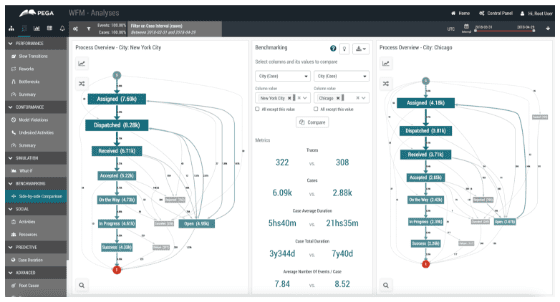
Choosing the appropriate business process automation software requires a nuanced understanding of your organization’s unique needs and goals. Start by assessing the existing workflows to identify bottlenecks, repetitive tasks, and areas ripe for automation.
A tailored solution should align with your strategic objectives, integrate seamlessly with current systems, and be scalable to grow with your business. Additionally, consider vendor reputation, ease of use, customization options, and the quality of customer support. It’s essential to involve key stakeholders across departments to ensure the chosen software addresses diverse operational pain points comprehensively.
Beyond technical specifications, the decision should factor in cultural readiness and employee acceptance. Change management is often underestimated, yet it’s crucial for successful implementation. Engage your team early in the process by demonstrating how automation can reduce frustrations and add value to their roles.
Remember, the goal of business process automation software is not just digitization, but meaningful transformation—enhancing productivity, accuracy, and overall organizational agility. A thorough evaluation process reduces the risk of future setbacks and ensures that your investment yields maximum benefits.
The ROI of Business Process Automation: Quantifying the Benefits for Your Organization

The tangible benefits of business process automation software extend well beyond simple time savings. Organizations can realize significant cost reductions through decreased manual labor, minimized errors, and optimized resource allocation. Many businesses report rapid return on investment (ROI), often within months of deployment, as automated workflows eliminate redundancies and improve throughput. Additionally, automation empowers employees to shift focus from mundane tasks to higher-value activities, fostering greater innovation and job satisfaction.
Measuring ROI involves tracking specific KPIs such as cycle times, error rates, employee productivity, and customer satisfaction scores. Furthermore, automation can contribute to compliance and audit readiness by maintaining accurate, real-time records.
A well-implemented BPA system provides real evidence of its impact, enabling continuous improvements based on data-driven insights. Ultimately, the financial and operational advantages of business process automation software translate into stronger competitive positioning, scalability, and resilience in a dynamically changing marketplace.
Beyond Efficiency: How BPA Software Drives Strategic Growth
While improving efficiency is a primary motivation, business process automation software also unlocks opportunities for strategic growth. It enables fast adaptation to market changes, supports data-driven decision-making, and facilitates the onboarding of new products and services. Automation tools can provide real-time analytics and forecasting capabilities, empowering leadership with the insights needed to seize emerging opportunities swiftly.
Furthermore, BPA fosters innovation by freeing up creative and strategic thinking from routine tasks. Organizations can leverage automation to explore new business models, expand into new markets, and enhance customer engagement strategies.
By embedding automation into core processes, businesses become more resilient, agile, and capable of sustained growth. Ultimately, BPA is not just an operational enhancement but a strategic investment that positions a company as a forward-thinking leader in its industry.
Key Features to Look for in Business Process Automation Software
When evaluating business process automation software, certain features stand out as essential for maximizing value. First, ease of integration with existing systems ensures a smooth transition without disrupting ongoing operations. Look for robust workflow design capabilities that allow customization to match specific processes, as well as scalability features for future growth. Automation tools should offer real-time monitoring and reporting, providing transparency and control over ongoing activities.
Another critical feature involves user interface and experience; intuitive platforms reduce training time and increase adoption rates. Also, security functionalities such as role-based access and audit trails are vital to protect sensitive data and meet compliance standards.
Advanced capabilities like AI-driven decision-making, natural language processing, and predictive analytics can further enhance automation potential. Overall, selecting software that combines flexibility, robustness, and user-centric design will ensure long-term success.
Top Business Process Automation Software Platforms: A Comparative Analysis
The landscape of business process automation software is crowded with innovative platforms each offering distinctive features. Tools like UiPath, Automation Anywhere, and Blue Prism excel in robotic process automation (RPA), catering to complex process automation needs across industries.
Conversely, options like Zapier, Microsoft Power Automate, and HubSpot are favored for their user-friendly interfaces and quick deployment, particularly in SMBs. A comparative analysis reveals that enterprise-grade platforms often prioritize scalability, security, and integration options, while smaller solutions focus on simplicity and affordability.
Evaluating these platforms involves examining their support communities, extensibility, and licensing models. UiPath and Automation Anywhere tend to be favored for extensive automation capabilities and advanced AI integration—ideal for large organizations with complex workflows.
Meanwhile, platforms like Power Automate and Zapier promote ease of use for less technical users, enabling rapid automation of common tasks. The best fit ultimately depends on your organizational needs, budget, and desired level of sophistication.
Implementing Business Process Automation: Avoiding Common Pitfalls
Successful execution of business process automation software hinges on strategic planning and change management. One common pitfall is underestimating the complexity of existing processes, leading to poorly designed automations that create bottlenecks instead of solving them. Comprehensive process mapping and analysis are essential before implementation, ensuring that automations align with realistic workflows.
Another mistake involves neglecting employee training and engagement—resistance to change can derail even the most promising automation initiatives.
Communication and phased implementation can mitigate risks associated with automation rollouts. Starting with pilot projects helps identify unforeseen issues early, allowing for adjustments before broader deployment. It’s also important to establish clear governance, assign ownership, and track success metrics.
Post-implementation, ongoing evaluation and iteration ensure that the automation continues to deliver value and adapts to evolving business needs. In essence, careful planning, effective change management, and continuous improvement are key to avoiding pitfalls and unlocking the full potential of business process automation software.
The Future of Work: How Automation is Transforming Business Processes

Automation is fundamentally reshaping the nature of work by shifting organizational focus from manual task execution to strategic and creative endeavors. As business process automation software becomes more intelligent, incorporating AI and machine learning, its scope extends beyond rule-based tasks toward cognitive functions like decision-making, customer interactions, and predictive analytics.
This evolution leads to more personalized customer experiences, faster response times, and increased operational agility.
The future of work will involve humans collaborating closely with automated systems, leveraging their unique problem-solving and emotional intelligence skills. Automation will also democratize data access, empowering employees at all levels to make proactive, informed decisions.
Businesses that embrace this transformation will develop more resilient and innovative cultures capable of thriving amid rapid technological change. Ultimately, automation is not a threat but an opportunity to redefine productivity, worker satisfaction, and strategic success in the modern enterprise.
Business Process Automation for Small Businesses: Streamlining Operations on a Budget
For small businesses, business process automation software offers an affordable way to compete with larger organizations by optimizing limited resources. Cloud-based platforms like Zapier, Trello, and Airtable provide scalable automation solutions without heavy upfront investments. These tools enable small teams to automate customer follow-ups, invoicing, inventory management, and even social media posting, transforming their everyday operations into more efficient and manageable processes.
Despite budget constraints, small businesses should prioritize automation features that directly impact revenue and customer satisfaction. Implementing automation incrementally—starting with high-impact, low-cost projects—allows for real-world validation and team adaptation. As the business grows, additional functionalities can be integrated seamlessly.
Small businesses that leverage business process automation software effectively can reduce operational costs, improve service delivery, and position themselves for scalable growth without the need for large-scale infrastructure or dedicated automation teams.
Enhancing Customer Experience Through Business Process Automation
Great customer experience hinges on speed, accuracy, and personalization—all of which can be significantly enhanced through business process automation software. Automating routine customer communications, order processing, and feedback collection reduces wait times and ensures consistency across touchpoints. Moreover, sophisticated automation systems like ClickUp equipped with AI can analyze customer data to predict needs, tailor interactions, and resolve issues proactively, fostering loyalty and satisfaction.
In addition, automation’s ability to deliver seamless, timely responses frees up human agents to handle complex or emotional scenarios, adding a personal touch where it matters most. Empowering frontline staff with real-time insights from automated systems enables faster problem resolution and personalized service.
As customer expectations continue to rise, organizations leveraging automation to deepen engagement and streamline interactions will stand out in competitive markets, ultimately turning satisfied customers into brand advocates.
Security Considerations When Choosing Business Process Automation Software
As organizations increasingly depend on business process automation software, maintaining security and compliance becomes paramount. Automation systems often handle sensitive data, making them attractive targets for cyber threats.
Choosing platforms with robust security features—such as encryption, role-based access control, audit logs, and regular compliance updates—is critical. Moreover, vendor transparency and adherence to industry standards like GDPR, HIPAA, or ISO certifications demonstrate a commitment to safeguarding data.
Another essential aspect is establishing internal security protocols for deployment, including user training, access permissions, and periodic audits. Integrating security at every stage of implementation minimizes vulnerabilities and ensures regulatory compliance.
In the evolving landscape of cyber threats, organizations must continuously evaluate and upgrade their security posture around automation solutions to protect their assets, customer trust, and brand reputation. Prioritizing security not only mitigates risks but also supports sustainable, long-term automation success.
Relevant Reads:
Project Management Software in 2025: An In-Depth Exploration
Workflow Management Tools: Features, Benefits, and Top Picks
Conclusion
Business process automation software represents a transformative tool for organizations looking to optimize operations, reduce costs, and foster strategic growth. From selecting the right platform through comprehensive evaluation to implementing automation with careful planning, the journey requires attention to detail, cultural alignment, and ongoing evaluation.
The benefits—measured in ROI, efficiency, customer satisfaction, and agility—far outweigh the challenges, especially as technology continues to evolve and redefine how work is done. As automation becomes integral to business success, forward-thinking companies embracing these tools will gain increased competitiveness, resilience, and capacity for innovation in an ever-changing marketplace.