


Free Project Management Tools You Should Be Using Right Now
- ClickUp
- October 22, 2025
- No Comments
Effective project management is crucial for success. As organizations seek to streamline workflows, enhance collaboration, and keep costs under control, free project management tools have become invaluable. These platforms offer a cost-effective way to organize tasks, track progress, and foster team communication without the need for substantial financial investment.
Whether you’re a small startup, a non-profit organization, or a growing team within a larger company, leveraging project management apps for teams can transform the way you approach projects — offering simplicity, flexibility, and powerful features at no cost.
This comprehensive guide aims to explore the landscape of free project management tools, helping you navigate options, understand key features, and deploy solutions effectively. From identifying the right tools for small businesses to understanding their limitations, we’ll delve into practical insights, strategic considerations, and innovative ways to maximize productivity with cost-effective software tailored to your needs.
Navigating the Landscape of No-Cost Project Management Solutions
The array of free project management tools available today is extensive, reflecting the diverse needs of users across various industries and organizational sizes. Some platforms are designed with beginner-friendly interfaces suitable for simple task tracking, while others offer robust features comparable to premium solutions. Navigating this landscape requires clear understanding of your team’s specific needs, such as task organization, collaboration capabilities, file sharing, or integration with other software systems.
One challenge in choosing free project management tools is assessing their long-term viability—many free solutions are supported by premium tiers, limited features, or advertising, which may influence your decision. It’s essential to consider not just the immediate benefits but also the platform’s scalability, user-friendliness, security, and community support. Given the dynamic nature of technology, staying informed about updates, user feedback, and platform integrations will ensure that your choice aligns well with evolving project demands.
Key Features to Consider in Free Project Management Software

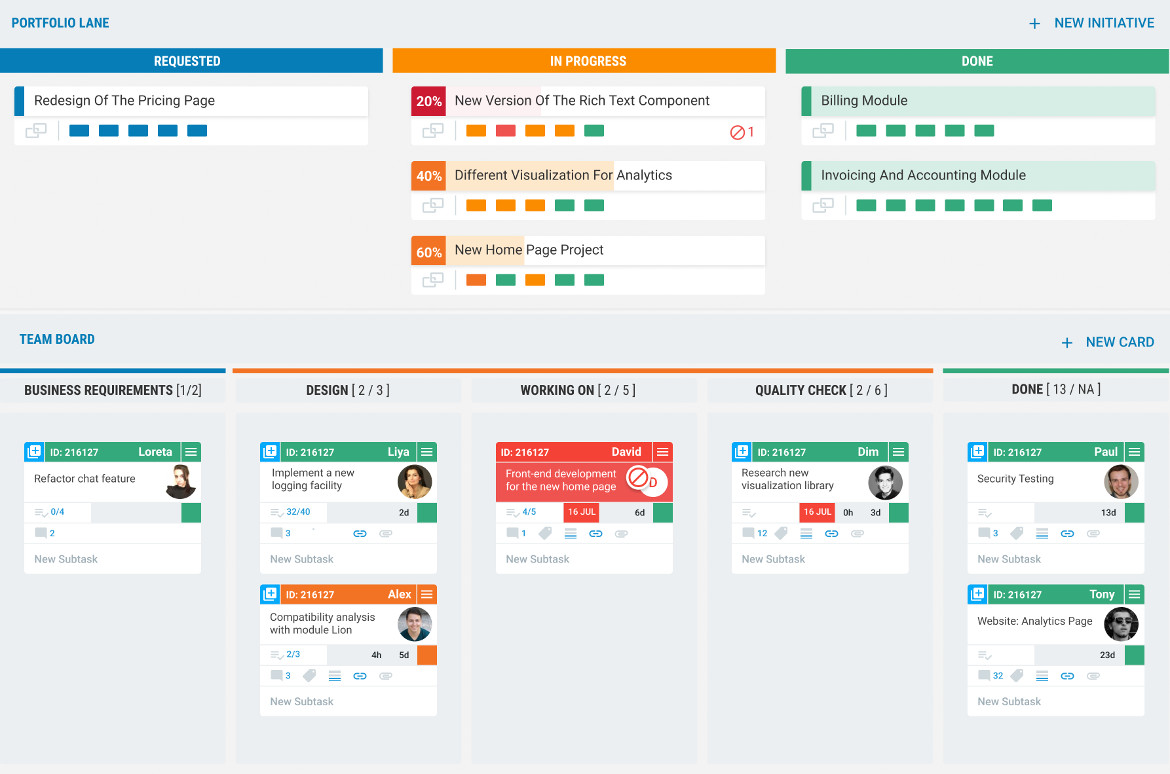
Before committing to a particular free project management tool, it’s vital to understand the core features that determine its effectiveness. At a minimum, the platform should facilitate task creation, assign responsibilities, set deadlines, and track progress with visual aids like Kanban boards or Gantt charts. Collaboration features, such as real-time commenting and file sharing, are equally critical for maintaining team cohesion.
Beyond basic functionalities, look for additional capabilities that align with your workflow. These may include time tracking, automation of recurring tasks, integrations with communication tools like Slack or email, and reporting features. Many free tools offer a tiered approach, where essential features are free, and more advanced options require a paid upgrade. Understanding these nuances helps you select a free project management platform that provides value today and can adapt as your needs grow.
Top Free Project Management Tools for Small Businesses
For small businesses, budget constraints often limit the ability to adopt expensive enterprise software, making free project management tools an attractive option. Popular options like Trello, Asana, ClickUp, and Notion have free plans that cater to teams with straightforward project workflows. Trello’s card-based system excels in visual task management, while Asana offers comprehensive task tracking and list-based workflows suitable for projects requiring detailed step-by-step progress.
Notion, with its customizable pages and databases, provides a flexible environment for managing projects, documents, and knowledge bases all in one interface. ClickUp combines task management, document sharing, and goal tracking, making it a versatile choice for small teams seeking an all-in-one platform. While each has limitations on data storage, team size, or advanced features in free versions, these tools collectively offer a solid foundation for managing small projects efficiently without incurring costs.
Collaborative Workflows: Leveraging Free Tools for Team Synergy
Effective collaboration is at the heart of successful project management, and free project management tools often excel in facilitating team synergy. Platforms like Slack integrations, real-time notifications, commenting, and shared calendars empower team members to stay aligned regardless of geographical location. The ability to centralize discussions, documents, and task updates streamlines communication flows, reducing misalignments and increasing responsiveness.
Moreover, these tools support diverse workflows—whether Agile, Scrum, Kanban, or traditional waterfall—allowing teams to adapt based on their preferred methodology. By leveraging these features, teams can foster transparency, accountability, and engagement without additional costs, helping organizations cultivate a collaborative culture that drives project success and innovation.
Task Management and Scheduling with Complimentary Software
Task management is the backbone of project execution, and free project management tools often include features that simplify planning and scheduling. Visual tools like Kanban boards and task lists enable teams to prioritize, assign, and monitor work effectively. Some platforms integrate calendar views, allowing for clear visualization of deadlines and resource allocation, which enhances scheduling accuracy.
Additionally, many free tools support automation for recurring tasks, reminders, and updates, reducing manual intervention and minimizing human error. Whether managing daily operational tasks or long-term milestones, utilizing these free scheduling features helps maintain momentum, foster accountability, and ensure that project timelines are met—all while respecting budget constraints.
Evaluating the Limitations and Scalability of Free Project Management Platforms
While free project management tools offer numerous benefits, they come with inherent limitations that organizations must recognize. Common constraints include limited storage capacity, restricted team size, fewer integrations, and basic reporting functionalities. These restrictions may hinder growth or complex project management needs, prompting a reassessment of software choice as your organization scales.
Scalability is a vital consideration—what works for a team of five may not suffice for fifty or more. Some platforms compensate by offering paid tiers with enhanced capabilities, but transitioning can be disruptive. Therefore, it’s crucial to evaluate not only current features but also the potential need for upgrades, data migration, and vendor support. Planning this strategic assessment ensures that your free project management tools serve as an effective stepping stone rather than a bottleneck.
Best Practices for Implementing and Utilizing Free Project Management Tools
Adopting free project management tools effectively requires deliberate planning and user training. Begin by clearly defining your project goals, workflows, and team roles to customize the platform accordingly. Involving team members in the selection process fosters buy-in and ensures the tools chosen align with actual working habits. Regular training sessions and clear documentation facilitate adoption, preventing underutilization of features.
Another ClickUP best practice is establishing a routine for updating project statuses, reviewing progress, and conducting retrospective meetings. This momentum sustains engagement and maximizes the utility of the platform. Moreover, implementing governance policies around data management, access controls, and security helps mitigate risks. When approached thoughtfully, free project management tools transform from simple task organizers into strategic assets that drive productivity and organizational growth.
Beyond the Basics: Advanced Functionality in Free Project Management
Some free project management tools push beyond core functionalities, offering advanced features such as Gantt chart visualization, time tracking, goal setting, and integrations with third-party applications. Tools like ClickUp and Notion, for instance, enable customization with templates, automation, and collaborative documents, resembling more comprehensive project suites.
Leveraging these advanced features can significantly boost productivity, especially when teams need to coordinate complex tasks, manage dependencies, or analyze project metrics. However, utilizing these capabilities requires a learning curve and strategic planning to ensure they truly augment your workflow. When harnessed effectively, these advanced functionalities make free platforms not just simple task managers but sophisticated environments capable of supporting dynamic, large-scale projects.
Relevant Reads:
Project Management Software in 2025: An In-Depth Exploration
Project Management Software Cost Comparison: Find the Best Value
Conclusion
Maximizing productivity with free project management tools involves understanding their features, strengths, and limitations, and aligning them strategically with your organization’s goals. As technology evolves, these tools continue to offer increasingly robust functionalities without the financial burden, making them indispensable for small teams and cost-conscious organizations.
Recognizing the importance of thoughtful implementation, user engagement, and scalability planning can transform these free solutions into powerful catalysts for successful project execution, fostering collaboration, efficiency, and innovation across your enterprise.