



Machine Learning Project Management Tips for Data Teams
- ClickUp
- October 18, 2025
- No Comments
Machine learning project management plays a crucial role in transforming innovative ideas into real-world solutions. It involves overseeing the entire lifecycle of a machine learning initiative—from planning and data collection to deployment and monitoring—ensuring that the project stays on track, within budget, and aligned with organizational goals.
As machine learning becomes more embedded in diverse industries, mastering effective project management strategies becomes essential for maximizing ROI, maintaining quality, and fostering collaboration among multidisciplinary teams.
In this comprehensive guide, we explore the core aspects of AI project management, providing insights into managing complexities, leveraging agile methodologies, defining success metrics, and utilizing best tools. Whether you’re a data scientist, project manager, or executive, understanding how to navigate the nuances of machine learning projects will help you deliver impactful solutions efficiently and sustainably.
Effective Project Management Strategies for Machine Learning Initiatives
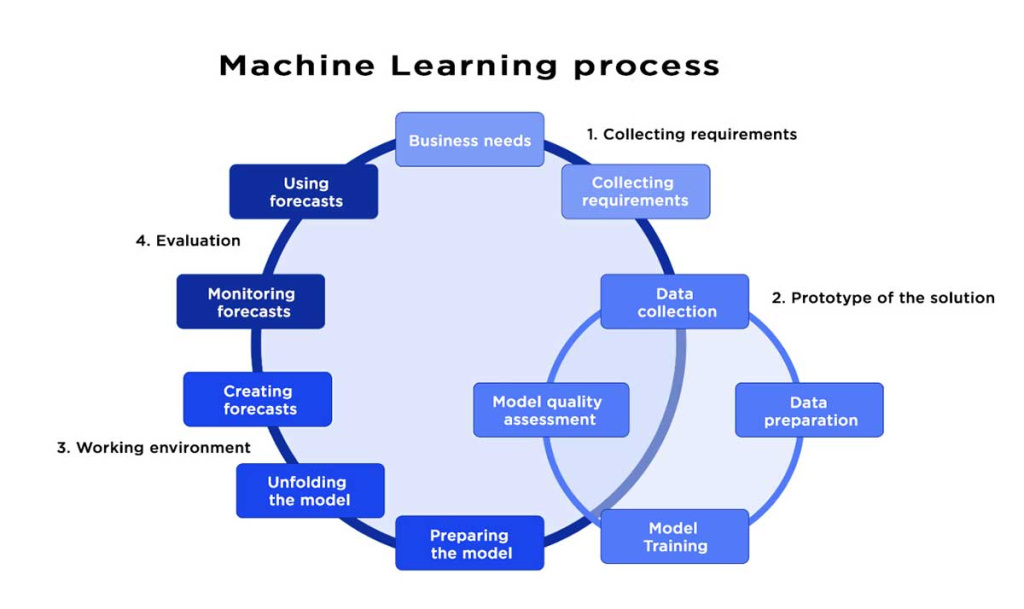
Managing machine learning projects requires a strategic balance of technical expertise, organizational alignment, and flexible planning. One effective approach involves breaking down the project into iterative phases: data preparation, model development, validation, deployment, and maintenance. This phased approach allows teams to identify bottlenecks early, adapt to data or model changes, and incorporate stakeholder feedback progressively. Additionally, establishing clear objectives, timelines, and success criteria at each stage helps to keep the project focused and measurable.
Successful machine learning project management also emphasizes fostering cross-functional collaboration. Since msolutions span data engineering, development, and business domains, integrating diverse teams ensures that technical solutions align with operational needs. Regular communication, transparent progress tracking, and adaptive planning enable teams to respond swiftly to unforeseen challenges—such as data quality issues or shifting project scopes—ultimately increasing the likelihood of project success.
Challenges and Solutions in Managing Machine Learning Projects

One of the most significant challenges in machine learning project management is dealing with the unpredictability of data quality and model performance. Data can be noisy, incomplete, or biased, leading models to underperform or produce unreliable results. To combat this, implementing rigorous data governance policies, continuous validation processes, and iterative testing becomes crucial. Setting up clear protocols for data versioning and provenance also ensures reproducibility and accountability throughout the project lifecycle.
Resource constraints and skill gaps pose additional hurdles. Machine learning projects require specialized expertise, which is often scarce or distributed across different departments. Investing in ongoing training, cultivating a culture of experimentation, and leveraging automation tools can mitigate these issues. Employing an incremental delivery approach allows teams to demonstrate early value, secure stakeholder buy-in, and allocate resources more strategically based on project maturity and feedback.
The Agile Approach to Machine Learning Project Management
Applying agile principles to machine learning project management fosters adaptability and continuous improvement. Instead of rigid, linear workflows, agile methodologies embrace rapid iteration, frequent releases, and regular retrospectives. This Machine learning project management approach encourages teams to experiment with different models, incorporate stakeholder feedback swiftly, and pivot based on empirical results. In complex machine learning projects, agility helps teams manage uncertainty and reduce the risk of delivering an obsolete or unviable solution.
Furthermore, integrating tools like Scrum or Kanban can enhance transparency and accountability. Short sprints incentivize focused efforts on manageable tasks, keep progress visible, and facilitate quick responses to issues. Critical to this approach is maintaining an ongoing dialogue between data scientists, engineers, and business stakeholders—aligning technical development with strategic goals and ensuring timely course corrections.
Defining Success: Key Performance Indicators for Machine Learning Projects
Setting clear Key Performance Indicators (KPIs) is fundamental to evaluating the performance and impact of Machine learning project management. Traditional KPIs, such as accuracy or precision, provide technical benchmarks but may not fully capture the business value. Incorporating metrics like ROI, customer satisfaction, or operational efficiency helps align project outcomes with organizational objectives. Establishing these indicators early provides a roadmap for success and allows for objective assessment throughout the project lifecycle.
Beyond quantitative measures, qualitative factors—such as user adoption, model interpretability, and ethical considerations—are equally vital. Emphasizing continuous monitoring and post-deployment evaluation facilitates ongoing improvements and ensures the solution remains relevant amid changing data environments. Effective KPI management encourages a results-driven culture while fostering responsibility and innovation within the team.
Resource Allocation and Team Management in Machine Learning Projects
Efficient resource allocation involves not only funding, hardware, and data but also human capital. Building a balanced team with diverse skill sets—including domain experts, data engineers, ML engineers, and project managers—maximizes the likelihood of success. It’s essential to recognize the importance of domain knowledge and technical fluency, ensuring that team members communicate effectively and understand project context. Cross-training and collaborative workshops can break silos, fostering a cohesive environment conducive to creative problem-solving.
Strategic management also involves flexible resource allocation. As projects progress and challenges emerge, reallocating talent or tools can address critical bottlenecks. Implementing Machine learning project management resource forecasting models and setting contingency plans help manage uncertainties. Maintaining agility in team structure and processes ensures that projects adapt to evolving needs while optimizing productivity and morale.
Risk Management in Machine Learning Project Development
Risks in machine learning project management are multifaceted, encompassing data security, ethical considerations, model bias, and operational disruptions. Implementing proactive risk management involves identifying potential issues early through comprehensive impact assessments and stakeholder consultations. Establishing governance frameworks that address privacy regulations, data bias mitigation, and auditability ensures responsible AI development and aligns with corporate compliance standards.
Furthermore, developing contingency plans for model failure or unexpected data shifts minimizes project disruptions. Employing techniques such as model explainability, fairness audits, and stress testing enhances transparency and trustworthiness. Continual monitoring during deployment enables teams to detect drift or degrading performance swiftly, allowing for timely interventions that safeguard the project’s viability and organizational reputation.
Data Governance and Management in Machine Learning Projects
Data is the cornerstone of machine learning project management; thus, establishing robust data governance frameworks is imperative. Clear policies for data quality, access control, and lifecycle management ensure accurate, secure, and compliant use of data assets. Standardizing data ingestion, annotation, and versioning processes reduces inconsistencies and promotes reproducibility. Incorporating metadata and lineage tracking enhances transparency when auditing models or addressing issues post-deployment.
Effective data management fosters trust among stakeholders and prevents costly errors. Investing in scalable storage solutions, automation for cleaning and validation, and privacy-preserving techniques like anonymization and federated learning helps organizations adhere to regulatory standards while leveraging data insights. Well-governed data pipelines streamline workflows, facilitate collaboration, and lay a strong foundation for reliable machine learning solutions.
Tools and Technologies for Streamlining Machine Learning Project Management
Leveraging the right tools is vital for machine learning project management efficiency. Platforms like MLflow, Kubeflow, and Airflow enable seamless tracking, deployment, and orchestration of models and workflows. These tools facilitate version control, experiment tracking, and automation, reducing manual effort and minimizing errors. Collaborative environments like Jupyter, GitHub, and data visualization dashboards foster transparency and collective problem-solving.
Emerging technologies such as AutoML and platform-as-a-service (PaaS) solutions empower teams to accelerate experimentation and deployment. Integrating project management tools like Jira or Asana with ML-specific platforms ensures that deliverables and milestones are tracked systematically. The strategic adoption of these tools not only enhances productivity but also improves reproducibility, compliance, and knowledge sharing within the team.
Bridging the Gap: Communication and Collaboration in Machine Learning Project Teams
Effective communication is a linchpin in machine learning project management, especially given the interdisciplinary nature of these initiatives. Establishing a common vocabulary and shared understanding among data scientists, engineers, and business stakeholders minimizes misalignments. Regular stand-ups, demos, and feedback sessions keep everyone informed about progress, obstacles, and shifting priorities. Empathy and active listening are essential to ensure team cohesion and that concerns are addressed promptly.
Collaboration tools like ClickUp, Slack, Teams, and shared document platforms support real-time interaction and knowledge sharing. Encouraging a culture of openness, experimentation, and continuous learning fosters innovation and resilience. Bridging the communication gap ultimately enhances stakeholder confidence, accelerates decision-making, and promotes sustainable project momentum.
Future Trends in Machine Learning Project Management
The landscape of machine learning project management is continuously evolving, driven by technological advancements and organizational shifts. Increasing adoption of automated tools and AutoML is reducing the entry barrier for deploying sophisticated models, but also raises new challenges in governance and oversight. As AI models become more complex and integrated into critical systems, standards around explainability, ethics, and accountability will become more prominent, requiring managers to adopt proactive governance strategies.
Emerging trends such as MLOps—combining machine learning with DevOps principles—are transforming how projects are scaled and maintained in production environments. The integration of AI governance frameworks, ethical AI principles, and real-time monitoring tools will shape future best practices. Adaptive project management methodologies that incorporate AI-specific risk assessments and stakeholder engagement will be crucial in navigating this dynamic landscape, ensuring that machine learning initiatives are sustainable, responsible, and impactful.
Relevant Reads:
Project Management Software in 2025: An In-Depth Exploration
How AI Collaboration Assistants Transform Remote Work
Conclusion
Effective machine learning project management encompasses strategic planning, agility, rigorous risk mitigation, and seamless collaboration to navigate the inherent complexities of deploying AI solutions. From addressing data quality challenges and resource constraints to leveraging advanced tools and embracing evolving methodologies, managing these initiatives requires a holistic approach. As technology advances and organizational adoption accelerates, adapting to future trends and fostering a culture of continuous improvement and transparency will be vital for delivering impactful, ethical, and sustainable machine learning solutions.