


PDF Editors for Educators: Revolutionizing Grading and Feedback
- Foxit PDF Editor PDF Editor
- October 8, 2025
- No Comments
PDF editors for educators, grading and commenting on PDFs are transforming traditional teaching methodologies into more efficient, interactive, and data-driven practices. These tools enable educators to streamline grading workflows, provide personalized feedback, and facilitate seamless collaboration—all within a secure and accessible digital environment.
As the landscape of education continues to evolve with technology, understanding the capabilities and advantages of cutting-edge PDF editing solutions becomes essential for educators striving to enhance student outcomes while managing workload more effectively.
The Role of PDF Editors for Educators
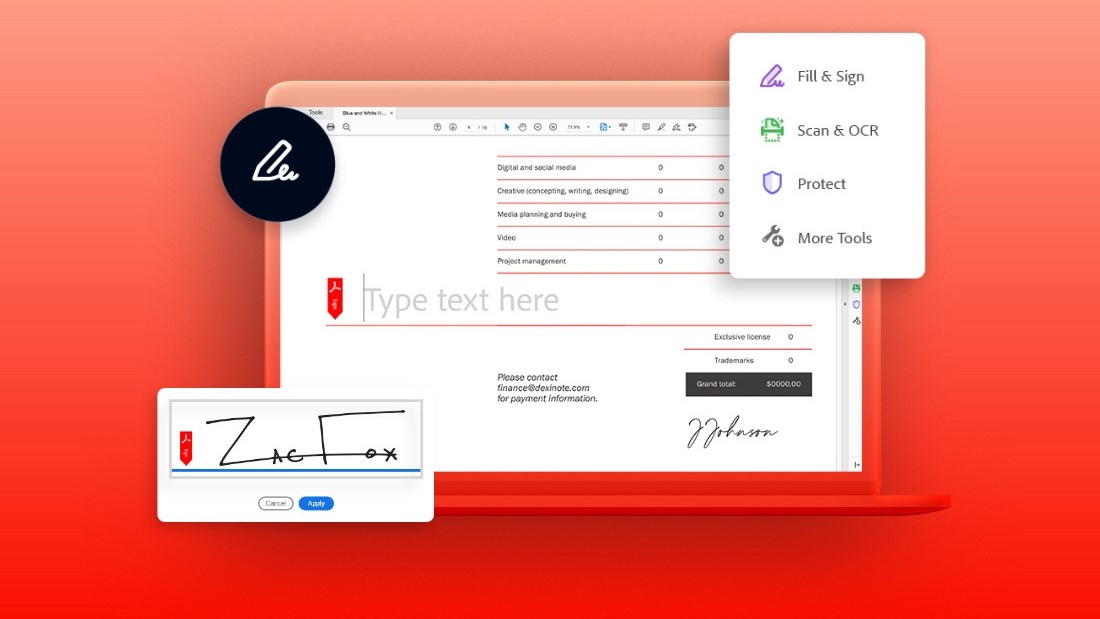
Digital tools like PDF editors for educators are revolutionizing educational practices by replacing paper-based assessments with more dynamic electronic solutions. They empower educators to annotate, grade, and comment directly on student submissions, ensuring instant and precise feedback. Beyond simple annotations, these editors support features such as digital signatures, form filling, and multimedia integration, which heighten engagement and provide diverse ways for teachers to communicate with students.
Moreover, PDF editors for educators are instrumental in establishing a more equitable learning environment. Students and teachers can access, review, and resubmit work from any device, anytime and anywhere. This flexibility not only facilitates continuous learning outside traditional classroom hours but also fosters inclusivity, as digital feedback can be tailored to meet individual needs more effectively. As such, PDF editing software is truly a catalyst for modernizing educational processes.
PDF Editors: Streamlining Grading Workflows for Educators
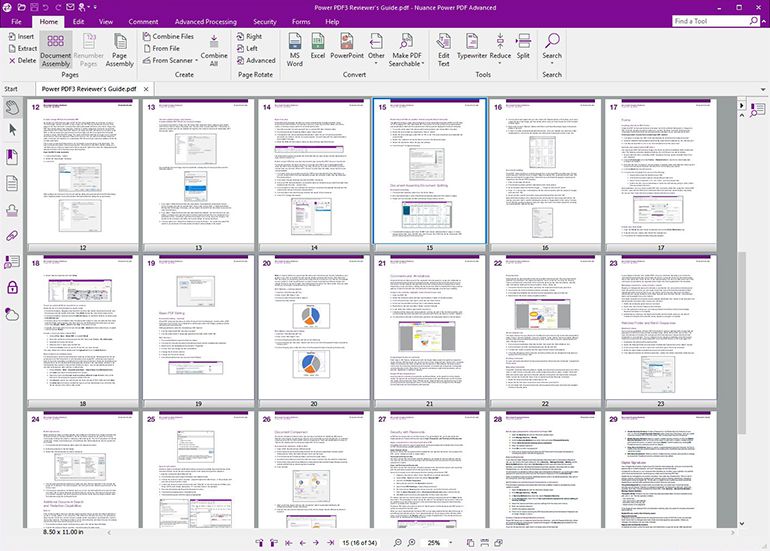
Traditional grading methods are often time-consuming and prone to errors, especially with the increasing volume of student work. PDF editors for educators dramatically streamline these workflows by enabling batch processing, automatic grading annotations, and efficient organization of student submissions. Educators can create reusable feedback templates, reducing repetitive tasks and ensuring consistency in grading standards.
Personalized feedback is crucial for student growth, and PDF editors facilitate this seamlessly through tools like sticky notes, highlights, and comments. Educators can quickly switch between student papers, provide specific suggestions, and track progress over time—all within a unified platform. Additionally, integrations with Learning Management Systems (LMS) and other educational tools ensure that grading workflows are smooth, data secure, and transparent—saving teachers both time and effort.
Annotation and Feedback: Enhancing Student Learning with PDF Editors
Effective feedback is at the heart of meaningful learning, and PDF editors for educators have elevated this process by allowing educators to annotate directly on student work with precision. Whether highlighting grammatical errors, adding textual comments, or embedding multimedia elements like audio notes, teachers can deliver rich, contextual feedback that guides students more effectively than traditional pen-and-paper methods.
From a pedagogical perspective, immediate and detailed feedback fosters a growth mindset and encourages ongoing student engagement. With PDF editors for educators features like color-coded comments, rubrics, and interactive checklists, educators can tailor their feedback to individual learning styles and objectives. This personalized approach not only clarifies misunderstandings but also motivates students to take ownership of their learning process, ultimately promoting higher achievement.
Top PDF Editor Features for Grading and Commenting in Education
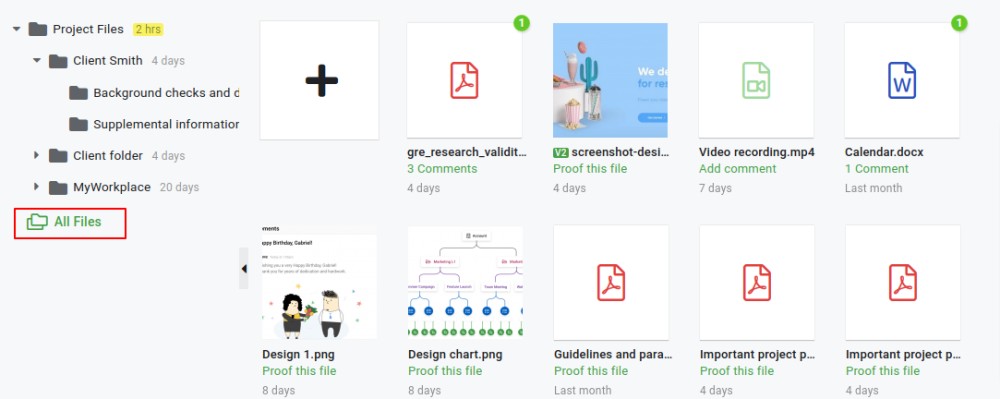
The best PDF editors for education come equipped with powerful features designed specifically for grading and commenting. These include annotation PDF editors for educators tools like highlighters, underlines, and sticky notes that enable educators to mark student work with clarity. Advanced editors also support audio and video comments, making feedback more personal and accessible.
Moreover, features such as document comparison, version control, and automatic form recognition help streamline grading large volumes of assignments efficiently. User-friendly interfaces are vital for educators who may need to train colleagues or operate under tight time constraints. Integrations with grading rubrics, digital signatures, and secure cloud storage further enhance functionality, making these tools indispensable for modern classrooms.
Beyond the Basics: Advanced PDF Editing Techniques for Educators
While basic annotation tools are essential, advanced PDF editing techniques open new horizons for educators. Features like editable text layers enable grading comments and corrections directly onto the document, reducing the need for external notes. Optical Character Recognition (OCR) allows educators to convert scanned handwritten work into editable text, facilitating more flexible feedback options.
In addition, educators can utilize dynamic forms for quizzes or surveys, embed multimedia annotations, and utilize custom stamps such as “Good Job” or “Revise” to expedite workflow. These advanced PDF editors for educators techniques often require more sophisticated software but provide a significant edge in process automation, personalization, and assessment customization—making complex pedagogical strategies easier to implement digitally.
Cost-Effective PDF Editor Solutions for Schools and Universities
Implementing PDF editing solutions at scale often raises concerns about costs; however, many affordable options tailor to educational budgets. Freemium models and open-source tools offer robust PDF editors for educators features suitable for smaller institutions or individual educators, providing essential annotation and commenting functionalities without significant financial investment.
For larger organizations, subscription-based PDF editors for educators solutions like Adobe Acrobat DC, Nitro Pro, or specialized educational editions provide scalable licensing, enhanced security, and dedicated support. Many vendors also offer discounted rates for academic institutions, helping to democratize access to these powerful tools.
Budget-conscious decision-makers should weigh factors like ease of use, integration capabilities, and security features to select the most cost-effective solutions aligned with their educational objectives.
Collaborative Grading: PDF Editors Empowering Educators
Collaborative grading is vital in team-teaching environments and peer review scenarios, where multiple educators need to evaluate the same student work. PDF editors for educators facilitate this by providing shared comment layers, real-time editing, and seamless document merging. These features enable quick, cohesive feedback and reduce duplication of effort.
Additionally, collaborative tools foster professional development among educators. Sharing annotated documents and discussion features help teachers align grading standards and pedagogical approaches. For students, multi-annotator feedback offers diverse perspectives, enriching their understanding. Overall, PDF editors for educators foster an environment of transparency, consistency, and teamwork essential for high-quality education.
PDF Editor Security and Compliance: Protecting Student Data
Security and data privacy are paramount in educational settings. PDF editors for educators intended for grading and commenting on PDFs should incorporate strong encryption, user authentication, and access controls to protect sensitive student information. Compliant with regulations like FERPA or GDPR, these tools ensure that data remains confidential and legal standards are maintained.
Educational institutions must evaluate potential software’s security track record, especially concerning cloud storage and data transmission. Some PDF editors offer audit trails, digital rights management, and secure sign-in protocols. Choosing compliant and secure tools reassures stakeholders that student data is protected, fostering trust and accountability within the education ecosystem.
Integration and Accessibility: Choosing the Right PDF Editor for Your Needs
The effectiveness of a PDF editor hinges on its ability to integrate with existing educational infrastructure. Seamless integration with Learning Management Systems (LMS), gradebooks, and communication platforms allows educators to embed annotation tools directly within their existing workflows. Compatibility across devices and operating systems ensures accessibility for all users, including students with diverse needs.
Accessibility features like screen reader support, keyboard shortcuts, and adjustable display settings are essential for inclusive education. Choosing an intuitive, interoperable PDF editor enhances productivity, encourages adoption, and ensures that all students and teachers can benefit equally from digital grading tools. Clear vendor support and ongoing updates further ensure that the software remains aligned with evolving accessibility standards.
Future Trends: PDF Editors and the Evolving Landscape of Education
As digital education transforms, PDF editors will continue to evolve with features like AI-powered handwriting recognition, automated grading, and intelligent feedback systems. These advancements promise to make grading more efficient and personalized, freeing educators to focus on pedagogical relationships rather than administrative tasks. Augmented reality and virtual collaboration spaces may also integrate with PDF editors to support immersive learning experiences.
Furthermore, interoperability will become increasingly critical, with PDF tools linking seamlessly to other educational technologies like virtual labs, adaptive learning platforms, and data analytics. These integrations will provide a richer, more holistic picture of student progress. Ultimately, ongoing innovation in PDF editing is set to deepen the impact of digital tools on teaching and learning, shaping a more adaptive and inclusive future for education.
Relevant Reads:
Best PDF Editor 2025: Top Tools, Features, and Free Alternatives Compared
PDF Editors for Students – Annotate Lecture Notes and Boost Learning Efficiency
Conclusion
PDF editors for educators, grading and commenting on PDFs represent a significant leap toward modernizing educational assessment and feedback practices. They streamline workflows, enable rich and personalized feedback, and facilitate collaboration—all while maintaining security and compliance standards. As educational institutions seek cost-effective and accessible solutions, understanding the evolving capabilities of advanced PDF editing tools is critical.
With future innovations promising greater automation and integration, PDF editors will remain foundational in shaping the future of digital education, empowering educators to deliver more engaging, efficient, and impactful learning experiences.