



Project Kickoff Checklist: Avoid Common Startup Pitfalls
- ClickUp
- October 23, 2025
- No Comments
Embarking on a new project requires more than just good intentions and an optimistic outlook; it demands meticulous planning and strategic organization. The project kickoff checklist serves as an essential tool for project managers to ensure that all foundational elements are in place before diving into execution.
By adhering to a comprehensive Project setup guide, teams can align expectations, clarify roles, and establish a shared understanding that paves the way for a smooth project lifecycle. This article explores the vital components of a successful project kickoff checklist, offering insights and practical considerations to help you kickstart your project with confidence.
Essential Items for a Successful Project Kickoff Checklist
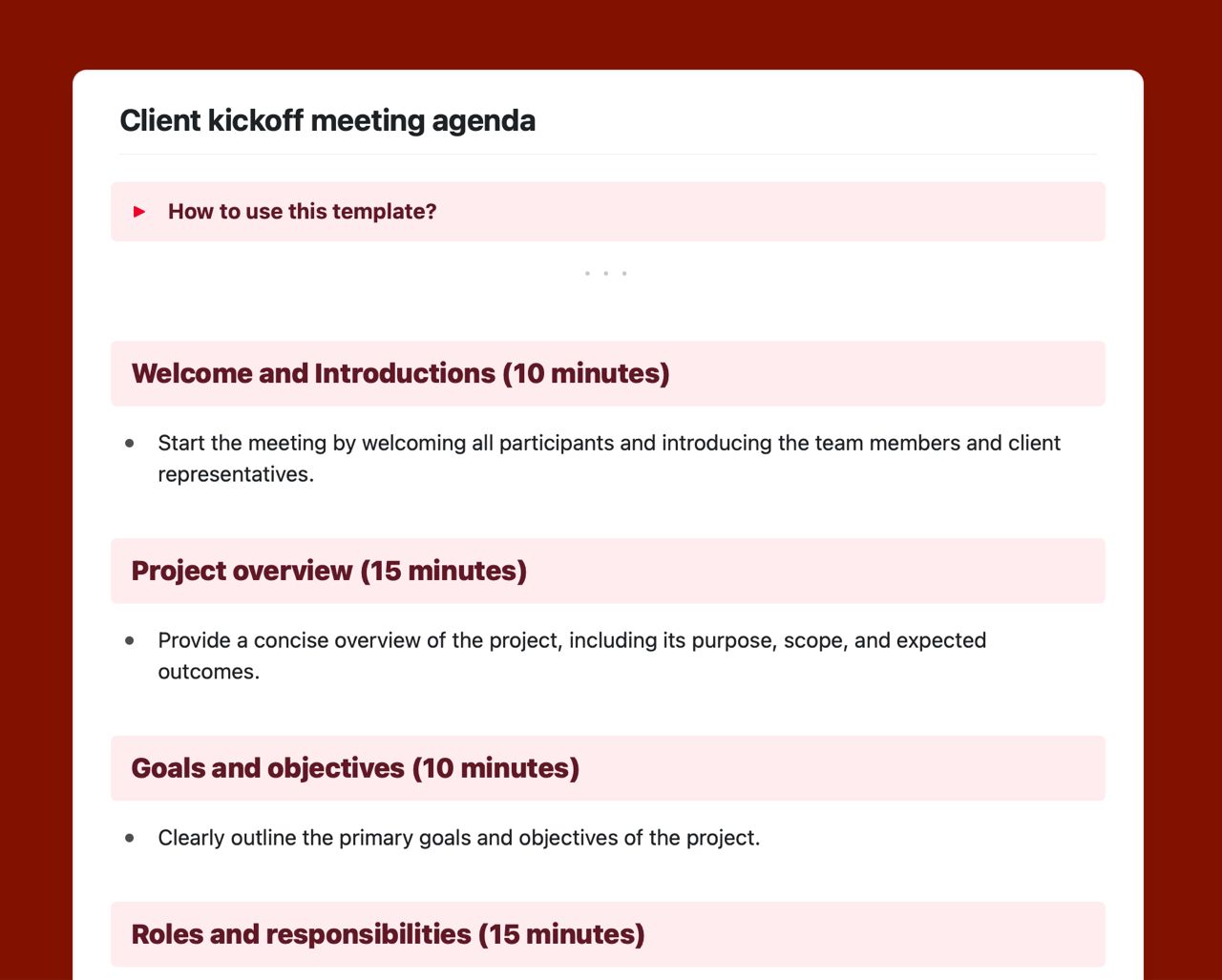
A successful project kickoff begins with pinpointing the core items that need to be addressed to set the stage for productive collaboration. First and foremost, clear project objectives and scope must be established. Without this, teams risk veering off course or misinterpreting priorities, leading to delays and resource wastage. It’s crucial to articulate what success looks like, ensuring every stakeholder understands the desired outcomes.
Alongside these objectives, securing stakeholder buy-in and identifying key personnel are paramount. Engaging stakeholders early guarantees their support and feedback, which can mitigate risks down the line. Equally important are the logistical elements: setting up communication channels, establishing project documentation standards, and confirming resource availability. These essentials serve as the backbone of your project kickoff checklist, creating a solid foundation upon which to build your project’s momentum.
Building a Project Kickoff Checklist: Key Components

Constructing an effective project kickoff checklist calls for a strategic approach that incorporates both comprehensive planning and flexibility. The key components should include an overview of the project background, objectives, and scope, providing clarity and context to all team members. Equally vital are the detailed roles and responsibilities that delineate who is responsible for what, minimizing confusion and overlapping tasks.
Another critical component involves establishing communication protocols. Defining how updates will be shared, how meetings are scheduled, and how issues are escalated ensures transparency and keeps everyone aligned. Incorporating a risk management plan at this stage also helps identify potential pitfalls early, allowing the team to proactively develop mitigation strategies. When these components are thoughtfully included, your project kickoff checklist becomes a strategic blueprint that guides the entire project journey.
Project Kickoff Checklist: Defining Scope and Objectives
Defining scope and objectives during your project kickoff checklist is crucial for aligning team efforts and managing expectations. A well-articulated scope provides boundaries, outlining what is included in the project—and what is not—helping prevent scope creep, which is one of the leading causes of project delays and budget overruns. It entails detailed documentation of deliverables, constraints, and assumptions, enabling all stakeholders to share a common understanding.
Simultaneously, setting clear, measurable objectives ensures that progress can be tracked and evaluated effectively. Objectives should be Specific, Measurable, Achievable, Relevant, and Time-bound (SMART), serving as benchmarks for success. When scope and objectives are properly defined at the outset, team members gain clarity on their individual roles within the broader purpose, fostering alignment and motivation. Incorporating this into your project kickoff checklist ensures a focused start that keeps your project on track throughout its lifecycle.
Team Roles and Responsibilities: Integrating Them into Your Kickoff Checklist
One of the most overlooked yet vital elements of a project kickoff checklist is clearly defining team roles and responsibilities. This clarity reduces role ambiguity, which often leads to duplicated efforts or overlooked tasks. During the kickoff, it’s important to assign responsibilities based on expertise and availability, ensuring each member understands their specific contributions and accountability areas.
Integrating roles into your checklist also involves identifying key points of contact and establishing authority levels for decision-making. Personal insights suggest that fostering a shared understanding of responsibilities early on enhances accountability and streamlines communication. It may also be beneficial to document these roles visually—such as through RACI matrices—so that everyone can reference them easily. When team responsibilities are explicitly addressed during project initiation, collaborative synergy increases, setting your project on a path of efficient execution.
Communication and Stakeholder Management: Checklist Considerations
Effective communication and stakeholder management are the lifeblood of any project, and a project kickoff checklist must prioritize these elements. Success hinges on establishing clear channels of communication, defining how and when information is shared, and determining the tools used—be it meetings, emails, or collaborative platforms. Regular updates and transparent dialogue help prevent misunderstandings and foster trust among stakeholders.
Beyond mere channels, managing stakeholder expectations is equally vital. The checklist should include a stakeholder analysis, identifying key players, their interests, and influence levels. Building a communication plan that addresses their specific needs ensures all relevant parties feel involved and informed. Personal insights reveal that proactive stakeholder engagement during kickoff creates a sense of ownership, reducing resistance and facilitating smoother project progress. Ultimately, meticulous planning in this area lays the groundwork for ongoing collaboration and mutual accountability.
Risk Assessment in the Project Kickoff: A Checklist Approach
Introducing a risk assessment component within your project kickoff checklist is essential for early identification of potential threats and uncertainties. By systematically evaluating risks at this stage, teams can develop mitigation strategies that save time and resources later in the project. This process involves brainstorming possible issues—from technical failures and resource shortages to stakeholder conflicts—and assessing their likelihood and impact.
A practical approach involves creating a risk register, listing each identified risk alongside potential mitigation actions and contingency plans. This proactive mindset fosters resilience and prepares the team to address issues swiftly. Personal insights suggest that embedding risk management into the kickoff phase promotes a culture of openness and preparedness. When risks are acknowledged early and plans are set in motion to counteract them, the project gains a vital layer of stability and readiness for unforeseen challenges.
Project Budget and Resources: Checklist Verification
A thorough review of project budgets and available resources during the project kickoff checklist stage ensures financial feasibility and resource readiness. Establishing accurate budget estimates and tracking mechanisms helps prevent overspending and provides a foundation for financial control throughout the project. It’s equally critical to verify resource availability—such as personnel, tools, and materials—and identify gaps that may require contingency planning.
Personal insights emphasize that the alignment between budget, resources, and project scope directly influences project sustainability. By reviewing these elements early, project managers can communicate constraints clearly to stakeholders and adjust plans accordingly. This verification process also involves setting up processes for ongoing budget tracking and resource allocation, promoting accountability and agility. Incorporating this into your project kickoff checklist safeguards your project from financial pitfalls and resource shortages, fostering a more predictable execution phase.
Timeline and Milestones: Incorporating Them into Your Project Kickoff Checklist
Developing a project timeline with defined milestones during the project kickoff checklist phase is fundamental to tracking progress and maintaining momentum. A well-structured timeline includes major phases, deliverables, deadlines, and review points, providing a clear schedule that guides team efforts. Incorporating milestones serves as critical checkpoints where progress can be evaluated, and adjustments made if necessary.
In personal experiences, setting realistic yet challenging deadlines balances urgency with quality. The checklist should also specify dependencies between tasks, allowing for proactive risk management if delays are anticipated. Embedding these elements ensures that all team members understand expectations around deadlines and deliverables—fostering accountability. When milestones are clearly integrated into the kickoff, the project gains a structured rhythm that facilitates timely completion while accommodating flexibility for unforeseen issues.
Tools and Technologies: A Checklist to Ensure Readiness
Ensuring the right tools and technologies are in place during the project kickoff checklist phase is key to enabling efficient project management and collaboration. This includes project management software, communication platforms, documentation tools, and any specialized technology required for project tasks. Verifying that these tools are accessible, functional, and understood by team members minimizes delays and technical frustrations later on.
A personal insight from project managers like ClickUP indicates that investing time during kickoff to train team members on new tools creates a smoother transition into project execution. Additionally, establishing protocols for data sharing, version control, and cybersecurity helps maintain information integrity and confidentiality. When tools and tech are pre-arranged and properly set up, teams can switch gears quickly, fostering a productive environment that adapts swiftly to changing project demands.
Post-Kickoff Actions: Expanding Your Project Kickoff Checklist
The project kickoff is just the beginning; expanding your project kickoff checklist to include post-kickoff actions ensures continued momentum. This involves scheduling follow-up meetings, establishing reporting cadences, and setting up feedback loops to monitor ongoing progress. Clarifying these next steps keeps the team aligned and emphasizes continuous improvement.
Furthermore, this stage should include reviewing initial deliverables, collecting stakeholder feedback, and adjusting plans based on real-world developments. Personal insights suggest that marking the transition from kickoff to active execution with well-defined post-actions encourages accountability and proactive problem-solving. Extending your checklist beyond the initial phase creates a dynamic environment where adaptability is prioritized, ultimately leading to a more resilient and successful project trajectory.
Relevant Reads:
Project Management Software in 2025: An In-Depth Exploration
How To Track Project Milestones Like A Pro
Conclusion
In conclusion, a project kickoff checklist serves as a strategic roadmap that encapsulates all critical elements needed to launch a project successfully. From defining scope and objectives to managing risks, resources, timelines, and stakeholder communication, each component contributes to creating a unified and prepared project team.
By methodically addressing these areas and incorporating best practices and insights, project managers can foster clarity, accountability, and resilience from day one. Ultimately, a comprehensive kickoff sets the tone for a smooth project execution, helping teams achieve their goals efficiently and effectively while navigating challenges proactively.