



Task Dependency Management 101: Build Seamless Workflows for Success
- ClickUp
- October 18, 2025
- No Comments
One of the most critical yet often overlooked aspects is task dependency management. Managing how tasks relate and depend on each other can make or break the success of a project. Efficiently handling these dependencies ensures that project timelines are realistic, resources are optimally allocated, and risks are minimized.
As projects grow in complexity, so does the web of interrelated tasks, making task mapping software an indispensable discipline for project managers aiming for seamless execution and delivery.
The Importance of Task Dependency Management
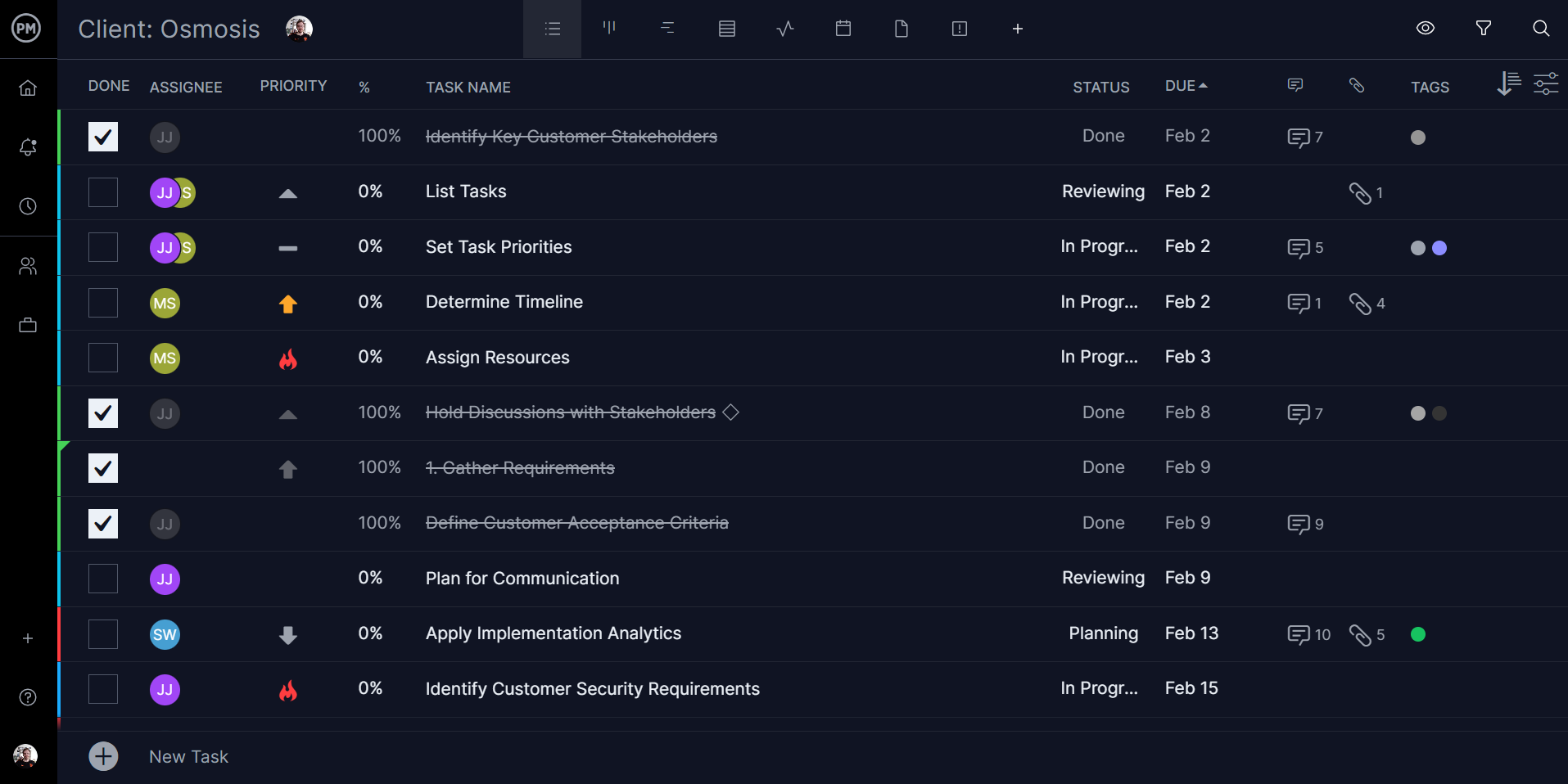
Understanding the significance of task dependency management starts with recognizing that no project operates in isolation. Tasks are interconnected, with many requiring the completion of earlier activities before they can commence. Proper dependency management helps project managers to chart a clear path from project initiation to completion, facilitating better planning and control. It reduces the risk of bottlenecks, delays, and resource conflicts, ultimately leading to more predictable project outcomes. When dependencies are well-managed, teams can anticipate potential issues and proactively address them, which fosters a smoother workflow and boosts stakeholder confidence.
Furthermore, task dependency management enhances communication and coordination across diverse teams. When everyone understands the sequence of activities and their dependencies, collaboration becomes more effective. It also supports better prioritization; knowing which tasks are critical dependencies allows project managers to focus on high-impact activities first.
This strategic task dependency management approach not only helps in meeting deadlines but also in optimizing the use of available resources, reducing unnecessary work, and maintaining quality standards. In essence, dependency management is a foundational element that underpins the overall efficiency and success of any project endeavor.
Understanding Task Dependencies: A Comprehensive Guide
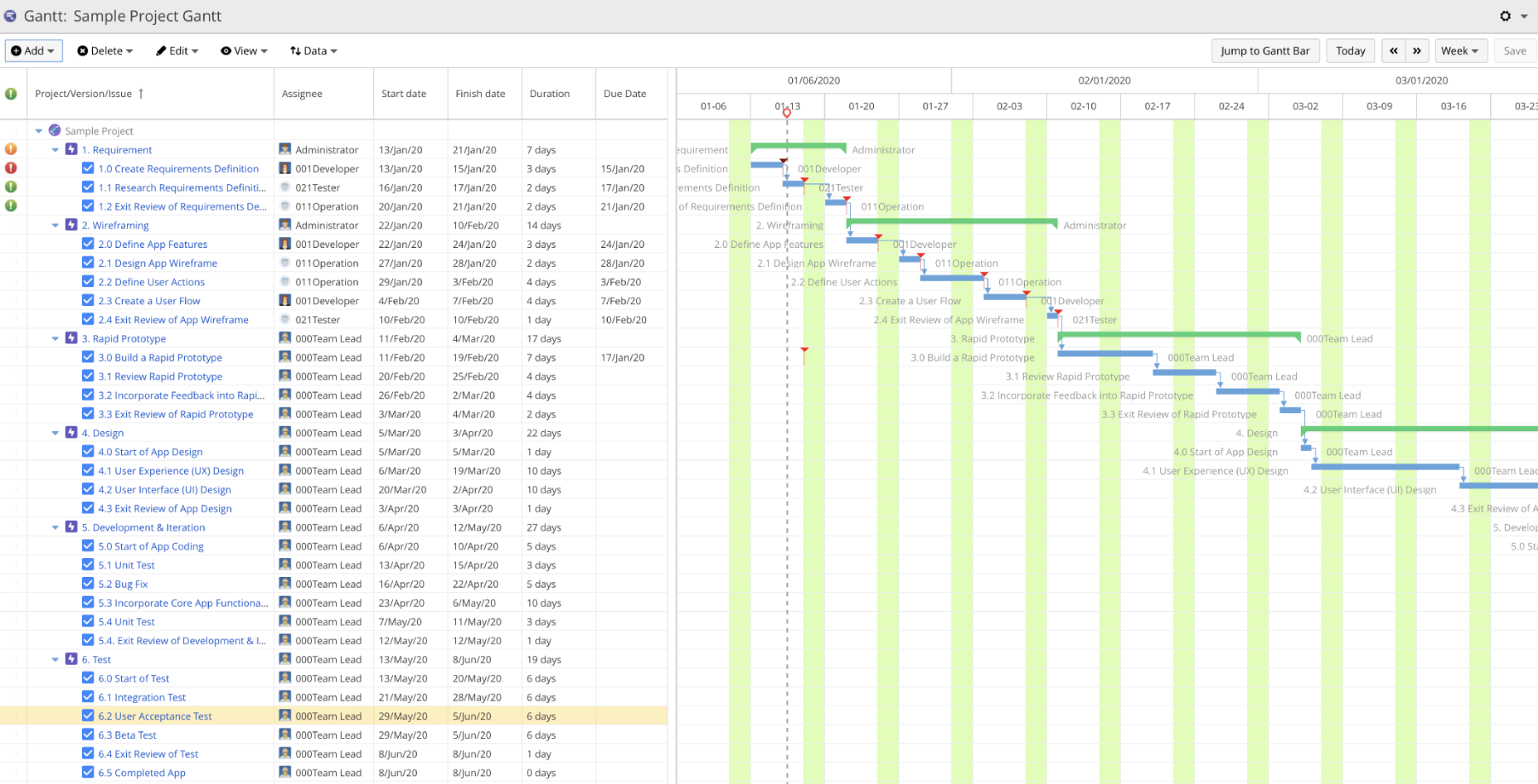
Task dependencies are relationships between activities that determine the order in which tasks must be executed. At their core, these dependencies can be categorized into several types, including finish-to-start, start-to-start, finish-to-finish, and start-to-finish. The most common, finish-to-start (FS), indicates that one task must be completed before the next can begin. Recognizing these relationships helps project managers to create logical and realistic schedules. It’s vital to distinguish between mandatory dependencies, which are intrinsic to the nature of the work, and discretionary dependencies, which are based on best practices or preferences.
Beyond the basic categories, understanding the underlying causes of dependencies deepens project insight. For instance, technical dependencies arise from the inherent sequence required to build, test, or implement components. Resource dependencies emerge when multiple tasks compete for the same limited resources, requiring careful scheduling. External dependencies involve factors outside the project’s direct control, such as regulatory approvals or vendor delivery timelines. Grasping these nuances allows for a more detailed and strategic approach to dependency management. It encourages proactive planning, where potential conflicts and delays are anticipated and mitigated before they impact the project timeline.
Effective Strategies for Managing Task Dependencies in Projects
Successfully managing task dependencies involves adopting clear strategies that enable project teams to stay on track amid complexity. One fundamental approach is thorough dependency mapping at the planning stage. Visual tools such as Gantt charts and dependency networks can clarify the sequence and highlight critical paths. Identifying the critical path—those tasks that directly affect the overall project deadline—is essential to prioritize activities and allocate resources efficiently. Regularly reviewing and updating dependency maps throughout the project lifecycle ensures alignment with real-time progress and shifts.
Another vital strategy is fostering collaboration and communication among team members. When dependencies are clearly articulated and understood, teams can anticipate potential roadblocks and coordinate their efforts accordingly. Incorporating buffer times for critical dependencies adds resilience against unforeseen delays. Additionally, embracing agile methodologies, which emphasize iterative progress and flexibility, allows project managers to adapt dependencies dynamically in response to changing circumstances. Combining these strategies creates a robust framework for task dependency management, ultimately leading to more predictable and successful project outcomes.
Tools and Technologies for Streamlining Task Dependency Management
Modern project management relies heavily on digital tools and software to streamline task dependency management. Platforms like Microsoft Project, Smartsheet, and Jira offer features specifically designed to visualize dependencies, monitor critical paths, and update schedules in real-time. These tools enable project managers to develop comprehensive dependency diagrams, track changes automatically, and share updates effortlessly with all team members. Integrating these technology solutions improves accuracy, reduces manual errors, and enhances transparency across project teams.
Beyond traditional project management software, there are advanced technologies like AI-powered scheduling tools that can predict potential conflicts or delays based on historical data and current project variables. Cloud-based collaboration platforms such as Asana or Trello, with their flexible task boards and automation capabilities, allow teams to quickly adjust dependencies and notify relevant stakeholders instantly. The effective use of these tools transforms dependency management from a manual, often cumbersome task into an agile, data-driven process. Harnessing technology empowers project managers to make informed decisions, respond rapidly to issues, and keep dependencies under tight control, ensuring project momentum remains uninterrupted.
Best Practices for Identifying and Defining Task Dependencies
Identifying and defining task dependencies is an art rooted in meticulous analysis and understanding of project specifics. The first best practice is involving subject matter experts during the planning phase. Their insights help uncover hidden dependencies that may not be obvious from a high-level view. Conducting thorough brainstorming sessions and reviewing previous similar projects can reveal patterns and common dependency pitfalls. Clear documentation of each dependency, including its type, rationale, and impact on schedules, ensures clarity and accountability.
Another critical practice is adopting a disciplined approach to validation. Once dependencies are identified, they should be tested against project realities through simulation or scenario analysis. This process uncovers assumptions and potential conflicts early on. It’s also vital to differentiate between essential dependencies and those that are optional or flexible. This distinction supports prioritization and decision-making throughout the project. Combining meticulous identification with rigorous validation creates a solid foundation for task dependency management, ensuring the project schedule is realistic, achievable, and resilient.
Mitigating Risks Associated with Task Dependencies
Dependencies inherently introduce risks into project execution—delays, resource conflicts, scope creep, or domino effects that can cascade down the schedule. Effective mitigation begins with comprehensive dependency analysis that identifies potential bottlenecks and vulnerabilities. By developing contingency plans, project managers can prepare alternative sequences or resource buffers to safeguard against dependency failures. For instance, slack or float time within schedules can provide buffers for critical dependencies, allowing flexibility without jeopardizing deadlines.
Another approach to mitigate risks involves proactive stakeholder engagement and communication. Keeping all relevant parties informed about dependencies and their implications facilitates early identification of issues—such as delayed supplies or unforeseen technical challenges—and prompt resolution. Employing risk management tools like risk registers and probabilistic scheduling can also quantify the likelihood and impact of dependency-related risks, enabling data-driven decision-making. Ultimately, embracing a proactive mindset combined with strategic planning minimizes disruption and helps maintain project alignment, even when dependencies become problematic.
The Role of Communication in Successful Task Dependency Management
Clear and continuous communication is fundamental to task dependency management. When dependencies are effectively communicated, everyone involved understands their roles, deadlines, and the consequences of delays. This shared understanding fosters accountability and encourages proactive problem-solving. Regular meetings, updates, and collaborative platforms ensure that dependencies are transparent and that any shifts or delays are addressed collectively rather than reactively. Open dialogue allows teams to realign their activities promptly, preventing minor issues from escalating into major project risks.
In practice, integrating dependency discussion points into standard project reporting and stakeholder engagement processes enhances transparency. Visual tools like dependency maps and dashboards make complex relationships easier to grasp, facilitating informed discussions. Leaders must also promote a culture where team members feel comfortable raising concerns or potential dependency conflicts early. When communication is prioritized, task dependency management transitions from a reactive process into a dynamic, collaborative effort that sustains project momentum and achieves desired outcomes.
Task Dependency Management: A Framework for Enhanced Project Performance
Building an effective task dependency management framework involves establishing clear procedures, roles, and accountability measures. This framework begins with meticulous dependency identification, followed by visual mapping and continuous monitoring. Assigning roles such as dependency analysts or coordinators ensures dedicated oversight. Integrating dependency management into overall project governance and decision-making processes creates a disciplined environment where dependencies are routinely reviewed and validated. This structured approach leads to more accurate schedules, better resource utilization, and a higher likelihood of meeting project goals.
Additionally, embedding flexibility within the framework allows projects to adapt to unforeseen changes without significant disruption. This includes establishing processes for updating dependencies, communicating these changes promptly, and re-evaluating the impact on the overall plan. By institutionalizing these practices, organizations cultivate a culture of proactive dependency management that enhances overall project performance, reduces risks, and delivers value consistently. A robust framework turns dependency management from a reactive chore into a strategic advantage.
Advanced Techniques for Optimizing Task Dependency Schedules
Leveraging advanced techniques in task dependency management can significantly enhance project scheduling efficiency. One such technique is Critical Chain Project Management (CCPM), which prioritizes resources and buffers to focus on critical dependencies, reducing project duration. Another approach involves using probabilistic scheduling methods, such as Monte Carlo simulations, to assess the impact of uncertainties on dependencies and identify optimal contingency plans. These techniques allow project managers to not only plan but also simulate and optimize schedules based on real data and risk assessments.
Integration of machine learning algorithms can further revolutionize dependency optimization by analyzing historical data to predict potential delays or conflicts proactively. These insights allow for dynamic rescheduling and resource reallocation in real-time. Combining these advanced ClickUp techniques fosters a granular understanding of dependencies, enabling organizations to execute projects more swiftly, with fewer surprises and greater alignment with strategic objectives. Ultimately, pushing the boundaries of traditional dependency management toward these innovative practices ensures that project schedules are not just realistic but resilient and optimized for success.
Case Studies: Real-World Examples of Task Dependency Management Success
Real-world case studies demonstrate the transformative power of well-executed task dependency management. For example, an aerospace company implemented dependency mapping and critical path analysis to streamline the development of a new satellite.
By proactively managing critical dependencies, they reduced project duration by 15% and avoided costly delays. The use of sophisticated tools and continuous stakeholder communication helped them synchronize complex technical activities, ensuring timely delivery despite technical challenges.
In another instance, a large construction firm adopted an integrated dependency management system that combined real-time data tracking with agile methodology. This approach allowed them to adapt schedules swiftly in response to vendor delays or weather disruptions, minimizing downtime and costs.
The firm’s success hinged on clear communication, risk mitigation strategies, and advanced scheduling techniques, illustrating how robust task dependency management frameworks can produce tangible results. These case studies serve as compelling evidence that investing in dependency management not only improves project outcomes but also enhances organizational resilience and competitiveness.
Relevant Reads:
Project Management Software in 2025: An In-Depth Exploration
Kanban Board Software For Smarter Project Management
Conclusion
In conclusion, task dependency management is an essential discipline that underpins successful project execution, enabling teams to navigate complexities and deliver results on time and within scope. From understanding various dependency types to employing strategic tools, fostering clear communication, and adopting advanced scheduling techniques, effective dependency management involves a holistic approach.
By building resilient frameworks, identifying risks early, and leveraging modern technology, organizations can optimize project performance, reduce delays, and successfully meet their strategic objectives. Ultimately, mastering task dependency management transforms project planning from a chaotic endeavor into a disciplined art that drives consistent, measurable success.