


Data-Driven Team Performance Tracking for Modern Workplaces
- ClickUp
- October 18, 2025
- No Comments
Team performance tracking has become an essential component for organizations aiming to maximize productivity, enhance employee engagement, and achieve strategic objectives. Whether you’re managing a small startup or overseeing a large enterprise, understanding how your teams perform—and how to effectively monitor that performance—is key to sustainable success.
The concept of team performance tracking involves systematically measuring, analyzing, and acting upon various performance indicators to foster continuous improvement and organizational agility.
At its core, performance tracking software is not merely about collecting data; it’s about transforming that data into actionable insights that can drive better decision-making and motivate team members to excel. As more companies recognize the importance of aligning individual contributions with overarching business goals, mastering effective team performance tracking techniques becomes vital.
This comprehensive guide delves into the strategies, metrics, tools, and future trends associated with performance monitoring, empowering leaders and managers to cultivate high-performing teams.
The Definitive Guide to Team Performance Tracking
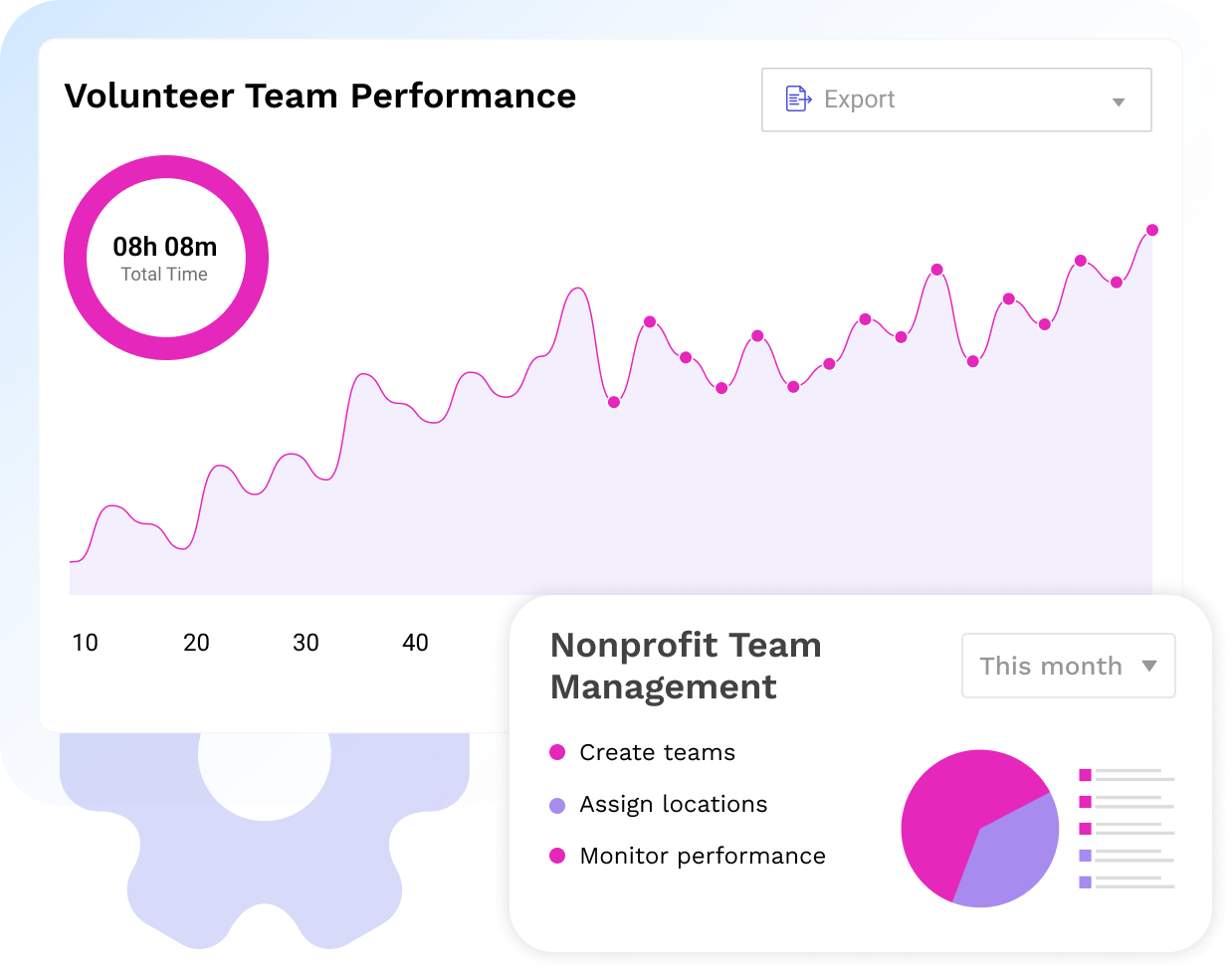
Understanding the intricacies of team performance tracking begins with appreciating its scope and significance. It involves setting clear expectations, establishing consistent measurement practices, and fostering a culture of transparency. An effective team performance tracking system is tailored to organizational goals and adapted to the unique dynamics of each team, whether remote or in-office. It isn’t a one-time setup but a continuous process that evolves with the team’s development and shifting priorities.
A comprehensive approach should include defining key performance indicators (KPIs), creating a feedback loop, and integrating qualitative and quantitative data. The ultimate aim is to promote accountability and growth, ensuring that when performance gaps are identified, they are addressed constructively and promptly. Building an environment conducive to honest communication, paired with systematic tracking, helps organizations not only measure success but also inspire it.
Boosting Productivity: Strategies for Effective Team Performance Monitoring
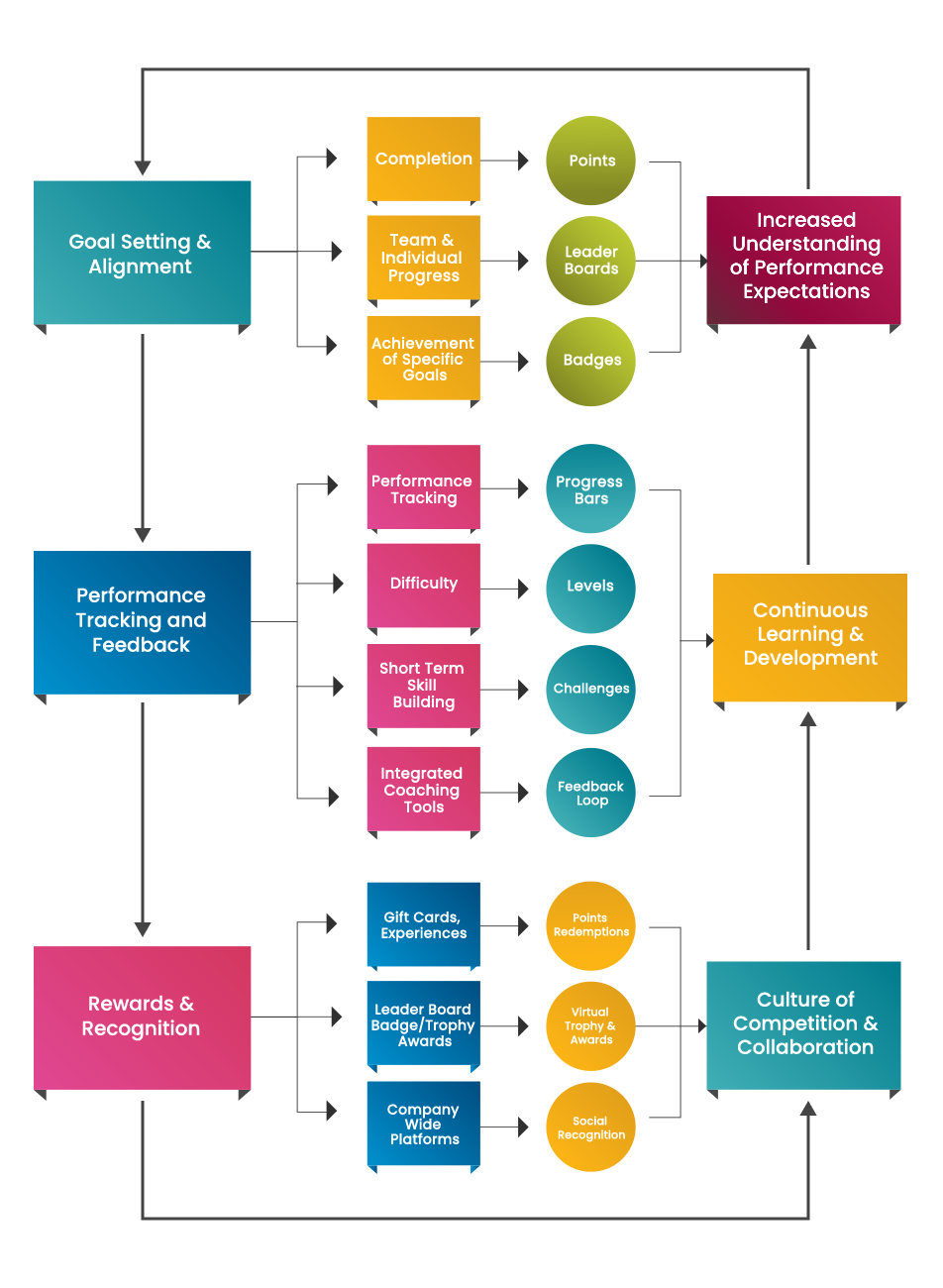
To truly elevate productivity, organizations must adopt strategic methods for team performance tracking that go beyond mere data collection. One effective approach is setting SMART goals—Specific, Measurable, Achievable, Relevant, and Time-bound targets—that provide clarity for team members and serve as benchmarks for progress. Regular check-ins that focus on these goals help maintain momentum and allow managers to intervene early if performance falters.
Another valuable strategy involves fostering a culture of continuous feedback and recognition. When team performance tracking is integrated with real-time comments and acknowledgment, it nurtures motivation and accountability. Additionally, aligning individual tasks with overall business objectives helps create a sense of purpose and clarity, encouraging teams to self-regulate and elevate their performance without constant supervision. Combining these strategies creates a proactive environment where productivity is consistently optimized through deliberate monitoring and management.
Key Metrics for Tracking and Improving Team Performance
Choosing the right metrics is crucial for meaningful team performance tracking. Traditional measures like productivity output, quality of work, and adherence to deadlines remain important. However, modern organizations benefit from also considering softer metrics such as collaboration levels, innovation rates, and employee engagement. These indicators provide a more holistic view of team health and long-term sustainability.
Focusing on dashboards that highlight progress toward strategic goals can streamline decision-making. Leading indicators—such as response times, customer satisfaction scores, or number of new ideas generated—offer real-time insights that facilitate quick adjustments. Lagging metrics—like quarterly sales or project delivery dates—help assess overall effectiveness. The key is balancing these metrics, ensuring that tracking efforts do not become overly cumbersome but instead serve as meaningful tools to drive continuous improvement.
Choosing the Right Tools for Team Performance Tracking
The landscape of team performance tracking tools is vast, with options ranging from simple spreadsheets to sophisticated AI-driven platforms. Selecting the appropriate tools depends largely on your team size, industry, and specific tracking needs. For startups and small teams, intuitive project management applications like Trello or Asana combined with basic analytics can suffice, offering simplicity and ease of use.
Larger organizations or those seeking more comprehensive insights should consider specialized platforms like Monday.com, Jira, or performance management suites such as Lattice and 15Five. These tools often integrate goal-setting, continuous feedback, and advanced analytics, providing a centralized hub for performance tracking. Importantly, the best tools are those that integrate seamlessly into existing workflows, promote transparency, and facilitate real-time data sharing, enabling leaders to respond swiftly and accurately to emerging performance trends.
How to Implement a Successful Team Performance Tracking System
Implementing a team performance tracking system requires careful planning, clear communication, and commitment from leadership. Start by defining what success looks like: which metrics truly reflect your organization’s priorities? Then, involve your team in the process to foster buy-in and alleviate concerns about micromanagement or scrutiny. Clear guidelines on how data will be collected, shared, and used help set expectations and establish trust.
Equally important is training team members and managers on how to use tracking tools effectively and interpret data accurately. Establishing a regular cadence for reviews—whether weekly, monthly, or quarterly—ensures that performance monitoring remains consistent and purposeful. To embed this system into your organizational culture, celebrate milestones, provide constructive feedback, and adapt the system based on ongoing results and employee input. An effective implementation creates a foundation for sustainable growth and high performance.
Data-Driven Team Management: Using Performance Tracking to Optimize Results
Harnessing the power of team performance tracking for data-driven management transforms raw numbers into strategic insights. Leaders who leverage data can identify trends, predict potential roadblocks, and tailor interventions that maximize team strengths. For example, analyzing work patterns may reveal bottlenecks in processes, prompting workflow improvements that expedite project completion.
The key to effective data-driven management is not just collecting data but interpreting it within context. Combining quantitative metrics with qualitative insights—like employee feedback or client comments—provides a rounded view of overall performance. This approach facilitates personalized development plans and targeted coaching, fostering a culture where continuous improvement is embedded in everyday operations. The result is a more agile organization capable of adapting swiftly to internal and external challenges.
Avoiding Common Pitfalls in Team Performance Tracking
Despite its benefits, team performance tracking is susceptible to several pitfalls that can undermine its effectiveness. One common mistake is relying solely on quantitative metrics without considering contextual factors; for instance, high output numbers might hide burnout or low quality. Managers must balance metrics with qualitative insights to get a true picture of performance.
Another pitfall is over-emphasizing tracking tools at the expense of human interaction. Excessive focus on data can lead to a culture of surveillance and mistrust, decreasing motivation and engagement. To prevent this, organizations should view performance tracking as a developmental tool like ClickUp rather than a punitive measure. Establishing transparency around data collection, maintaining open communication, and fostering a supportive environment help ensure team performance tracking enhances overall morale and productivity.
The Role of Feedback in Enhancing Team Performance Through Tracking
Feedback is the cornerstone of turning team performance tracking data into meaningful development opportunities. Regular, constructive feedback helps team members understand their strengths and identify areas for growth, fostering a culture of continuous learning. When combined with performance data, feedback becomes more objective, specific, and impactful, leading to better goal alignment and motivation.
Effective feedback practices involve transparency, specificity, and timeliness. Managers should strive to balance positive reinforcement with constructive criticism, delivered in a manner that encourages reflection and improvement.
When feedback is integrated seamlessly into the tracking process, it transforms raw data into a powerful dialogue geared toward elevating individual and team performance, creating a more engaged and dynamic workforce.
Beyond Metrics: Understanding the Human Element in Team Performance Tracking
While metrics are valuable, team performance tracking can sometimes overlook the human element—motivation, morale, and interpersonal dynamics. Recognizing that behind every data point is a person with unique challenges and aspirations is essential for fostering sustainable performance improvements. Factors like burnout, lack of recognition, or poor communication can significantly impact outcomes, regardless of what numbers suggest.
Organizations should complement quantitative metrics with qualitative assessments, such as pulse surveys, one-on-one conversations, and peer reviews. These insights help uncover underlying issues and reinforce the importance of empathy and emotional intelligence in management. By addressing both the measurable and human dimensions of performance, businesses can cultivate resilient teams that thrive not only on data but also on trust, engagement, and shared purpose.
Future Trends in Team Performance Tracking: AI and Automation
The future of team performance tracking is increasingly intertwined with artificial intelligence (AI) and automation. AI-powered platforms can analyze vast amounts of data to identify patterns, predict performance issues, and recommend tailored interventions, significantly reducing manual effort. Automation tools can streamline data collection, reporting, and feedback processes, freeing managers to focus on strategic development rather than administrative tasks.
Emerging trends also include the integration of advanced analytics and machine learning to personalize performance insights based on individual working styles and preferences. Additionally, automation can enable real-time performance dashboards, offering instant visibility into team health. As technology evolves, organizations that leverage AI and automation will gain competitive advantages by making smarter, faster, and more accurate decisions, ultimately fostering more adaptive and high-performing teams.
Relevant Reads:
How to Use Project Planning Templates for Faster Project Execution
Project Management Software in 2025: An In-Depth Exploration
Conclusion
Team performance tracking is a multifaceted discipline that plays a vital role in organizational success, combining clear metrics, strategic tools, feedback, and a nuanced understanding of human behavior. From selecting appropriate metrics and tools to implementing systems aligned with company culture, effective performance tracking requires deliberate planning and ongoing adjustments.
As technology advances, AI and automation will continue transforming the way teams are monitored and managed, enabling more precise and timely insights. By embracing a balanced approach that values data alongside empathy and communication, organizations can unlock the full potential of their teams, fostering a culture of continuous improvement that drives sustained growth.