


Building Trust in Leadership: Simple Habits That Change Everything
- Leadership
- October 3, 2025
- No Comments
Here’s the truth: 79% of people don’t trust their leaders. That stat is shocking, but if you’ve ever worked under a “my-way-or-the-highway” manager, you probably aren’t surprised.
Now, imagine flipping that stat on its head. Imagine a workplace where trust isn’t rare—it’s the norm. The wins? Less stress, more productivity, higher engagement, and a team that actually enjoys working together.
The best part? Trust doesn’t cost a dime. It’s built in small, consistent ways—habits that show your team you care. Let’s break down what trust in leadership really looks like (hint: it’s not about giving big speeches or having all the answers).
Source: Linkedin User
How do leaders build trust?
Leaders build trust not by giving orders or making speeches, but through consistent daily actions—listening, showing empathy, practicing humility, and being transparent. Trust grows when leaders put people first, admit mistakes, and genuinely care about their team’s growth and well-being.
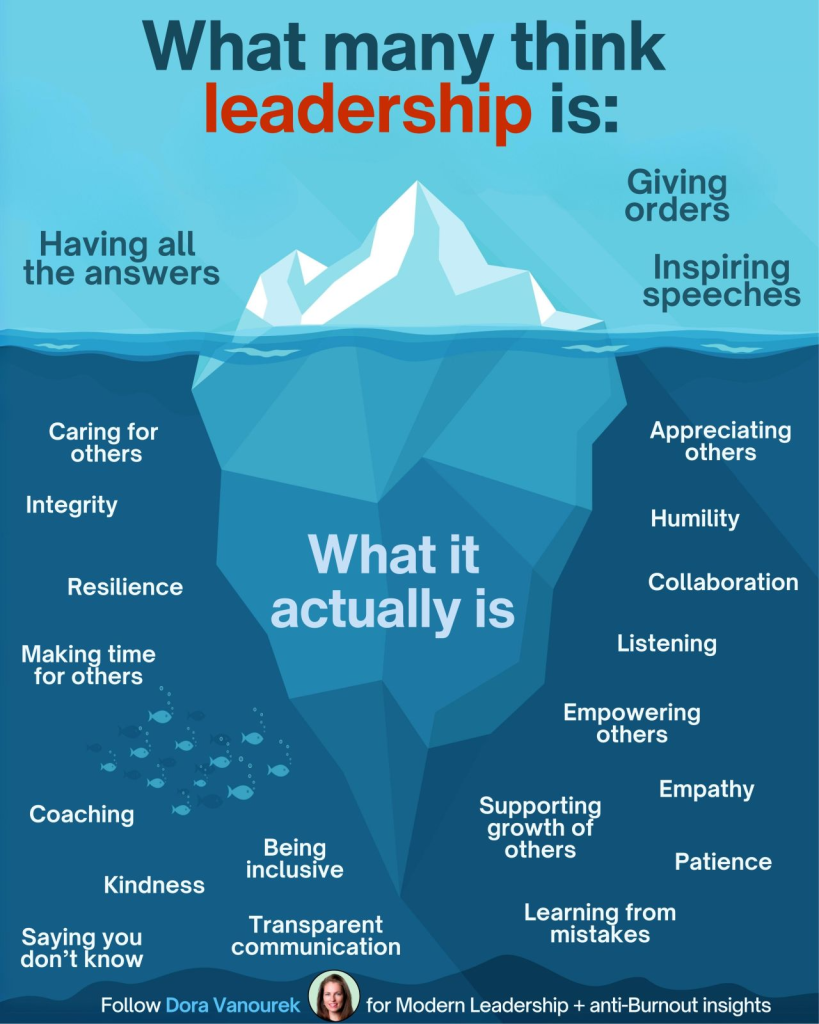
What Most People Think Leadership Is
Let’s get real. When most folks picture a “leader,” they imagine:
- Someone with all the answers
- A boss who gives orders from the top
- A big-stage speaker with the loudest, most inspiring voice
Sounds powerful, right? But here’s the catch: none of those guarantee trust. In fact, they often do the opposite.
What Leadership Actually Looks Like
Here’s the real list—the one that turns managers into leaders worth following:
- Appreciating others (yes, even the quiet contributors)
- Humility (drop the ego)
- Collaboration (not competition)
- Listening (actually hearing, not just waiting to reply)
- Empowering others (letting people own their work)
- Coaching instead of commanding
- Kindness (simple but overlooked)
- Saying “I don’t know” (and meaning it)
- Being inclusive
- Transparent communication
- Supporting growth of others
- Empathy and patience
- Learning from mistakes
None of these require a massive budget, a fancy title, or a keynote slot at a conference. They require being human—and consistent.
Why Trust in Leadership Matters
When trust exists, magic happens:
- Lower stress: Teams feel safe to speak up without fear of backlash.
- Higher productivity: People bring their best ideas forward.
- Stronger engagement: Employees don’t just work for you, they work with you.
- Retention improves: Talented people stay because they feel valued.
A 2023 Gallup report found that employees who trust their leaders are three times more likely to be engaged at work. Engagement, in turn, drives profitability and innovation.
Building Trust Doesn’t Look Like This
- Giving orders
- Acting like you have all the answers
- Being the loudest in the room
- Delivering big “inspiring” speeches
Those might create short-term compliance, but not long-term trust.
Building Trust Looks Like This
- Humility: Admit when you don’t know.
- Integrity: Do what you say you’ll do.
- Listening: Stop multitasking and really hear people.
- Empathy: Recognize the human behind the job title.
- Appreciation: Celebrate effort, not just outcomes.
- Collaboration: Involve others in problem-solving.
- Transparent communication: No hidden agendas.
- Supporting and empowering others: Help people grow, not just perform.
Trust is earned in moments, not announced in speeches.
Suggested Reads:
7 Signs You Work for a Great Leader
7 Mindset Traps That Cause Burnout (and How to Escape)
Conclusion
Trust isn’t built on big speeches or rigid hierarchies. It’s built in the quiet moments: listening, appreciating, admitting mistakes, and empowering others. Your team deserves more than a boss. They deserve a leader they can respect and believe in.
Step up. Create a culture of trust. Be the leader they’ll follow—not because they have to, but because they want to. Explore more AI tools on TheAISurf.
FAQs About Leadership and Trust
Q1. Why do most employees distrust their leaders?
Because too many leaders prioritize authority over authenticity. When people feel unheard, unappreciated, or misled, trust erodes quickly.
Q2. Can trust be rebuilt after it’s lost?
Yes, but it takes time and consistency. Leaders must acknowledge mistakes, communicate transparently, and demonstrate integrity through repeated actions.
Q3. What’s the fastest way to build trust as a new leader?
Start by listening more than speaking. Show humility, keep promises, and prioritize people over processes. Small daily actions create a big impact.