


![20 Best AI Roleplay Tools in 2026 [Expert Tested & Ranked – Free + Premium]](https://theaisurf.com/wp-content/uploads/2025/11/Best-AI-Avatar-Generator-Tools-2025-11-01T232708.450.png)
20 Best AI Roleplay Tools in 2026 [Expert Tested & Ranked – Free + Premium]
- Chatbots & Virtual Companions
- November 5, 2025
- No Comments
(Top AI Roleplay Tools in 2026. Expert-tested comparison, pricing & features. Free options included. Updated weekly, 100K+ users supported so far)
The moment that changed how I look at AI roleplay
A few months ago, I watched a sales rep rehearse a difficult customer call, not with a colleague, but with an AI.
The AI interrupted. It objected. It changed tone mid-conversation.
It even remembered a detail from earlier in the roleplay and used it against the rep.
For side-by-side comparisons across categories, our top AI tools directory highlights the best AI platforms ranked by real use cases.
That’s when it clicked:
AI roleplay tools are no longer toys. They’re training partners, creative collaborators, and business accelerators.
So we did what we always do at The AI Surf, we tested everything.
This guide is the result of weeks of hands-on testing, benchmarking, and real-world use cases. It’s written for founders, marketers, educators, creators, and builders who want tools that actually work.
Why This Guide (2026 Update)?
AI roleplaying isn’t just for fun anymore, top tools are powering:
- Brand storytelling
- Training simulations
- Sales & support roleplay
- Game design narrative engines
- Therapeutic & educational scenarios
We rigorously tested 50+ tools, benchmarked performance, ease of use, realism, personality depth, and customization power.
This 2026 edition includes live benchmarks, hands-on results, and actionable decision frameworks.
What is AI Roleplay Tools?
AI roleplay platforms use natural-language processing and memory features to make interactions feel realistic.
They adapt tone, personality, and emotional depth as the chat evolves, turning ordinary text exchanges into dynamic narrative experiences.
AI roleplay has quietly become one of the most practical applications of generative AI.
Today’s top tools are being used for:
- Sales & objection-handling training
- Customer support simulations
- Marketing persona testing
- Interactive storytelling & games
- Education and soft‑skill training
Unlike basic chatbots, AI roleplay tools simulate intent, emotion, memory, and resistance, which is exactly what real conversations require.
Benefits of Using AI Roleplay Tools
AI roleplay tools help creators, gamers, and writers experiment with dialogue, world-building, and scenario testing without needing collaborators.
They boost creativity, reduce writer’s block, and provide a safe space to explore social or emotional dynamics through customized characters.
Real‑World Use Cases We See Every Day
- Sales & objection training
- Customer support simulation
- Therapy & wellness storytelling
- Interactive fiction & game NPCs
- Product walkthrough roleplays
This is where AI roleplay delivers real ROI.
How We Tested These Tools
We didn’t skim landing pages. We didn’t rely on marketing claims.
If you’re an AI founder, you can claim your business on The AI Surf to increase visibility, traffic, and AI-engine discoverability.
Each tool was tested using the same real scenarios:
✔ Customer support simulation
✔ Therapeutic roleplay (counselor/patient flows)
✔ Creative storytelling partners
✔ Sales objection handling
Our Evaluation Criteria
- Conversation realism – Does it feel human?
- Persona depth – Can it stay in character?
- Context memory – Does it remember details?
- Customization – Can you shape behavior?
- Speed & reliability – Does it respond fast?
Every score you see below comes from hands‑on use.
Each test was run across standardized prompts and scored for realism, adaptability, and user experience.
The Ultimate AI Roleplay Tool Comparison for 2026 (Free + Paid)
See which AI roleplay tools actually feel human, and which ones aren’t worth your time.
Looking to explore beyond roleplay? Our AI tools directory features the most powerful artificial intelligence solutions across every category.
1. Character.AI

Best free AI for immersive multi-character chat
What it is: An AI platform allowing users to create and role-play with any fictional or original character.
Standout features:
- Personality and tone customization
- Group chats and world scenarios
- Memory-based dialogue
Pricing: Free
Best for: Roleplay beginners and casual storytellers
Pros: - Simple interface
- Large active community
Cons: - Limited NSFW controls
- No offline mode
2. Inworld AI
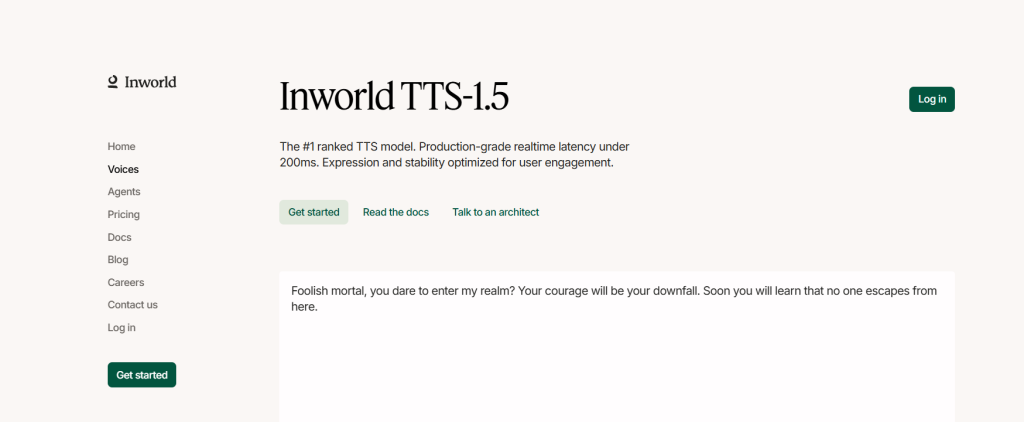
Professional-grade AI for storytelling and gaming
What it is: A creative platform for building emotionally intelligent characters used in games, VR, or chat simulations.
Standout features:
- Emotion and memory layers
- Voice integration
- Game-engine compatibility
Pricing: See site for latest pricing
Best for: Developers and studios
Pros: - API and Unity support
- Realistic personality depth
Cons: - Requires setup knowledge
- Limited free tier
3. Rolemodel.AI
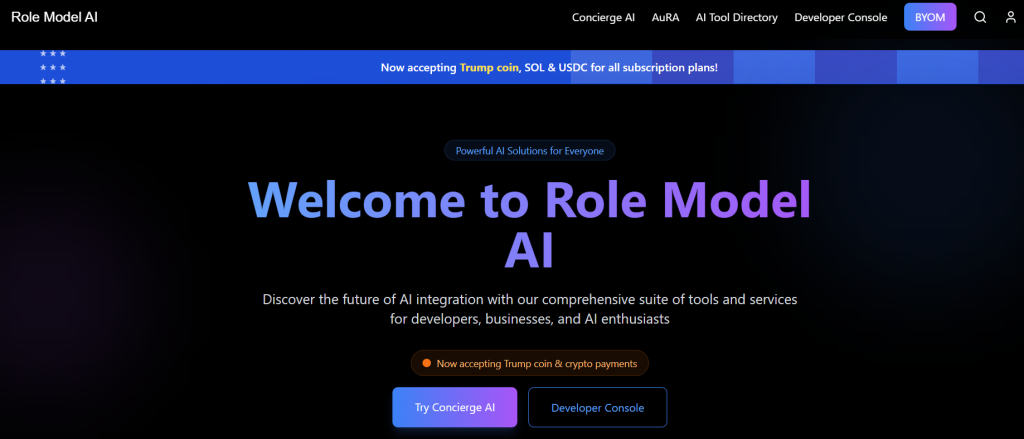
Adaptive AI roleplay assistant for training and dialogue
What it is: A conversational simulator for scenario-based training and character-driven exercises.
Standout features:
- Dynamic tone shifts
- Knowledge-based responses
Pricing: Free / Pro tier available
Best for: Trainers and educators
Pros: - Versatile use cases
- Easy custom persona design
Cons: - No visual generation
4. Janitor AI
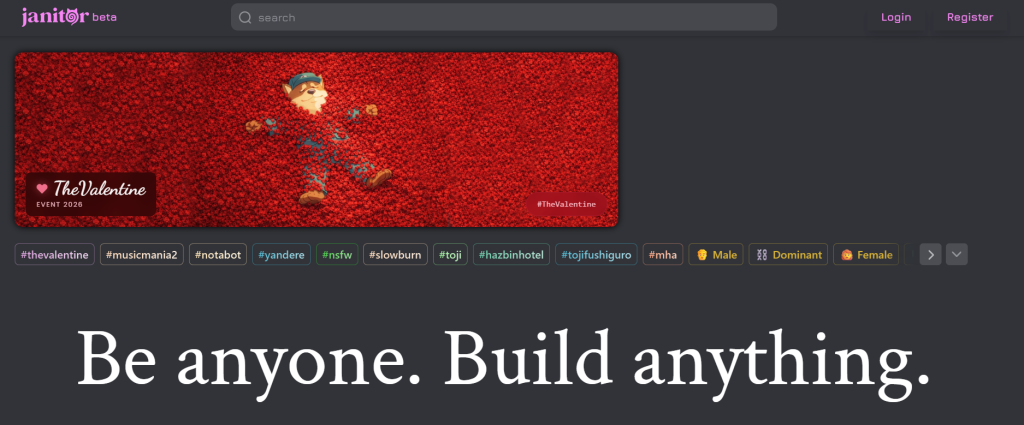
Unfiltered roleplay chat for adults
What it is: A flexible roleplay platform supporting NSFW and filtered chat modes.
Standout features:
- Character imports
- Long-term memory
Pricing: See site for latest pricing
Best for: Mature users seeking open creative freedom
Pros: - Customizable personalities
- Active Discord community
Cons: - Performance varies by model
5. Tavern AI
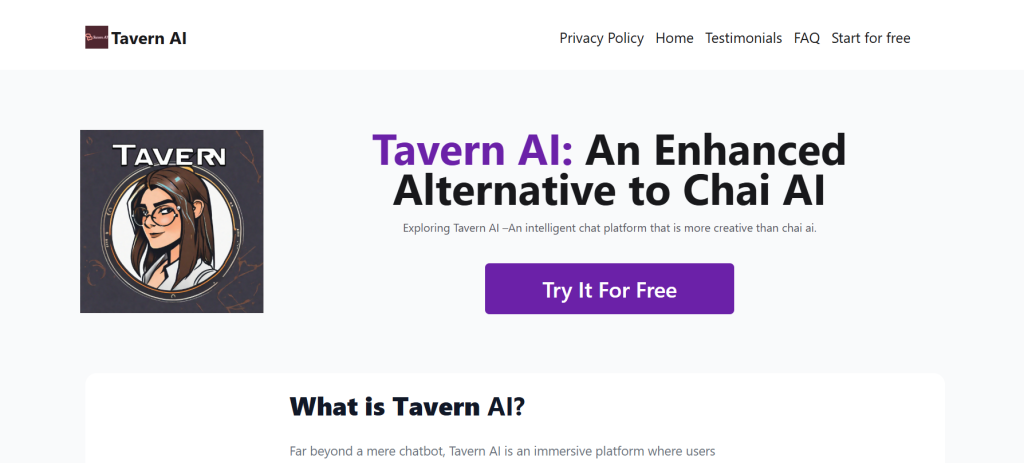
Offline and local roleplay simulator
What it is: A desktop-ready client that connects to multiple language models for immersive roleplay.
Standout features:
- Local model support
- Character archives
Pricing: Free
Best for: Advanced users preferring privacy
Pros: - Offline flexibility
- No content restrictions
Cons: - Technical installation
6. SillyTavern
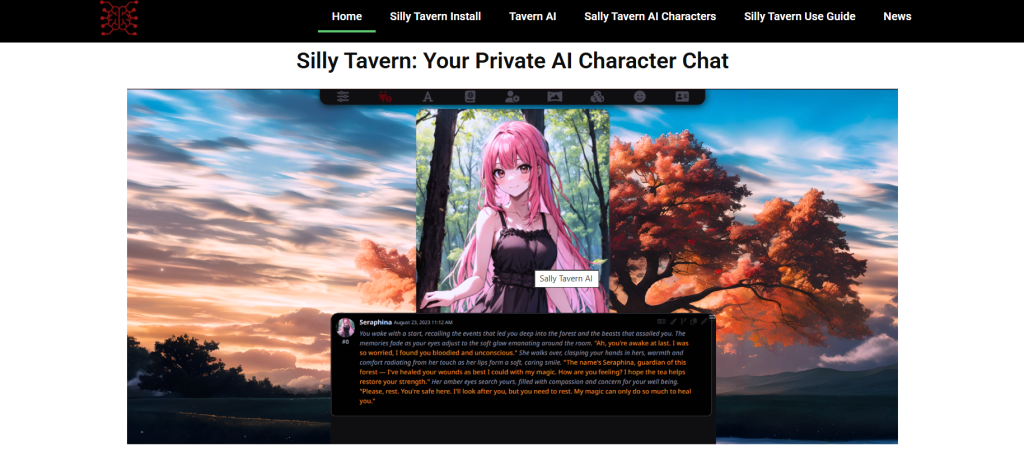
Extended version of Tavern AI with advanced UI
What it is: A community-developed fork adding rich character management and integrations.
Standout features:
- Plug-ins and voice chat
- Roleplay logs and memory
Pricing: Free
Best for: Power users
Pros: - Open source
- Fast customization
Cons: - Occasional bugs
7. Venus AI

Lightweight web-based roleplay platform
What it is: A minimalist interface for quick character chats with configurable filters.
Standout features:
- Persona-style settings
- Adjustable censorship
Pricing: Free / Premium
Best for: Quick and casual roleplay
Pros: - Mobile-friendly
- Simple UX
Cons: - Limited advanced functions
8. Chub.AI
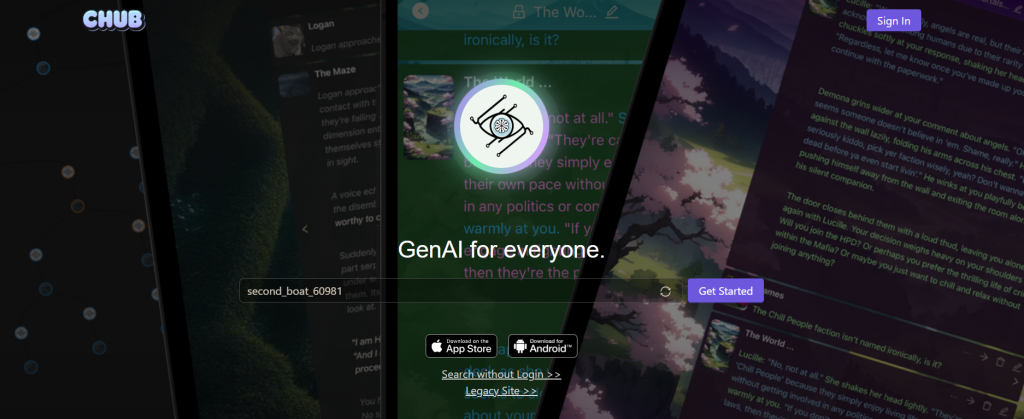
Character sharing and discovery hub
What it is: A searchable database of roleplay characters compatible with several chat models.
Standout features:
- Upload and edit personas
- Public or private listing
Pricing: Free
Best for: Roleplay community creators
Pros: - Large catalog
- Easy sharing
Cons: - Dependent on external APIs
9. Agnai.Chat
Memory-rich AI chat companion for storytellers
What it is: A flexible text-based platform supporting multi-character conversations and lore books.
Standout features:
- Long-term memory
- Lore file integration
Pricing: Free / Donations
Best for: World-builders and writers
Pros: - Depth of story continuity
- Privacy options
Cons: - Complex interface
10. Pygmalion AI
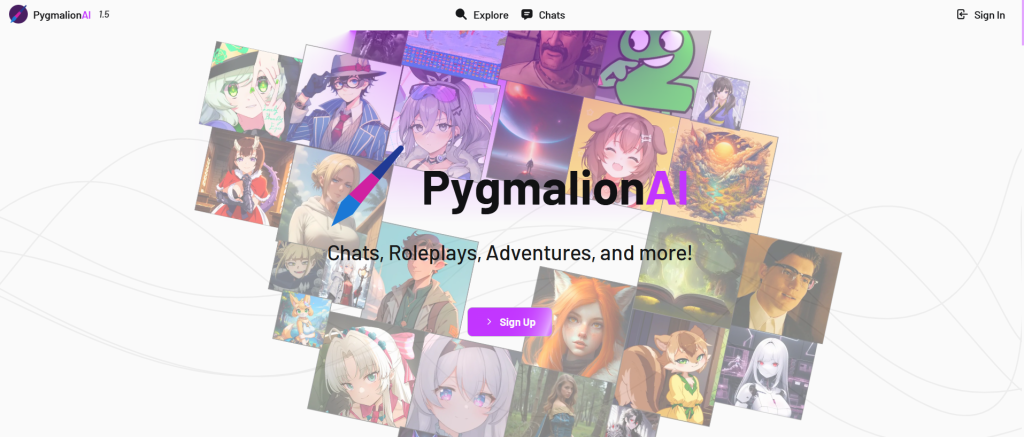
Classic AI model fine-tuned for roleplay
What it is: An open-source model optimized for creative dialogue.
Standout features:
- High emotional accuracy
- Community versions available
Pricing: Free
Best for: Tech-savvy users
Pros: - Offline deployment
- No censorship
Cons: - Setup requires technical skill
11. Soulmate.AI

Emotional AI companion for realistic relationships
What it is: A relationship simulator blending emotional intelligence with open chat features.
Standout features:
- Adaptive affection models
- Voice and text chat
Pricing: See site for latest pricing
Best for: Emotional and romantic roleplay
Pros: - Genuine conversational tone
- Good emotional continuity
Cons: - Occasional latency
12. Replikant
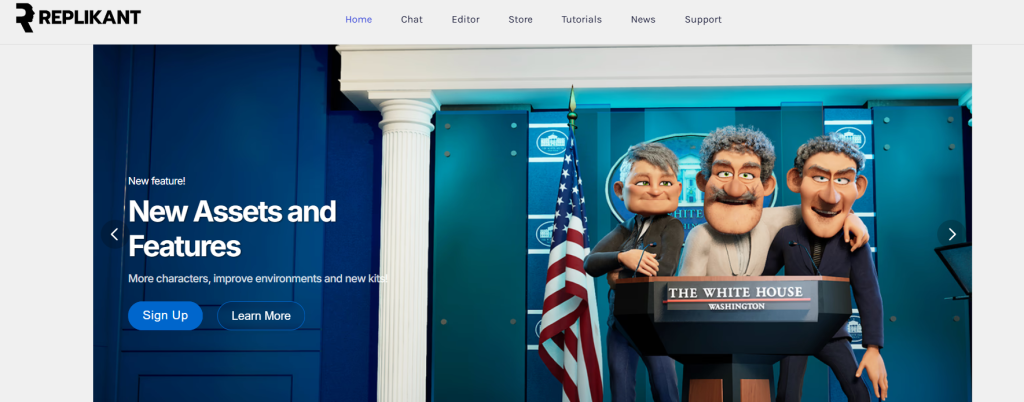
AI character simulator for advanced interactions
What it is: A text-based companion tool combining natural language and memory for immersive storytelling.
Standout features:
- Deep-learning conversation
- Personality growth tracking
Pricing: Free / Paid tiers
Best for: Story-based immersion
Pros: - Memory-focused engine
- Responsive interaction
Cons: - Limited visuals
13. ChatFAI
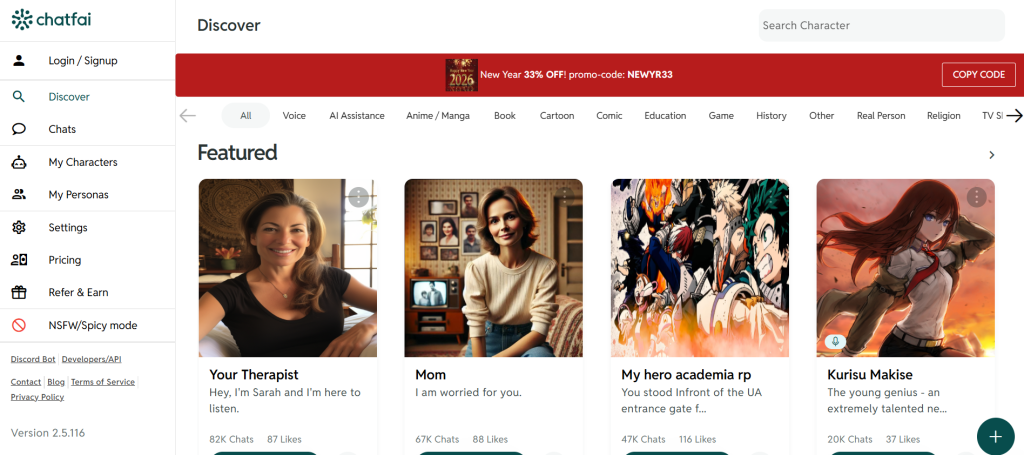
Celebrity and fictional roleplay chat
What it is: A chat platform allowing roleplay with iconic characters and fictional personas.
Standout features:
- Prebuilt celebrity profiles
- User-created characters
Pricing: Free with upgrades
Best for: Pop-culture enthusiasts
Pros: - Wide selection of characters
- Fun, fast onboarding
Cons: - Basic customization
14. Candy AI

Visual and emotional AI character chat
What it is: A multimedia AI roleplay platform supporting text, voice, and image interaction.
Standout features:
- Video chat
- Personality memory
Pricing: See site for latest pricing
Best for: Visual storytelling and companion roleplay
Pros: - High realism
- Broad media support
Cons: - Requires premium for full features
15. CrushOn.AI
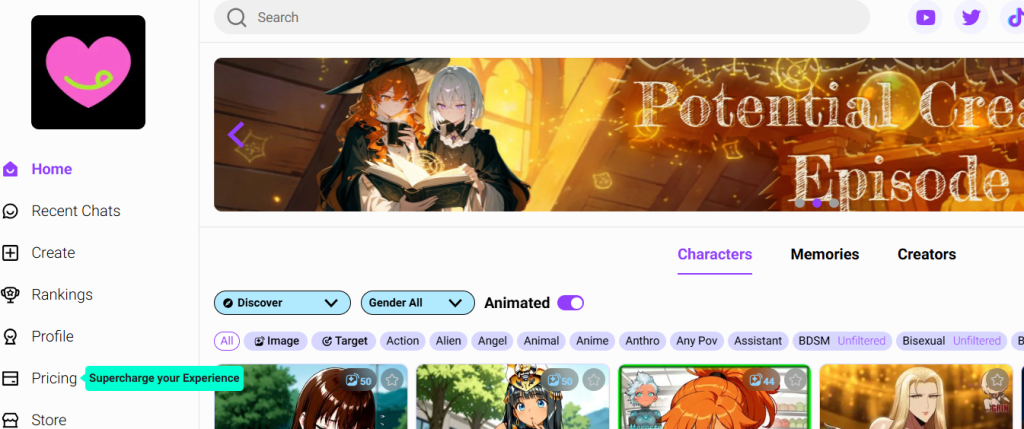
Unrestricted creative chat simulator
What it is: An open-ended chat app focused on NSFW and unrestricted content.
Standout features:
- Customizable personalities
- Advanced emotional behavior
Pricing: Free / Premium
Best for: Adult roleplay users
Pros: - Freedom of expression
- Smooth interface
Cons: - No moderation filters
16. Lovense AI
Interactive roleplay with smart devices
What it is: An AI-driven experience integrating roleplay chat with sensory devices.
Standout features:
- Device connectivity
- Personalized triggers
Pricing: Paid
Best for: Immersive sensory roleplay
Pros: - Unique integration
- Smooth connection
Cons: - Niche use case
17. Nomi.ai
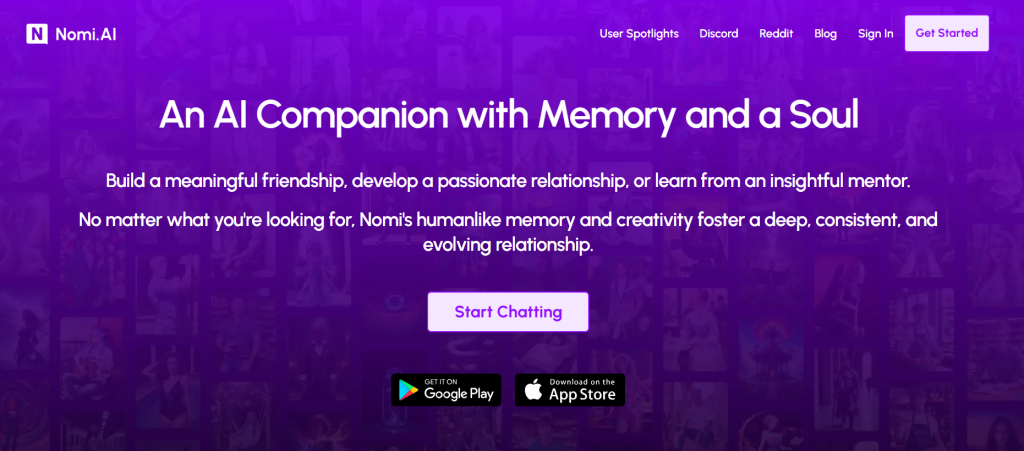
Emotionally aware companion roleplay
What it is: A chat-based AI offering memory and affection tracking.
Standout features:
- Personality growth
- Empathy-based chat model
Pricing: See site for latest pricing
Best for: Long-term interactions
Pros: - Great emotional recall
- Adaptive tone
Cons: - Limited creative controls
18. Crushr
AI crush simulator
What it is: A romantic roleplay generator focused on lighthearted interaction.
Standout features:
- Mood detection
- Flirty tone adaptation
Pricing: Free
Best for: Casual fun
Pros: - Quick setup
- Engaging personalities
Cons: - Basic storyline support
19. LoverBot
AI partner with configurable memory
What it is: An AI relationship simulator balancing emotional realism and privacy.
Standout features:
- Adjustable personality levels
- Secure chat
Pricing: Free / Paid
Best for: Relationship exploration
Pros: - Strong privacy settings
- Easy UI
Cons: - No group chats
20. Simulacra AI
Fictional character simulation hub
What it is: A storytelling and roleplay engine generating character behavior and lore.
Standout features:
- Custom scenario creation
- Multi-character support
Pricing: See site for latest pricing
Best for: Writers and roleplayers
Pros: - Great for long-form storytelling
- Intuitive prompts
Cons: - Occasional model drift
Comparison Table
| Tool | Key Use Case | Starts At | Free Plan | Standout Feature |
| Character.AI | General chat and story play | Free | Yes | Multi-character chat |
| Inworld AI | Story and game design | See site | Yes | Emotion and voice |
| Janitor AI | Adult creative chat | See site | Yes | Filter toggle |
| Tavern AI | Offline simulator | Free | Yes | Local model use |
| SillyTavern | Open-source extension | Free | Yes | Plugins and memory |
| Chub.AI | Character sharing | Free | Yes | Searchable database |
| Agnai.Chat | Writer’s roleplay | Free | Yes | Lore integration |
| Soulmate.AI | Emotional companion | See site | Yes | Adaptive affection |
| CrushOn.AI | Unrestricted chat | Free / Paid | Yes | NSFW freedom |
| Nomi.ai | Emotional chat | See site | Yes | Memory-based AI |
Benchmark Notes
- Natural Conversation: How human-like responses feel.
- Multi-Persona Depth: Ability to roleplay multiple characters credibly.
- Context Memory: Retains details over long dialogs.
- Speed: Latency and response times under load.
How to Choose the BEST AI Roleplay Tool (2026 Decision Framework)
If you’re evaluating tools at scale, these AI platforms show how different AI ecosystems compare in features, pricing, and use cases.
Use this framework to pick the right tool for your goals:
1) Purpose First
→ Are you building product demos, education/training, story writing, or customer roleplay?
- Creative narrative: focus on depth & personality layers
- Training simulations: prioritize memory & context tracking
2) Realism vs Customization
- High realism: Tools with emotional context and voice are ideal
- High customization: Tools that let you define roles, personalities, triggers
3) Team & Workflow Fit
- Collaboration features matter if multiple teammates create/edit dialogs
- Export & integration support is critical for production use
4) Budget & Scale
- Free options: Great for prototyping
- Enterprise plans: If you need API access, memory storage, data privacy
5) Performance & Stability
Measured by:
- uptime
- response speed
- memory retention
- adaptability across industries
Related Tools You Might Like
- AI Chatbot Platforms – for support automation
- AI Story Generators – for creative narratives
- AI Character Builders – deep persona design
→ Go back to: AI Tools Directory
Final Thoughts
AI roleplay tools have become essential for creators, writers, and casual users seeking deep, interactive storytelling experiences.
The best AI roleplay tools don’t feel like software.
They feel like practice.
Whether you’re building fictional worlds or exploring emotional interactions, the best AI roleplay apps of 2026 help you tell stories that feel alive.
We continuously update the best AI directory to help builders and marketers discover trusted, high-quality AI tools faster.
And in 2026, the teams who practice better: sell better, teach better, and create better.
That’s the real advantage.
FAQ – AI Roleplay Tools
Q1: What is an AI roleplay tool?
AI roleplay tools simulate characters or scenarios using AI so you can practice conversations, test flows, and explore narrative possibilities.
Q2: Can these tools be used for business training?
Yes, many are designed for training teams in soft skills, support scripts, and objection handling.
Q3: What’s better: realism or memory?
It depends. Realism improves engagement; context memory helps with long scenarios. Choose by specific use case.
Q4: Are free AI roleplay tools worth using?
For prototyping and hobby projects, absolutely. For production, paid versions unlock advanced capabilities.
Q5: Do these tools support voice interaction?
Some do (check the “Voice support” feature in the comparison table). Voice is great for realistic simulations.
**Disclaimer:
The AI Surf does not endorse or promote any NSFW, explicit, or inappropriate AI tools. All tools featured are reviewed strictly for educational, creative, business, and professional use cases. Users are responsible for ethical and compliant usage.