


Top 5 AI Tools for Academic Writing, Blogging, and Content Creation
- Writing & Editing
- March 26, 2026
- No Comments
AI writing tools have made it very fast and convenient to create content.
You can generate any kind of content, including essays, blog posts, reports, captions, product descriptions, and emails in a matter of minutes.
But this speed comes with a trade-off. The output of AI writing tools sounds robotic. It’s too predictable, generic, and just feels… off.
AI tools rewrite content to make it sound natural. They adjust the text’s sentence structure and flow and reduce repetitive patterns that give it the AI-wish feel, while keeping the original meaning intact.
An AI course can help beginners build foundational knowledge, understand core AI concepts, and develop practical skills for using AI effectively.
For students, bloggers, and content creators, this step has become part of the workflow. You generate the draft. Then you refine it.
Below are five AI tools that are commonly used for academic writing, blogging, and general content creation.

1. ParaphraseTool.ai – Simple and Focused
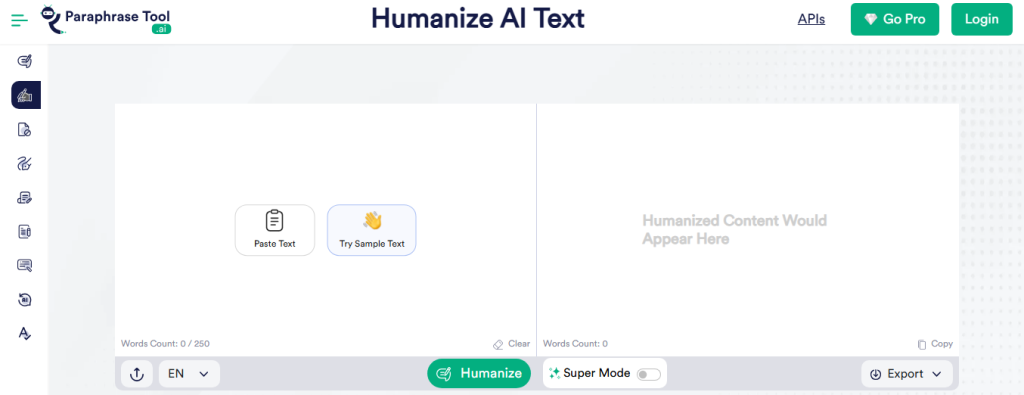
ParaphraseTool.ai is one of the most straightforward tools available.
It focuses on just one job: rewriting AI-written text to make it natural to read. The interface is also clean, which makes it easy-to-use for beginners:
- You paste your content.
- Click the button.
- The tool humanizes the AI text.
The tool mainly works by:
- restructuring sentences
- replacing rigid phrasing
- improving paragraph flow
It doesn’t try to be overly complex. That simplicity makes it useful for quick edits, especially when working on blog drafts or short academic responses.
For users who just want to humanize AI text without dealing with too many settings, this tool is a practical option.
2. Undetectable AI – For Detection-Focused Writing
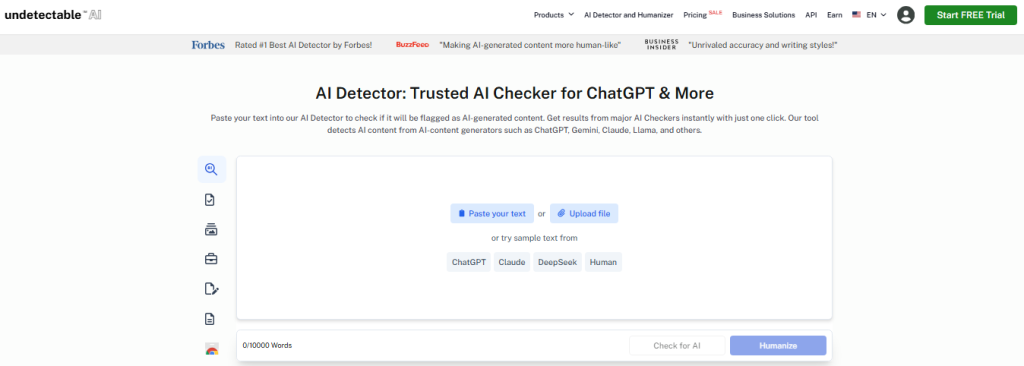
Undetectable AI is designed with a slightly different goal.
It evaluates how likely your content is to be flagged as AI-generated, in addition to rewriting text. This dual functionality makes it popular among writers who need to refine both tone and structure.
The rewriting process focuses on:
- breaking repetitive sentence patterns
- adjusting wording for natural flow
- improving readability
So users can test and refine content in one place because it includes a detection component.
This makes it useful for lengthy blog posts, academic writing, and marketing content that needs some refinement to look natural.
3. WriteHuman – Best for Natural Tone
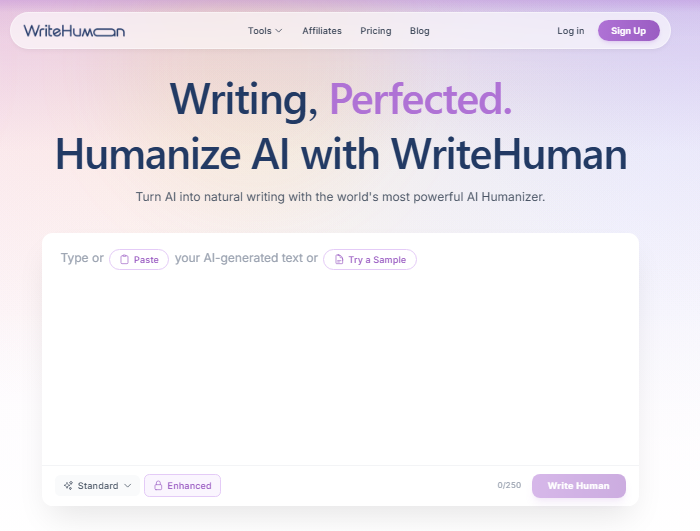
WriteHuman focuses heavily on tone and readability.
It works on how the text sounds when read instead of just replacing words. It introduces variation in sentence length and structure, which reduces the robotic feel of AI writing.
This is important because human writing isn’t uniform.
Some sentences are short. Others are longer and more detailed. This variation creates a natural rhythm that many AI tools struggle to replicate.
WriteHuman is particularly useful for:
- blog articles
- storytelling content
- opinion pieces
WriteHuman can help bring your content closer to a conversational tone if it feels too formal.
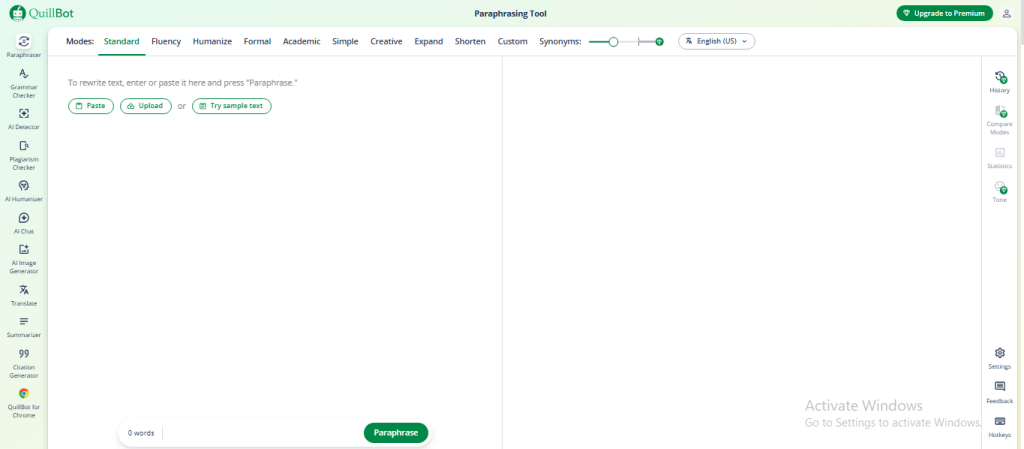
4. QuillBot – Flexible Paraphrasing Modes
Quillbot is a multi-purpose paraphrasing tool.
Though it’s known for paraphrasing mainly, it also offers an AI text humanizer.
Students often use QuillBot for academic writing, while bloggers use it to fine tune their drafts and improve clarity.
It’s not mainly a humanizer itself but its humanizer feature offers you reliable paraphrasing if your goal is to make it sound natural.
5. StealthGPT – For Long-Form Content
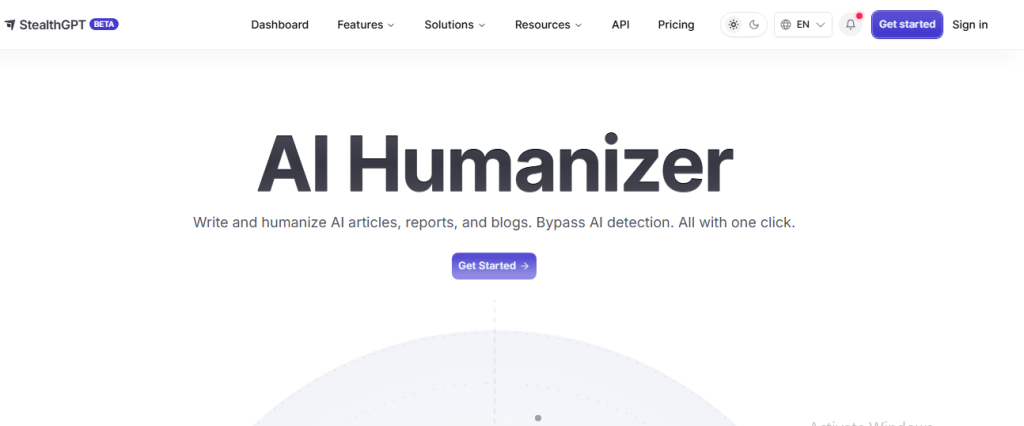
StealthGPT is designed for handling larger pieces of content.
Some tools work well for short paragraphs but struggle with long articles. StealthGPT focuses on maintaining consistency across longer drafts.
You can input full articles and receive a rewritten version that:
- keeps the original meaning
- improves readability
- reduces repetition
This makes it useful for:
- research papers
- long blog posts
- detailed reports
Writers who work on large projects prefer tools like this because they reduce the need to edit the text manually, which can sometimes be taxing.
How to Choose the Right Tool
Different humanizer tools work differently.
Some focus on quick rewriting while others focus on improving tone. Choosing the right one depends on your needs.
Here are a few factors to consider:
- Content type
Academic writing may require a more formal tone, while blogs need a conversational style. - Content length
Short drafts can be handled by simple tools. Longer content may require more advanced platforms. - Editing control
Tools with multiple modes offer more flexibility. - Ease of use
If you need quick results, simpler interfaces are often better.
Understanding these factors helps you choose a tool that’s suitable for your workflow.
Conclusion
AI tools have made it convenient to write content. If a draft took hours before, you can now write it in a few minutes.
But AI drafts sound robotic initially and need humanizing before you can publish them.
An easy way to humanize is using AI humanizing tools. These tools help AI’s predictable text into writing that’s natural and engaging to read.
Using these tools can speed up your workflow a lot, whether you’re a student writing essays, a blogger who creates blog content daily, or a content creator who needs assistance in humanizing AI-written texts.
AI courses for beginners make it easier to understand core concepts, explore practical applications, and build confidence using AI in everyday work.