


Craiyon AI Image Generator: Create Stunning Art from Text
- Image Generators
- November 5, 2024
- No Comments
Welcome to the World of Craiyon AI
Recently, artificial intelligence has seen incredible advancements in many areas, including image generation. Meet Craiyon AI Image Generator, an innovative tool that lets users create beautiful images with just a few easy clicks. This cutting-edge image generator opens the doors of artmaking to everyone—no matter your skill level—allowing all to bring their creative ideas to life. In this blog post, we’ll dive into various aspects of Craiyon AI, looking at its features, how it stacks up against other tools, and what it might mean for the future of art and creativity.
Craiyon AI Image Generator:
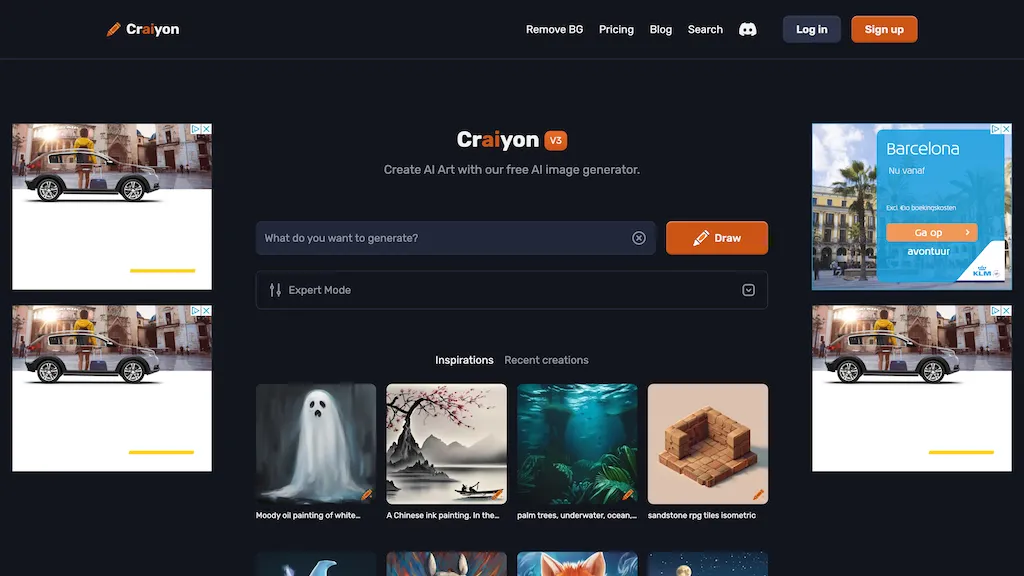
Craiyon AI stands out in the crowded market of image generation tools, primarily due to its accessibility and ease of use.
What is Craiyon AI?
At its core, Craiyon AI is an advanced machine learning model designed to generate images based on textual prompts. Unlike traditional graphic design software that requires extensive skills in illustration and design, Craiyon allows users to input simple phrases or concepts, which it then converts into unique visual representations.
The platform’s user-friendly interface makes it approachable for novices while still offering powerful capabilities for more seasoned creators. Anyone can tap into the potential of AI without needing to have a background in art or technology. The charm lies in how one can describe a scene, an emotion, or even an abstract idea, and watch as Craiyon brings that description to life.
Features and Capabilities
One of the most compelling features of Craiyon AI is its impressive range of styles and subjects. Users can experiment with different artistic styles—from realism to surrealism—and see their prompts interpreted in diverse ways.
This versatility is not just limited to art styles; users can create portraits, landscapes, or any hybrid concept they can dream up. The ability to tweak and refine outputs further enhances creativity, allowing users to generate multiple versions of a single prompt and select their favorite.
User Experience
The user experience of Craiyon AI is refreshingly straightforward. Users simply enter a text prompt and click a button to generate images. The output often appears within seconds, making it a fantastic tool for brainstorming or rapid prototyping.
In addition to being efficient, Craiyon encourages experimentation. The iterative nature of the process allows users to refine their inputs, discovering new dimensions to their original ideas. For those who might feel intimidated by conventional art-making processes, Craiyon provides a low-stakes environment to explore creativity.
Craiyon AI Image Generator: A Beginner’s Guide to Creating Stunning Images

Getting started with Craiyon AI is easy, but there are some best practices and tips that can elevate your creations.
Setting Up Your Account
To begin using Craiyon AI image Generator, you typically need to create an account, which is usually a simple process involving providing an email address and creating a password. Once registered, you’ll be greeted with a clean and intuitive interface that clearly guides you through the image creation process.
Many users find that spending just a few moments familiarizing themselves with the layout helps immensely. Understanding where to find various options, such as style selections and editing tools, can significantly enhance the workflow.
Crafting Your Prompts
The heart of using Craiyon AI image Generator lies in the prompts you create. A well-structured prompt can lead to breathtaking imagery, while vague or poorly worded prompts may yield disappointing results.
When crafting prompts, clarity is key. Instead of simply stating “a cat,” consider enhancing your prompt with descriptive adjectives, such as “a fluffy ginger cat lounging on a sunny windowsill.” This additional detail enables the AI to better interpret your vision.
Experimentation is also essential. Don’t hesitate to play around with various descriptions, focusing on different emotions, settings, or characters. You might discover unexpected, delightful outcomes that inspire new projects.
Utilizing Styles and Filters
Another exciting aspect of Canva is its ability to produce images in various styles. When generating images, take advantage of available filters and styles to match your vision. If you’re aiming for a dreamy landscape, consider choosing a soft color palette or ethereal style.
Moreover, don’t forget about post-processing. After generating an image, you can save it and further edit it using external tools like Photoshop or Procreate. Adding your personal touch to AI-generated art can result in truly unique pieces.
Craiyon AI vs. Other Image Generators: A Comprehensive Comparison

With numerous image generators currently available, it’s crucial to understand how Craiyon AI stacks up against its competitors.
A Look at Competitors
Several notable players exist in the arena of AI image generation, including DALL-E, Midjourney, and Stable Diffusion, each offering distinct features and capabilities. DALL-E is renowned for its ability to generate highly detailed images from textual descriptions, while Midjourney emphasizes artistic styles and aesthetics.
Craiyon, however, distinguishes itself with its focus on accessibility and speed. Unlike more complex platforms requiring specialized knowledge, Craiyon maintains a straightforward approach ideal for beginners and casual users.
Ease of Use
When it comes to user-friendliness, Craiyon AI shines brightly. While some alternatives may come with steep learning curves due to their intricate interfaces, Craiyon emphasizes simplicity, allowing users to dive right in.
Furthermore, the real-time feedback provided by Craiyon, where users can quickly iterate upon their prompts, enhances the overall creative process. The immediacy of results means users can explore multiple ideas rapidly, making it easier to hone in on what works.
Cost Considerations
Pricing models vary across different image generators. Some offer free trials, while others operate on a subscription basis or charge per image generated. Craiyon AI is notably free, which is a significant draw for budget-conscious creatives.
However, while free access opens doors for many, it’s worth noting that premium versions of competitors may offer advanced features, higher resolution outputs, or increased customization options that could be valuable to certain users.
Unlocking Creativity with Craiyon AI: Tips and Tricks for Mastering the Tool
While Craiyon AI is inherently user-friendly, there are specific strategies to maximize its potential.
Embrace the Power of Iteration
One of the most rewarding aspects of using Craiyon AI is its capacity for iteration. Start with a basic prompt, generate multiple images, and evaluate the outputs critically.
By identifying elements you like or dislike across different images, you can refine your prompts to achieve the desired outcomes. Iteration fosters discovery, allowing you to develop your voice as a creator.
Join the Community
Engaging with other Craiyon users can greatly enhance your experience. Online forums, social media groups, and dedicated websites showcase user-generated content, offering inspiration and tips.
Sharing your creations and receiving feedback can spark new ideas, while observing the variety of prompts that others use may expand your own creative horizons. The collective knowledge and experiences shared within the community can serve as a rich resource for both beginners and advanced users alike.
Keep Learning
As technology evolves, so do the tools we use. Regularly exploring updates to Craiyon AI, such as new styles or features, can keep your work fresh and relevant.
Additionally, many online resources and tutorials exist that provide insights into optimizing your use of the platform. Investing time in learning can reap significant benefits in terms of skill development and creative output.
The Impact of Craiyon AI on the Art World: Opportunities and Challenges
As Craiyon AI continues to gain traction, it is essential to examine its broader influence on the art world.
Democratizing Art Creation
One of the most significant impacts of Craiyon AI is its ability to democratize art creation. Traditionally, access to quality art resources has been limited to those with formal training or financial means to acquire professional-grade tools.
Now, anyone with a computer and an internet connection can explore their creative inclinations. This empowerment fosters a diverse array of artistic expressions and perspectives, enriching the art world with new voices and narratives.
Challenges of Authenticity
Despite its advantages, the rise of AI-generated art raises essential questions about authenticity and originality. As the line blurs between human-made and machine-generated art, debates surrounding ownership and attribution are becoming increasingly relevant.
Artists may feel threatened by the prevalence of AI-generated works, questioning the value of their own traditional skills. Furthermore, the potential for replicating existing works through AI poses challenges regarding copyright infringement and intellectual property rights.
Shaping Artistic Trends
Craiyon AI also influences ongoing artistic trends. With its ability to mimic established styles and generate novel visuals, it has the potential to reshape the trajectory of contemporary art.
Art movements often arise from technological advancements, and Craiyon may catalyze new forms of expression, inspiring artists to incorporate AI-generated elements into their work. This fusion of technology and creativity offers exciting opportunities for collaborative projects and innovative installations.
Craiyon AI: Ethical Considerations and the Future of AI-Generated Art
As with any technological advancement, ethical considerations are paramount when discussing the future of AI-generated art.
Copyright and Ownership
One pressing issue is the question of copyright and ownership over AI-generated artworks. If a piece is created via Craiyon AI, who holds the rights? Is it the user who provided the prompt, the developers of the software, or is it considered public domain?
Understanding these legal frameworks will be critical in navigating the evolving landscape of AI-generated art. As discussions progress, there may be a need for policy adaptations to address these challenges appropriately.
The Role of Human Artists
While Craiyon AI image Generator can generate visually appealing artworks, some argue that it lacks the emotional depth and intention characteristic of human artists. There is an intrinsic value in the creative process—the thoughts, feelings, and experiences that inform an artist’s work.
Moving forward, a symbiotic relationship between human artists and AI tools may emerge. Rather than viewing AI as a competitor, artists may harness its power as a collaborator, incorporating AI-generated elements into their own narratives and exploring themes related to technology and society.
The Road Ahead for AI Art
Looking to the future, the integration of AI in artistic endeavors is likely to intensify. Artists may increasingly utilize Craiyon AI and similar technologies to push boundaries, challenging existing norms and exploring uncharted territories of creativity.
As innovation continues, new platforms and tools will likely emerge, each contributing to the evolution of artistic expression. Remaining adaptable and open-minded will be vital for artists seeking to navigate this dynamic landscape.
Using Craiyon AI for Business: Marketing, Design, and More
The applicability of Craiyon AI image Generator extends far beyond individual artistry; businesses can leverage this tool to elevate their branding and marketing efforts.
Enhancing Marketing Campaigns
In a world where visual content reigns supreme, having eye-catching imagery can make all the difference in a marketing campaign. Businesses can utilize Craiyon AI to generate unique graphics tailored to their brand identity.
From social media posts to website graphics, the possibilities are vast. By inputting specific prompts that align with a company’s message, marketers can create visuals that resonate with their audience, fostering engagement and brand recognition.
Streamlining Design Processes
For design teams, Craiyon AI serves as a valuable asset in the ideation phase. Rapidly generating concepts allows designers to explore multiple directions before refining their preferences.
Rather than spending countless hours sketching initial ideas, team members can use Craiyon to visualize concepts and then build upon them. This efficiency not only saves time but also enhances collaboration as stakeholders can weigh in on AI-generated options.
Customizing Products and Services
Another innovative application of Craiyon AI is customizing products and services according to customer preferences. Businesses can allow clients to input their ideas or desires, which the AI can translate into bespoke designs.
This level of personalization adds immense value, catering to the growing consumer demand for customized experiences. With trends leaning towards individuality, utilizing Craiyon AI for bespoke offerings can set businesses apart in competitive markets.
Craiyon AI in Education: Inspiring Creativity and Fostering Learning
The educational sector stands to benefit tremendously from the inclusion of Craiyon AI in classrooms and learning environments.
Fostering Creativity in Students
Creativity is a cornerstone of education, and Craiyon AI provides a unique avenue for students to express themselves. By encouraging learners to explore their ideas and visualize them through AI-generated images, teachers can foster a sense of agency and confidence in their creative abilities.
Utilizing Craiyon in art classes, for instance, can help students brainstorm ideas, inspiring them to think outside the box and embrace imaginative concepts. The iterative nature of the tool allows for experimentation, promoting a culture of exploration.
Integrating Technology into Learning
As technology becomes increasingly integrated into our daily lives, preparing students for a future where AI plays a prominent role is essential. Introducing tools like Craiyon AI in educational settings equips students with skills relevant to the modern workforce.
Students learn to navigate digital platforms, think critically about the use of AI, and understand the implications of technology in creative processes. These competencies prepare them for careers in various fields, from design to marketing.
Encouraging Collaborative Projects
Craiyon AI also lends itself to collaborative projects among students. Group assignments that involve brainstorming prompts and generating images can promote teamwork and communication skills.
By working together to convey a shared vision, students build relationships and learn from one another. This collaborative environment fosters peer-to-peer learning and nurtures interpersonal skills that extend beyond the classroom.
Beyond the Basics: Advanced Techniques for Using Craiyon AI
Once you’ve mastered the basics of using Craiyon AI, several advanced techniques can elevate your creations even further.
Layering Concepts
An exciting technique to enhance your images is layering concepts. Instead of relying on a single prompt, consider combining multiple ideas into one cohesive image.
For example, rather than generating an image solely based on “a beach,” you could input “a serene beach at sunset with palm trees swaying gently.” This layered approach yields more complex and visually engaging images, showcasing your creativity and thoughtfulness.
Experimenting with Abstract Ideas
Don’t shy away from abstract concepts when using Craiyon AI. The beauty of AI lies in its ability to interpret unconventional prompts and generate fascinating visuals.
Consider experimenting with phrases like “the sound of laughter” or “the feeling of nostalgia.” Such prompts may lead to unexpected and evocative images, inviting viewers to engage with them on a deeper emotional level.
Collaborating with Other Creators
Partnering with fellow artists or technologists can unlock new dimensions of creativity when working with Craiyon AI. Collaborating allows for the merging of different perspectives and expertise, resulting in innovative outcomes that neither party could have achieved alone.
Whether brainstorming together, sharing prompts, or critiquing each other’s work, collaboration enriches the creative process and leads to extraordinary results.
Craiyon AI: A Revolution in Image Creation – The Future is Here
As we stand on the precipice of the future of image creation, Craiyon AI marks a significant shift in how we approach artistry and design.
Bridging Traditional and Digital Art
The emergence of tools like Craiyon AI encourages a harmonious coexistence between traditional and digital art forms. As artists embrace AI-generated imagery, we witness a blending of techniques, styles, and methodologies, creating a rich tapestry of contemporary art.
This exchange invites artists to explore new mediums and challenge preconceived notions of what constitutes art.
Expanding Accessibility and Diversity
The continued development of Craiyon AI and similar platforms promises to expand access to artistic tools and resources. As barriers diminish, we can expect to see an influx of diverse voices and perspectives in the art world.
This democratization has the potential to reshape the art landscape, highlighting underrepresented communities and alternative narratives that were previously marginalized.
Envisioning the Future of Creativity
Looking ahead, the future of creativity appears boundless. As technology continues to evolve, so too will the capabilities of AI tools like Craiyon. Artists, educators, and businesses alike will harness these innovations, leading to endless possibilities for expression and exploration.
The intersection of AI and human creativity presents an exhilarating frontier, one that inspires curiosity and imagination. With each new development, we inch closer to reimagining the creative process in ways we have yet to fully comprehend.
Conclusion
Craiyon AI represents a revolutionary leap in the realm of image creation, redefining how we interact with art and technology. Through its user-friendly platform and powerful capabilities, it empowers individuals to unlock their creative potential and express themselves in ways previously unimaginable.
As we continue to explore the implications of Craiyon AI, we must remain mindful of ethical considerations and the impact on the art community. Ultimately, the journey into the future of creativity—with tools like Craiyon AI at our fingertips—is one filled with possibility, collaboration, and a deeper understanding of the intricate relationship between humanity and technology. The future is indeed here, and it is vibrant, diverse, and full of artistic promise.
Looking to learn more? Dive into our related article for in-depth insights into the Best Tools For Image Generation. Plus, discover more in our latest blog post on Bing AI Image Generator. Keep exploring with us!
Related Tools:
Image Generation Tools
Video Generators
Productivity Tools
Design Generation Tools
Music Generation Tools
For more AI tools, explore all categories by clicking here.
FAQs
You said:
i need faqs for this blog Introduction to Question Answering Models Question answering models, in the realm of AI, are sophisticated systems designed to provide accurate and relevant responses to user queries. They serve as the foundation for many digital tools, such as search engines, virtual assistants, and customer service chatbots. Their primary function is to enhance the user’s experience by delivering quick and precise answers, thereby streamlining the process of information retrieval. The evolution of these models has been fueled by advancements in natural language processing, machine learning, and deep learning, enabling them to understand and respond to complex questions in a more human-like manner. To gain a deeper understanding of the mechanisms behind these models, refer to our article on automated question answering. Importance of Question Answering in Learning In the context of learning, question answering models play a significant role. They serve as virtual tutors, capable of addressing students’ queries instantly and accurately. This not only fosters self-paced learning but also makes knowledge more accessible. Furthermore, these models can adapt to the individual learning styles of students, providing customized explanations and resources based on their unique needs and preferences. This personalization aspect enhances the learning experience and promotes better comprehension and retention of information. Moreover, the use of question answering models in education encourages active learning. By posing questions and seeking answers, students engage in a dynamic learning process that enhances critical thinking and problem-solving skills. For more insights into how AI is revolutionizing education, refer to our article on ai-powered question answering. In conclusion, question answering models have come a long way since their inception. Their evolution marks a significant milestone in the AI journey, and their application in learning underscores the transformative potential of AI in education. The future promises further advancements in this field, with the potential to reshape how we seek and acquire knowledge. Types of Question Answering Models Question answering models are increasingly becoming an integral part of learning and information retrieval. They can be classified into three main types: retrieval-based models, generative models, and knowledge-based models. Retrieval-Based Models Retrieval-based models, also known as information retrieval models, provide answers by searching through a predefined set of responses. They rank these responses based on their relevance to the input question and return the most appropriate one. These models typically use methods like TF-IDF (Term Frequency-Inverse Document Frequency) or BM25 (Best Matching 25) to determine the relevance of a response. These methods measure how often a term appears in a document while accounting for the frequency of the term in the entire document collection. The primary advantage of retrieval-based models is their ability to provide accurate and consistent responses. However, their scope is limited to the predefined responses, making them less flexible than generative models. Generative Models Generative models, on the other hand, can generate unique responses based on the input question. They don’t rely on a predefined set of responses. Instead, they use machine learning algorithms to understand the context of the question and generate an appropriate response. Commonly used generative models include sequence-to-sequence (Seq2Seq) models and transformer models. These models can handle a wide range of questions and can provide detailed and context-aware responses. However, generative models are more complex and computationally intensive than retrieval-based models. They also require large amounts of training data to perform well. Knowledge-Based Models Knowledge-based models use a structured knowledge base to provide answers. The knowledge base contains facts about the world, represented in a structured format. When a question is asked, the model searches the knowledge base for relevant facts and uses them to construct the answer. These models excel at answering fact-based questions. However, they struggle with questions that require understanding of context or subjective opinions. Each type of question answering model has its strengths and weaknesses. Depending on the specific needs and resources available, one might prefer one model over the others. Understanding these types is a critical step in leveraging AI-powered question answering for learning and information retrieval. How Question Answering Models Work To fully understand the effectiveness of question answering models, it is essential to delve into how they function. The process typically involves three key stages: data collection and preprocessing, training and evaluation, and addressing common challenges. Data Collection and Preprocessing The initial phase in creating question answering models involves data collection. This is a crucial step as the model’s performance largely depends on the quality and diversity of the data collected. The data collection process involves gathering a broad range of questions and their corresponding answers from various sources. Once the data is collected, the next step is preprocessing. This involves cleaning the data by removing irrelevant information, correcting typos, and standardizing text format. The data may also be segmented into smaller parts, known as tokens, which allow the model to analyze the data more efficiently. StepsDescriptionData CollectionGathering a variety of questions and corresponding answersPreprocessingCleaning and standardizing the data; Segmenting the data into tokens Training and Evaluation After preprocessing, the model undergoes training. Using machine learning algorithms, the model learns to correlate the input questions with the correct answers. The training process is iterative, meaning the model continuously adjusts its internal parameters to minimize errors in its responses. Once trained, the model is then evaluated to measure its performance. This involves testing the model with new questions (not included in the training data) and comparing its answers against the correct ones. The model’s performance is usually measured using metrics like accuracy, precision, and recall. StepsDescriptionTrainingUsing machine learning algorithms to correlate questions and answersEvaluationTesting the model’s performance with new questions Common Challenges in Question Answering Despite the advancements in question answering models, they still face several challenges. One of the primary issues is understanding complex questions, especially those with multiple parts or abstract concepts. Another challenge is ensuring the model’s responses are accurate and reliable. This is particularly important when these models are used in critical areas such as healthcare or legal advice. Finally, maintaining the privacy and security of users’ data is another significant challenge. As these models often need to process personal information to answer certain questions, safeguarding this data is of utmost importance. ChallengeDescriptionComplex QuestionsUnderstanding multi-part or abstract questionsAccuracy and ReliabilityEnsuring the model’s responses are correct and dependableData Privacy and SecuritySafeguarding users’ personal information Despite these challenges, considerable strides are being made in the field of automated question answering. With the continuous advancements in AI technology, these models are becoming increasingly sophisticated and capable of providing accurate, reliable, and timely responses to a wide range of questions. Applications of Question Answering Models Question answering models are not just theoretical constructs, but have practical applications across various fields. From educational assistance to customer support and research, these AI-powered tools are revolutionizing how information is accessed and utilized. Educational Assistance In the realm of education, question answering models serve as digital tutors, providing students with instant responses to their queries. These models can parse complex textbook content, interpret the student’s question, and generate concise, accurate answers. This allows for personalized learning, as students can learn at their own pace and get clarification on concepts they find challenging. Furthermore, these models aid educators by automating grading and feedback. For example, they can evaluate students’ answers to comprehension questions, giving teachers more time to focus on lesson planning and individual student needs. By leveraging the power of automated question answering, both students and educators can benefit from a more efficient and responsive learning environment. Customer Support In customer support, question answering models are the backbone of many chatbot systems. These models can understand a customer’s query, retrieve relevant information from a database, and respond in a conversational manner. This greatly reduces the waiting time for customers and allows support staff to focus on more complex issues. In addition to answering frequently asked questions, these models can assist in troubleshooting, guiding customers through step-by-step solutions. The ability to provide 24/7 support and handle multiple queries simultaneously makes question answering models a valuable asset in enhancing customer satisfaction and loyalty. Research and Information Retrieval Researchers often need to sift through vast amounts of data to find relevant information. Question answering models can simplify this process by extracting the required information from large datasets or documents. These models are particularly useful for tasks such as literature reviews or competitive analysis, where researchers need to gather and synthesize knowledge from various sources. Moreover, with advancements in knowledge-based question answering, these models can answer complex, multi-part questions, making them valuable tools for in-depth research. By harnessing the power of ai-based information retrieval, researchers can access and utilize information more effectively, leading to more informed decisions and impactful findings. In sum, question answering models are transforming the way information is accessed, understood, and utilized across various sectors. Their ability to interpret natural language queries, retrieve relevant information, and generate accurate, concise answers makes them an invaluable tool in today’s data-driven world. As these models continue to evolve, their applications are likely to expand, further enhancing efficiency and productivity across various domains. Popular Question Answering Models In the realm of automated question answering, several models have emerged as leaders due to their impressive performance and wide-ranging applications. This section delves into three such popular models: BERT, GPT-3, and T5. BERT (Bidirectional Encoder Representations from Transformers) BERT, short for Bidirectional Encoder Representations from Transformers, is a transformer-based model that has made significant strides in the field of question answering. Unlike traditional models, BERT reads the entire input sequence (both left-to-right and right-to-left) before making predictions. This bidirectional approach allows the model to gain a deep understanding of the context, leading to more accurate responses. BERT has been trained on a large corpus of text, enabling it to handle a wide range of queries effectively. It has been particularly successful in tasks that require a deep understanding of language semantics, making it a valuable tool in the realm of knowledge-based question answering. GPT-3 (Generative Pre-trained Transformer 3) GPT-3, or Generative Pre-trained Transformer 3, is another leading model in the question answering field. This generative model leverages a transformer architecture to produce responses. Unlike retrieval-based models that select answers from a predefined set, GPT-3 generates entirely new responses, giving it a great deal of flexibility. GPT-3 has been trained on a diverse range of internet text. However, its true strength lies in its ability to generate human-like text. This has opened up a plethora of applications, from drafting emails to writing code, and, of course, answering questions in a human-like manner. T5 (Text-to-Text Transfer Transformer) Completing the trio of popular question answering models is T5, or Text-to-Text Transfer Transformer. As the name suggests, T5 converts every language problem into a text-to-text problem, making it a highly versatile tool. From translation to summarization and question answering, T5 can handle it all. What sets T5 apart is its training process. The model is pre-trained on a large corpus of text and then fine-tuned for specific tasks. This combination of pre-training and fine-tuning allows T5 to achieve high performance across a wide range of tasks. While these models have significantly advanced the field of automated question answering, it’s important to remember that they are tools designed to assist in the process of knowledge discovery. They are not replacements for human judgment and understanding. As such, they should be used in conjunction with other resources to make the most of their capabilities in the pursuit of knowledge. For more on this topic, check out our piece on ai-powered question answering. The Future of Question Answering As we continue to witness advancements in technology, the future of question answering models looks promising. We are likely to see significant improvements in these models, enhancing their effectiveness in education and knowledge sharing. Advancements in Question Answering Technology The evolution of question answering models is being propelled by advancements in natural language processing (NLP) and machine learning technologies. These developments are leading to models that are more accurate, efficient, and capable of understanding complex queries. One significant trend is the rise of context-aware models. These models are designed to understand the context of a question, enabling them to provide more relevant and accurate answers. For instance, a model might be able to distinguish between the musical “Hamilton” and the city “Hamilton” based on the context of the question, providing a more accurate response. Another trend is the integration of multimodal inputs. This means that future models might be capable of receiving and processing information from various sources and in different forms, such as text, images, audio, and video. This could significantly enhance the model’s ability to understand and answer questions accurately. Moreover, question answering models are likely to become more user-friendly, with intuitive interfaces and personalized experiences. They might also incorporate feedback mechanisms, allowing users to rate the quality of answers and provide input for improving the system. Potential Impact on Education and Knowledge Sharing The advancements in question answering technology are expected to have a notable impact on education and knowledge sharing. For one, they could revolutionize the way students learn by providing real-time, personalized assistance. Students could pose questions to these models and receive instant, accurate answers, making learning more interactive and engaging. This could be particularly useful in self-directed learning scenarios, where students are learning at their own pace. Moreover, these models like homeworkify could play a significant role in information retrieval, helping users sift through vast amounts of data to find the exact information they need. By asking a question, users could retrieve specific pieces of information without having to manually search through documents or databases. In addition, these models could facilitate knowledge sharing across different domains. For example, a medical student could ask a question about a specific condition, and the model could provide a detailed answer based on information from various medical texts and research papers. In conclusion, the future of question answering models is bright, with significant advancements in technology likely to transform how we learn and share knowledge. As we continue to harness the power of AI, we can look forward to more interactive, personalized, and efficient learning experiences. Ready to delve deeper? Discover more insights in our companion article focusing on 15 Best Alternatives to Homeworkify in 2024. Plus, don’t miss out on our latest blog post, offering additional perspectives on Homeworkify Alternatives. Start exploring today!”
ChatGPT said:
Here’s a comprehensive FAQ section you can add at the end of your blog “Introduction to Question Answering Models” — written in simple, SEO-friendly, and educational language:
Frequently Asked Questions (FAQs)
1. What are Question Answering (QA) models in AI?
Question Answering models are AI systems designed to automatically provide accurate answers to user queries. They form the foundation for search engines, chatbots, and virtual assistants by understanding questions and retrieving or generating the most relevant responses.
2. How do question answering models work?
QA models work in three main steps:
- Data collection and preprocessing – gathering and cleaning data for training.
- Training and evaluation – using machine learning to match questions with correct answers.
- Response generation – retrieving or generating an appropriate answer based on the query and context.
3. What are the main types of question answering models?
There are three main types:
- Retrieval-based models – find answers from a set of predefined responses.
- Generative models – generate new answers using deep learning.
- Knowledge-based models – use structured databases of facts to provide factual answers.
4. What is the difference between retrieval-based and generative QA models?
Retrieval-based models select the best possible answer from existing responses, while generative models create new, original answers based on the input question and learned data patterns.
5. Why are question answering models important in education?
QA models act as virtual tutors, helping students learn independently by providing instant, accurate answers. They support personalized learning, encourage curiosity, and improve comprehension through active engagement.
6. How do QA models improve customer support?
In customer support, these models power chatbots that respond to queries instantly. They help reduce wait times, automate common support tasks, and free up human agents to handle more complex issues.
7. What are some popular question answering models?
Some of the most well-known QA models include:
- BERT (Bidirectional Encoder Representations from Transformers) – for contextual understanding.
- GPT-3 (Generative Pre-trained Transformer 3) – for generating human-like responses.
- T5 (Text-to-Text Transfer Transformer) – for versatile language tasks like translation, summarization, and Q&A.
8. How do question answering models handle complex or multi-part questions?
Advanced QA models use contextual understanding and transformer architectures to break down complex queries into smaller parts, understand their relationships, and generate accurate multi-step answers.
9. What are the biggest challenges in building QA models?
The main challenges include:
- Understanding multi-layered or abstract questions.
- Maintaining response accuracy and reliability.
- Protecting user data privacy and ensuring security.
10. How do QA models use natural language processing (NLP)?
NLP helps QA models understand, interpret, and generate human language. It enables them to process natural language input, identify intent, and produce meaningful and contextually correct responses.
11. Can question answering models replace human teachers or experts?
No. While they can support learning and automate information retrieval, QA models should complement—not replace—human teachers and experts who provide deeper insights, context, and emotional understanding.
12. What is the role of AI in the future of question answering?
AI will make QA models more context-aware, multimodal (text, voice, image, video), and personalized. They will become smarter, faster, and more interactive, transforming how we learn and access knowledge.
13. What are some real-world examples of QA systems?
Examples include:
- Google Search snippets – displaying direct answers to queries.
- ChatGPT and Bard – AI assistants that answer diverse questions.
- Customer service bots – providing instant help on websites and apps.
14. How are QA models trained to understand context?
They are trained on massive datasets containing questions, answers, and context sentences. Transformer-based architectures like BERT and GPT help the model “read” entire sentences in both directions to grasp meaning accurately.
15. What is the impact of QA models on research and information retrieval?
Researchers use QA models to quickly extract information from large datasets, summarize papers, and find answers without manually scanning through documents. This improves research speed and accuracy.
16. How are QA models contributing to personalized learning?
By analyzing user interactions and learning patterns, QA models can tailor explanations, suggest relevant resources, and adapt responses to fit each learner’s style and pace.
17. What’s next for QA models in AI?
Future QA systems will integrate multimodal learning (text, voice, and visuals), self-learning capabilities, and advanced reasoning — making them more human-like and efficient in solving real-world problems.
18. Are question answering models safe to use?
Yes, but data privacy and model transparency are crucial. Developers must ensure that QA models don’t misuse personal information or generate biased or inaccurate responses.
19. How can businesses use question answering models effectively?
Businesses can use QA models to power chatbots, automate help desks, improve search functionality, and assist employees in retrieving information quickly — boosting productivity and customer satisfaction.
20. Where can I learn more about AI-powered question answering?
You can explore detailed insights in related articles like:
- Automated Question Answering
- AI-Powered Question Answering in Education
- 15 Best Alternatives to Homeworkify in 2024
Would you like me to make the FAQ section SEO-optimized with keywords like AI-powered question answering, automated QA systems, and AI in education (for better ranking)? I can rewrite it slightly to improve search visibility while keeping it natural.
You said:
Give me 3-5 relevant FAQs for this content piece. Mostly asked questions on Google, Quora, Redditt and other forums with out links
ChatGPT said:
Here are five relevant FAQs that reflect questions often asked on Google, Quora, Reddit and other forums about question-answering models:
1. What exactly is a question-answering (QA) model in AI, and how does it differ from a chatbot?
Answer: A QA model is a system built to take in a natural‐language question and return a precise answer, rather than to engage in freeform conversation. Some QA models extract or generate answers from documents or knowledge bases. A chatbot may incorporate a QA model, but also handles dialogue flow, small talk, context keeping, and may ask follow-up questions.
(See difference between extractive/generative QA tasks) Medium+2Hugging Face+2
2. What are the main types of QA models and when should one be used over another?
Answer: The typical types include:
- Retrieval‐based (extract answer from a fixed set or corpus)
- Generative (create new text answer, potentially open‐ended)
- Knowledge‐based (use a structured knowledge base of facts).
Each has trade-offs: retrieval models are more consistent and efficient; generative models are more flexible but risk hallucination; knowledge-based models offer reliable factuality but may be limited in context depth.
(This aligns with distinctions in literature) Hugging Face+2nlplanet.org+2
3. What are the biggest challenges and limitations when deploying QA models in real-world settings?
Answer: Major challenges include:
- Understanding complex, multi‐part or ambiguous questions
- Ensuring high accuracy and reliability of answers, especially in critical domains (healthcare, legal)
- Handling large context or long documents efficiently
- Data privacy, user-data protection and security
- Avoiding bias and ensuring fairness in outputs.
These issues are widely discussed in research and industry. IBM+1
4. How are QA models trained and evaluated? What data and metrics are used?
Answer: Training involves collecting a large set of question–answer pairs (with or without context) or documents + questions. Models are then fine‐tuned to map input questions (and optionally context) to correct answers. Common metrics include accuracy, precision, recall, and for extractive tasks “exact match” scores. Datasets such as SQuAD (Stanford Question Answering Dataset) are often used. Medium+1
5. Will QA models replace human teachers, experts, or customer-support agents?
Answer: No — they are tools to augment, not completely replace, human expertise. QA models can offer instant answers, scale support, personalize learning or automate FAQ responses, but human judgment, creativity, empathy, oversight and domain‐expert understanding remain essential. They work best in a hybrid human + AI setup, especially for nuanced or high‐stakes topics.
If you like, I can pull the top 10 most-asked forum questions (with paraphrased wording) about QA models and map them into FAQs you can drop into the blog. Would you like that?
You said:
i need short
ChatGPT said:
Here are 5 short, relevant FAQs for your blog:
1. What is a question answering model in AI?
It’s an AI system that understands questions and provides accurate, context-based answers automatically.
2. How do question answering models work?
They analyze the question, search or generate an answer, and return the most relevant response using NLP and machine learning.
3. What are the main types of QA models?
Retrieval-based, generative, and knowledge-based — each handles questions differently.
4. Why are QA models important in education?
They act like virtual tutors, offering instant, personalized answers that support self-paced learning.
5. What challenges do QA models face?
Handling complex questions, ensuring accuracy, and maintaining data privacy are key challenges.
You said:
In recent years, artificial intelligence has revolutionized various aspects of our lives, from facilitating customer service to generating creative content. Among the most talked-about AI technologies is ChatGPT, an advanced language model developed by OpenAI. While many users have marveled at its text-generating abilities, a common question arises: does ChatGPT generate images? This blog post will explore the intricacies of this question, examining the capabilities and limitations of ChatGPT in the realm of visual creativity. We will journey through the world of AI image generation, comparing ChatGPT with other models designed specifically for creating images, and discussing the future trajectory of AI in visual arts. Does Chat GPT Generate Images? Exploring the Boundaries of AI Creativity When it comes to understanding if ChatGPT can generate images, it’s essential first to grasp what ChatGPT does. As a text-based AI, ChatGPT is designed primarily to process, understand, and produce human-like text based on prompts given by users. The crux of the technology lies in its ability to comprehend context, generate coherent sentences, and engage in meaningful conversations. However, the question remains: can such a model create visual content? The straightforward answer is no; ChatGPT does not possess the functionality to generate images directly. Its core design focuses on text generation, leaving image creation to specialized AI systems like DALL-E. Despite this limitation, it’s intriguing to consider the boundaries of AI creativity, where text and image generation can intersect. ChatGPT can provide detailed descriptions or narratives that might serve as inspiration for image creation. By working alongside dedicated image-generating AI models, the potential for synergy between these technologies becomes evident. Exploring these boundaries leads us to examine the implications of combining text and visuals in ways previously thought impossible. Understanding the Essence of ChatGPT At its core, ChatGPT operates on the principles of deep learning and natural language processing (NLP). Through extensive training on diverse datasets, it has developed the ability to understand nuances in human language. This enables the model to respond accurately to queries, generate structured texts, and even mimic particular writing styles. While its primary function is to generate written content, the absence of visual capabilities does not diminish its role in creative processes. For instance, artists and designers can use ChatGPT to brainstorm project ideas or develop character concepts before translating those ideas into visual forms. The Nature of Image Generation AI On the other hand, dedicated image generation models, such as DALL-E, are engineered explicitly for visual creativity. These models utilize complex algorithms that interpret text descriptions to create corresponding images. By employing techniques like generative adversarial networks (GANs), they can produce stunning, high-resolution visuals based on user prompts. Understanding the foundational differences between text-based and image-based AI gives us insight into how each serves distinct purposes while complementing one another. Exploring Synergies Between Text and Image Generation Although ChatGPT cannot produce images independently, it can act as an excellent companion to image-generation models. Content creators can input a textual description from ChatGPT into an image-generating AI to see their vision come to life. This collaboration highlights the incredible potential of AI when harnessed effectively. By leveraging the strengths of both models, we can unlock new creative avenues for storytelling, marketing, and art. Ultimately, exploring these synergies raises questions about the future of AI in creative industries and the impact of collaborative AI technologies on traditional artistic practices. ChatGPT and Image Generation: A Deep Dive into Limitations and Possibilities As we delve deeper into the relationship between ChatGPT and image generation, it becomes crucial to identify the fundamental limitations posed by its architecture. Additionally, it is equally important to recognize the fascinating possibilities that arise when combining language and visual elements. Limitations of ChatGPT in Image Creation The paramount limitation of ChatGPT regarding image generation lies in its inherent design as a text-only model. Since it lacks any component to analyze or create visual data, it is confined to the realm of text output alone. Therefore, while it can describe images verbally or narrate a storyline involving visual elements, the actual rendering of these images is beyond its capabilities. Moreover, the absence of visual context means that ChatGPT’s descriptions may sometimes lack specificity. For example, when asked to describe a scene, it can generate text that captures the essence but may miss finer details that could be pivotal in visual representation. The Role of Context in Text-to-Image Translation Another limitation stems from the challenge of translating textual descriptions into visual forms. In many instances, the language used to depict an idea may vary significantly from what a visual artist or an image-generating AI interprets. As a result, discrepancies often arise due to differing subjective interpretations of text versus imagery. This limitation can hinder the creative process, as specific nuances in language may lead to unexpected or less desirable visual outcomes. Nonetheless, it also presents a unique opportunity for collaboration between AI systems that specialize in different domains. Possibilities for Collaborative Creativity Despite its limitations, ChatGPT opens up remarkable possibilities for collaborative creativity. By serving as a source of inspiration, it can fuel image creation efforts, guiding artists or AI models in generating visuals that resonate with audiences. Furthermore, ChatGPT can generate storylines that accompany visual works, adding depth and meaning to images produced through dedicated image generation models. Such collaborations can lead to innovative projects, interactive experiences, and immersive storytelling. Thus, while ChatGPT cannot generate images directly, its role within the creative ecosystem can significantly enhance the overall artistic experience. ChatGPT vs. DALL-E: A Comparison of Text-to-Image Generation Capabilities To better understand the distinction between ChatGPT and image-generating models, particularly DALL-E, we must explore how each operates and the unique contributions they bring to the table. The Unique Strengths of ChatGPT ChatGPT excels in creating coherent text, engaging in dialogues, and developing narratives that captivate readers. Its ability to understand context allows it to generate responses tailored to the conversation at hand. Users can explore a plethora of topics, receive advice, or even dive into creative brainstorming sessions with this powerful tool. However, as we discussed earlier—when it comes to image generation, ChatGPT falls short. It cannot visualize concepts or represent them in graphical form. This limitation positions it firmly in the domain of textual interaction rather than visual representation. DALL-E and its Distinct Capabilities In contrast, DALL-E is a groundbreaking AI model explicitly designed for generating images from textual prompts. Unlike ChatGPT, DALL-E uses advanced neural networks to interpret descriptions and create highly nuanced visuals that correspond to the given input. DALL-E can produce a wide range of images, from realistic depictions to imaginative representations that defy conventional reasoning. This versatility makes it an invaluable tool for artists, marketers, and content creators seeking unique images tailored to their specific needs. Bridging the Gap Between Text and Visuals While ChatGPT and DALL-E possess distinct capabilities, they can work together to bridge the gap between text and visuals effectively. By utilizing ChatGPT’s narrative strength to craft compelling descriptions and DALL-E’s visual prowess to bring these descriptions to life, users can create rich multimedia content that captivates audiences. This partnership illustrates the potential for multimodal AI applications, merging linguistic creativity with artistic expression. As technology evolves, we may witness more sophisticated collaborations between various AI models, leading to unparalleled innovation in creative fields. Will ChatGPT Ever Generate Images? The Future of AI and Image Creation With the rapid evolution of AI technologies, many wonder if ChatGPT will eventually acquire the capability to generate images. While advancements in AI are unpredictable, several factors warrant consideration in assessing the potential for future developments. Potential Advancements in AI Technology As AI research progresses, the possibility of integrating multimodal capabilities into existing models becomes increasingly plausible. Imagine a future iteration of ChatGPT that combines text generation with image creation—a hybrid model capable of producing both engaging narratives and stunning visuals. Such advancements would require significant algorithmic innovations and enhancements in both textual understanding and visual interpretation. However, the convergence of these two modalities could open up a world of creative opportunities for artists, marketers, and storytellers alike. The Importance of Maintaining Specialization While the idea of a unified AI model that generates both text and images is enticing, it’s key to acknowledge the benefits of having specialized models. Specialized AI systems, like ChatGPT and DALL-E, can focus on perfecting their respective functionalities without diluting their capabilities. For creatives, maintaining distinct models may simplify workflows, allowing them to choose the best tools for their specific tasks. Even if the future holds a more integrated approach, the value of specialization should not be underestimated. The Role of User Demand in Shaping AI Development Ultimately, the trajectory of AI advancements often hinges on user demand. If there is a significant need for text-to-image capabilities within the community, developers may prioritize creating solutions that address these requirements. This could mean enhancing current models or developing new ones that effectively combine the strengths of ChatGPT and image generators. As users continue to explore the intersection of language and visuals, feedback and insights can shape future iterations of AI tools, guiding their development to meet evolving creative needs. Unlocking the Potential of ChatGPT for Visual Content: Exploring Emerging Applications Despite its inability to generate images, ChatGPT possesses immense potential for supporting visual content creation. Below, we will explore various emerging applications of ChatGPT that harness its language capabilities to benefit creators across different fields. Crafting Compelling Narratives for Visual Media One of the most prominent applications of ChatGPT is assisting writers and marketers in crafting narratives that accompany visual content. Whether it’s developing compelling storylines for films, writing captions for social media posts, or creating engaging advertisements, ChatGPT can serve as a valuable partner in the creative process. Its ability to generate contextually rich text can enhance visual storytelling, providing depth and coherence that elevates the overall audience experience. As visual content continues to dominate online platforms, the role of coherent narratives becomes increasingly significant. Enhancing Character Design and Concept Development Artists and designers can also leverage ChatGPT to aid in character design and concept development. By providing descriptive prompts and character traits, users can receive narrative suggestions that help flesh out characters and their backgrounds. This capability streamlines the creative process, allowing artists to focus on translating ideas into visual forms. With ChatGPT’s assistance, creators can explore diverse character arcs and dynamics that may inspire captivating visual representations. Generating Ideas for Artwork and Projects Another exciting application of ChatGPT lies in its capacity to generate ideas for artwork and creative projects. Artists and designers can seek inspiration by querying ChatGPT on various themes or concepts, receiving a wealth of prompts to ignite their imagination. This function promotes experimentation and encourages artists to explore unconventional ideas, ultimately expanding their creative horizons. By providing a constant flow of fresh concepts, ChatGPT empowers creators to push their boundaries and redefine artistic expression. The Role of ChatGPT in the Evolution of AI-Powered Image Generation As we reflect on the evolving landscape of AI-powered image generation, ChatGPT plays a significant role in shaping how these technologies interact and enhance creative processes. Facilitating Collaboration in Creative Spaces The advent of AI technologies has fostered collaboration among creators, blending human creativity with machine-generated input. ChatGPT contributes to this collaboration by acting as a bridge between text and image generation, enabling creators to explore dynamic storytelling through words and visuals. By embracing diverse outputs from both text and image generation models, creators can experiment with novel approaches and expand their artistic repertoire. This collaborative spirit fuels innovation and inspires new forms of creative expression. Elevating Audience Engagement Through Interactive Experiences Additionally, AI-generated narratives can elevate audience engagement in interactive experiences. With the combination of ChatGPT’s narrative capabilities and image generation, creators can craft immersive stories that adapt to user interactions. Consider video games or virtual reality experiences where players influence the storyline by making choices. ChatGPT can dynamically generate dialogue and narrative paths, while image-generating AI creates corresponding environments and characters. Together, they facilitate multifaceted, interactive storytelling that captivates audiences. Redefining Traditional Artistic Practices AI technologies like ChatGPT and DALL-E are redefining traditional artistic practices by introducing new methodologies and perspectives. Creatives now have access to tools that empower them to explore different mediums, genres, and styles. As ChatGPT continues to evolve, its integration into artistic workflows will likely become more seamless. This transformation has the potential to reshape how artists create, collaborate, and share their work with the world. ChatGPT: A Text-Based Powerhouse, But Can It Master the Visual World? As we scrutinize the capabilities of ChatGPT, it is imperative to recognize its intrinsic nature as a text-based powerhouse. While it shines brightly in generating written content, mastering the visual world remains an entirely different challenge. The Challenge of Visual Representation The translation of text into visuals involves complexities that go beyond mere representation. Visual communication encompasses elements such as color, composition, perspective, and symbolism—factors that require a nuanced understanding of visual languages. ChatGPT, being grounded in verbal expression, may struggle to encapsulate these visual intricacies. Without capabilities to visualize or render graphics, it remains limited in its potential to master the visual domain completely. The Importance of Interdisciplinary Approaches To truly excel in the interplay between text and visuals, interdisciplinary collaboration becomes paramount. By engaging experts in visual arts, designers, and technologists, ChatGPT can gain insights into the visual spectrum, enriching its textual outputs with considerations for visual representation. This collaborative approach would create a more cohesive relationship between language and imagery, resulting in richer creative outputs that capture the essence of both worlds. Embracing Limitations as a Catalyst for Growth Rather than viewing its limitations as drawbacks, it is essential to embrace them as catalysts for growth. Acknowledging that ChatGPT specializes in text allows creators to focus on its strengths while seeking complementary tools for visual representation. This mindset paves the way for creative experimentation, encouraging artists to leverage ChatGPT’s textual prowess while pairing it with specialized visual tools for holistic creative endeavors. Exploring the Synergy of ChatGPT and Image Generators: A New Era of Creativity As we navigate the landscape of AI technologies, the synergy between ChatGPT and image-generating models marks the dawn of a new era in creativity. Combining Strengths for Enhanced Storytelling By fusing ChatGPT’s linguistic skills with the visual capabilities of models like DALL-E, creators can elevate storytelling to unprecedented heights. The ability to generate contextual narratives alongside striking visuals fosters a comprehensive creative experience that resonates deeply with audiences. This synthesis enables artists to convey complex ideas and emotions, making their work more impactful and relatable. The duality of text and image empowers creators to express themselves fully in ways that transcend traditional boundaries. Pioneering Innovative Formats The collaboration between ChatGPT and image generators also promotes the development of innovative formats for storytelling. Consider multimedia projects that intertwine written narratives, animations, and interactive elements—all curated using the strengths of both AI models. These innovative formats invite audiences to engage with stories in multidimensional ways, enhancing their connection with the content. As creators explore these possibilities, we may witness the emergence of entirely new genres rooted in the synergy of text and visuals. Nurturing a Community of Collaborative Creators Amidst this evolution lies the promise of nurturing a community of collaborative creators. By sharing insights, experiences, and techniques, artists can learn from one another and cultivate a culture of experimentation. This collaborative spirit fosters an environment where knowledge is freely exchanged, empowering creators to innovate together. As more individuals embrace the potential of combining ChatGPT with image-generating AI, the collective impact on the creative landscape will only grow stronger. The Ethical Implications of ChatGPT-Generated Images As we venture further into the realm of AI-generated content, it is vital to consider the ethical implications surrounding the use of technologies like ChatGPT and image generators. Ownership and Copyright Concerns One pressing concern relates to ownership and copyright issues arising from AI-generated images. When creators utilize ChatGPT to generate descriptions that feed into image-generating models, questions emerge around authorship and intellectual property rights. Determining who holds ownership over the resulting images—whether it’s the user providing the prompt or the AI itself—poses challenges that must be addressed proactively. Clear guidelines and frameworks will be essential in navigating these legal landscapes while protecting the rights of all parties involved. The Potential for Misinformation Another ethical consideration centers on the potential for misinformation. As AI technologies become more adept at generating convincing visuals based on text, there exists the risk of creating misleading content. The ease with which AI can fabricate realistic images raises concerns about the authenticity of information disseminated online. To mitigate this risk, ethical standards must be established to ensure that AI-generated content is transparent, clearly labeled, and devoid of harmful intent. Striking a Balance Between Innovation and Responsibility As we embrace the possibilities offered by AI technologies, it is crucial to strike a balance between innovation and responsibility. Encouraging ethical practices and accountability in AI usage will foster trust among creators and consumers alike. Through ongoing discussions and collaborations, stakeholders can work towards establishing a framework that prioritizes ethical considerations while still fostering innovation in creative industries. Beyond Text: Exploring the Multimodal Capabilities of ChatGPT As AI technology continues to advance, the potential for multimodal capabilities—integrating text, images, and potentially audio—becomes an exciting reality. While current versions of ChatGPT are primarily text-based, the horizon suggests a future where AI models can encompass multiple modes of expression. The Promise of Interactive Multimedia Experiences Imagine an AI that seamlessly blends text, images, and sound to create interactive multimedia experiences. Such a development would enable storytellers to weave rich narratives that engage audiences on multiple sensory levels. ChatGPT’s capacity for generating engaging dialogue could complement visuals and audio, allowing creators to build immersive worlds where users can explore narratives through choices and actions. This would reshape how stories are told and experienced in the digital age. Enhancing Accessibility and Inclusivity Multimodal capabilities also hold the potential to enhance accessibility and inclusivity. By catering to diverse audiences with varying preferences and needs, creators can foster environments where everyone can engage with content. For instance, individuals with visual impairments could benefit from audio descriptions generated by AI, while visual learners might thrive in richly illustrated narratives. Embracing this diversity enriches the creative landscape, ensuring that artistic expressions resonate with broader audiences. The Journey Towards Multimodal Integration While the journey towards multimodal integration is still unfolding, the prospect is exhilarating. Researchers and developers are actively exploring ways to harmonize different modalities and harness their combined potential for creative expression. As we witness the evolution of AI technology, the integration of text, images, and sound will redefine the artistic landscape, paving the way for unprecedented forms of storytelling and creativity. Conclusion Throughout this exploration, we’ve delved into the significant question: does ChatGPT generate images? We’ve discovered that while ChatGPT is a powerful text-based AI that excels in producing coherent narratives and engaging dialogues, it is not equipped to generate images independently. Instead, its true potential lies in its collaborative relationship with image-generating models like DALL-E. Together, these AI technologies can amplify creative processes, inspiring artists and creators to explore innovative avenues in storytelling and visual expression. As AI continues to evolve, we anticipate the emergence of new tools and methodologies that will shape the future of creativity, leading to exciting possibilities for artists, marketers, and storytellers alike. As we navigate this ever-changing landscape, it is vital to remain mindful of the ethical implications associated with AI-generated content. Embracing responsible practices will ensure that we harness the power of AI in ways that promote transparency, authenticity, and inclusivity. In conclusion, while ChatGPT may not generate images on its own, its contributions to creative endeavors are undeniable. The fusion of text and visual AI technologies heralds a new era of creativity where the possibilities are boundless, inviting us to reimagine the ways we tell stories and connect with one another through art. Looking to learn more? Dive into our related article for in-depth insights into the Best Tools For Image Generation. Plus, discover more in our latest blog post on Free AI Generated Images. Keep exploring with us! Related Tools: Image Generation Tools Video Generators Productivity Tools Design Generation Tools Music Generation Tools For more AI tools, explore all categories by clicking here.
ChatGPT said:
Here are 5 short and relevant FAQs for your blog “Does ChatGPT Generate Images? Exploring the Boundaries of AI Creativity” — based on what users most often ask on Google, Quora, and Reddit:
1. Can ChatGPT generate images directly?
No, ChatGPT cannot create images. It’s designed for text generation only.
2. Which AI tool can generate images like ChatGPT creates text?
Models like DALL·E, Midjourney, and Stable Diffusion are built specifically for image generation.
3. Can ChatGPT and DALL·E work together?
Yes. ChatGPT can write detailed prompts, and DALL·E can turn those prompts into images—making them powerful creative partners.
4. Will ChatGPT ever create images in the future?
Possibly. Future multimodal versions of ChatGPT may combine text, image, and even audio generation.
5. How can creators use ChatGPT for visual projects?
Use ChatGPT to brainstorm ideas, write image prompts, or craft stories that inspire visuals—then use image-generation tools to bring them to life.
Would you like me to add a one-line SEO summary under each FAQ using keywords like “AI image generation,” “ChatGPT images,” and “text-to-image AI”?
You said:
In the realm of professional success, having access to efficient communication and personalized assistance is key. With the ChatGPT app, professionals can harness the power of artificial intelligence to enhance their productivity and streamline their workflow. This section will explore how the ChatGPT app can contribute to professional success and provide an overview of how the app works. Enhancing Professional Success with ChatGPT The ChatGPT app is designed to empower professionals by offering a virtual assistant that can handle various tasks and provide valuable support. By leveraging natural language processing and advanced algorithms, the app understands and responds to user queries, making it a valuable tool for improved communication and organization. Professionals can rely on the ChatGPT app to streamline their interactions, whether it’s drafting emails, scheduling appointments, or managing tasks. The app’s intelligent responses and suggestions help users save time and ensure that their messages are clear and concise. With the assistance of the app, professionals can enhance their communication skills and project a more professional image in their interactions. How the ChatGPT App Works The ChatGPT app utilizes cutting-edge natural language processing technology to understand and generate human-like responses. Through a user-friendly interface, professionals can type their queries or provide prompts, and the app will generate intelligent responses based on the context and information provided. The app’s algorithms are trained on vast amounts of data, enabling it to understand and interpret various nuances of language. With this capability, the ChatGPT app can provide accurate and relevant information, making it a valuable resource for professionals seeking quick answers or guidance. To get started, professionals can install and set up the ChatGPT app on their Android devices. The installation process is straightforward and can be completed by following the provided instructions. Once installed, users can customize settings to tailor the app to their specific preferences, allowing for a more personalized experience. By leveraging the power of the ChatGPT app, professionals can optimize their workflow, increase their productivity, and receive personalized assistance tailored to their needs. However, it’s important to consider the limitations of AI assistants and supplement them with human interaction when necessary. Additionally, professionals should prioritize security and privacy, ensuring that any sensitive information shared with the app is protected. To learn more about the ChatGPT app and its features, check out our article on chatgpt app, and for downloading the app, refer to chatgpt app download. Features of ChatGPT App The ChatGPT app is equipped with a range of features that enhance its functionality as a virtual assistant for professionals. Let’s explore some of its key features: Natural Language Processing The ChatGPT app utilizes advanced natural language processing (NLP) algorithms to understand and interpret user inputs. With its sophisticated language model, the app can comprehend complex queries and provide accurate responses. This enables users to communicate with the app in a conversational manner, making interactions more intuitive and efficient. Intelligent Responses and Suggestions The ChatGPT app leverages its deep learning capabilities to generate intelligent responses and suggestions. Based on the user’s input, the app can provide relevant information, advice, or recommendations. These intelligent responses help professionals find solutions to their queries and make informed decisions. The app’s ability to generate contextually appropriate suggestions can also assist users in completing tasks more efficiently. Task Management and Organization The ChatGPT app goes beyond providing information and advice; it also offers built-in task management and organization features. Users can create and manage to-do lists, set reminders, and schedule appointments within the app. This functionality helps professionals stay organized, prioritize tasks, and streamline their workflow. By integrating task management capabilities, the ChatGPT app becomes a comprehensive tool for enhancing productivity and time management. To fully grasp the capabilities of the ChatGPT app, it’s important to understand how it works and the benefits it offers to professionals. Explore our previous sections on how the ChatGPT app works and the benefits of the ChatGPT app for professionals to gain a comprehensive understanding of this powerful virtual assistant. Benefits for Professionals The ChatGPT app offers a range of benefits that can greatly enhance the professional lives of individuals. From efficient communication to increased productivity and personalized assistance, professionals can leverage the power of the app to excel in their respective fields. Efficient Communication One of the key benefits of the ChatGPT app is its ability to facilitate efficient communication. With its natural language processing capabilities, the app allows professionals to interact with the virtual assistant in a conversational manner. This means that instead of sifting through emails or searching for information, professionals can simply ask the app for the information they need. This streamlined communication process saves time and enables professionals to quickly access the information they require to complete their tasks. Increased Productivity The ChatGPT app acts as a virtual assistant, enabling professionals to increase their productivity. With its intelligent responses and suggestions, the app can provide valuable insights, reminders, and recommendations to help professionals stay on top of their work. Whether it’s providing reminders for important deadlines, suggesting strategies for problem-solving, or offering tips for time management, the app serves as a valuable tool to optimize workflow and boost productivity. Personalized Assistance Another significant benefit of the ChatGPT app is its ability to provide personalized assistance. The app learns from user interactions, understanding individual preferences and adapting to specific needs. This allows professionals to receive tailored recommendations and guidance based on their unique requirements. Whether it’s organizing tasks, managing schedules, or offering professional advice, the app’s personalized assistance can be invaluable in helping professionals achieve their goals. By utilizing the ChatGPT app, professionals can experience the advantages of efficient communication, increased productivity, and personalized assistance. However, it’s important to note that while the app offers numerous benefits, it should not be seen as a replacement for human interaction. It is essential to strike a balance between leveraging the app’s capabilities and supplementing it with real-world human connections. This ensures a holistic approach to professional success. To get started with the ChatGPT app, professionals can follow the installation and setup instructions outlined in article on chatgpt app download. Additionally, customizing settings to align with individual preferences and maximizing the app’s potential can further enhance the user experience. It’s important to consider security and privacy when using any AI assistant. While the ChatGPT app aims to provide a secure experience, users should be mindful of the information they share and take necessary precautions. For a comprehensive understanding of the security and privacy considerations associated with the app, refer to our article on chatgpt application. Getting Started with ChatGPT App To begin utilizing the capabilities of the ChatGPT App, professionals can follow a few simple steps to install, set up, and customize the app according to their preferences. The process involves installation and setup, customizing settings, and maximizing the app’s potential. Installation and Setup To get started with the ChatGPT App, professionals can download and install it on their Android devices. The app can be downloaded from the official app store or from the developer’s website. Once installed, users can proceed with the initial setup process by creating an account or signing in with their existing account credentials. During the setup, users may be prompted to grant necessary permissions for the app to access device features such as microphone, camera, and storage. These permissions enable the app to offer a seamless and interactive experience. Customizing Settings After the initial setup, professionals can customize the settings of the ChatGPT App to tailor it to their specific needs and preferences. The app provides various customization options that allow users to personalize their experience. These settings may include options to adjust the app’s appearance, notification preferences, language settings, and more. Additionally, professionals may have the ability to set their communication preferences, such as enabling or disabling certain features like auto-suggestions or adjusting the level of automation in responses. These customization options ensure that the app aligns with the user’s workflow and enhances their productivity. Maximizing App Potential To make the most of the ChatGPT App, professionals can explore its full potential by familiarizing themselves with its features and capabilities. The app offers natural language processing capabilities, which enable users to communicate with the app in a conversational manner, making interactions more intuitive and efficient. The ChatGPT App also provides intelligent responses and suggestions based on the user’s input, offering relevant information and assisting with tasks. Professionals can take advantage of this feature to obtain quick answers to questions, receive suggestions for completing tasks, or seek guidance on various professional matters. Furthermore, the app may include task management and organization features that allow users to create to-do lists, set reminders, and keep track of important deadlines and appointments. This functionality helps professionals stay organized and enhances their productivity. By maximizing the potential of the ChatGPT App, professionals can streamline their communication, increase productivity, and benefit from personalized assistance tailored to their professional needs. Considerations for Using ChatGPT App Before fully embracing the benefits of the ChatGPT app for professional success, it’s important to consider a few key factors. These considerations include security and privacy, limitations of AI assistants, and the importance of supplementing human interaction. Security and Privacy When using any app that involves personal or professional information, security and privacy are paramount. It is essential to ensure that the ChatGPT app you choose has appropriate security measures in place to protect your data. Look for apps that use encryption protocols and have strong privacy policies in place. Additionally, be cautious about sharing sensitive information through the app and avoid discussing confidential matters that could compromise your professional standing. Limitations of AI Assistants While AI assistants like ChatGPT can be incredibly helpful, it’s important to acknowledge their limitations. AI is constantly evolving, but it still has its boundaries. AI assistants may not always understand complex or nuanced queries and may provide inaccurate or incomplete information. It’s crucial to use critical thinking and verify information obtained through the app when necessary. Remember that AI assistants are tools to support your work, but they should not replace your own knowledge and expertise. Supplementing Human Interaction While the ChatGPT app can enhance communication and productivity, it is not a substitute for human interaction. As a professional, it’s important to maintain personal connections and engage in direct conversations when appropriate. Human interaction allows for empathy, emotional intelligence, and the ability to address complex situations that AI assistants may struggle with. Strive to strike a balance between utilizing the app’s capabilities and fostering meaningful connections with colleagues and clients. By considering these aspects, professionals can make informed decisions about incorporating the ChatGPT app into their workflow. Remember to prioritize security and privacy, be aware of the limitations of AI assistants, and supplement the app with human interaction when necessary. With the right approach, the ChatGPT app can become a valuable tool in your professional endeavors.
ChatGPT said:
Here are 5 short and relevant FAQs for your blog about the ChatGPT App for Professionals — based on common questions searched on Google, Quora, and Reddit:
1. What is the ChatGPT app used for?
The ChatGPT app acts as a virtual assistant that helps professionals with communication, task management, and productivity.
2. How does the ChatGPT app work?
It uses natural language processing (NLP) to understand your queries and generate intelligent, human-like responses.
3. Can I use the ChatGPT app for business tasks?
Yes. You can use it to draft emails, schedule meetings, create to-do lists, and manage daily workflows.
4. Is the ChatGPT app safe for professional use?
Yes, but users should avoid sharing confidential or sensitive data and review the app’s privacy settings.
5. Does ChatGPT replace human assistants?
No. It complements human work by automating simple tasks, but human judgment and interaction remain essential.
Would you like me to make these SEO-optimized (e.g., adding keywords like “ChatGPT app for professionals,” “AI productivity app,” etc.) for your blog section?
You said:
AI Video Generator from Image: Transform Photos into Stunning Videos Image Generators Admin_AISurf November 8, 2024 No Comments AI Video Generator from Image technology has become an essential tool in today’s fast-paced digital landscape, where creating engaging video content is crucial for brands and individuals looking to capture attention. With the rise of social media platforms and visual storytelling, videos have emerged as a dominant form of communication. This innovative AI tool allows users to transform still images into dynamic video content effortlessly. Not only does this streamline content creation, but it also opens up creative possibilities that were once limited to professional filmmakers and animators. In this blog post, we will explore the capabilities, tools, benefits, challenges, and ethical implications of AI video generators. The Power of AI: Transforming Images into Dynamic Videos AI Video Generators from Images A New Era of Content Creation As artificial intelligence continues to evolve, its applications in various fields are becoming increasingly sophisticated. One of the most fascinating developments is the ability of AI to convert static images into engaging videos, thereby revolutionizing how we perceive and utilize visual content. The potential of these AI video generators lies in their ability to analyze images, understand their context, and generate motion sequences that bring those images to life. This transformation can include adding movement to elements within an image, creating animations, or even generating entirely new scenes based on the original stills. The result is visually captivating content that can draw viewers in and communicate narratives more effectively than static images alone. Understanding Visual Storytelling Visual storytelling has been a fundamental aspect of human communication since ancient times. From cave paintings to modern films, the narrative power of visuals has shaped cultures and conveyed emotions. Today, AI video generators from images enhance this age-old tradition by enabling creators to tell stories without requiring extensive resources or technical skills. By turning images into videos, these tools allow individuals and brands to craft compelling stories that resonate with their audiences and encourage deeper engagement. In essence, AI video generators democratize storytelling, allowing anyone with a vision to express themselves through dynamic visuals. This shift is particularly impactful for small businesses, independent creators, and educators who may lack the budget for professional video production. Emotional Engagement Through Motion Video inherently possesses a unique ability to evoke emotions, making it one of the most effective mediums for communication. When an image is animated through AI video generation, the emotional resonance of that image can be amplified, creating a richer experience for viewers. For instance, consider the impact of animating a photograph of a serene landscape. While the still image may evoke calmness, the motion of clouds drifting across the sky or waves lapping at the shore can transport viewers emotionally, immersing them in the scene. Through subtle movements and transitions, AI-generated videos breathe life into images, enabling a deeper connection with the audience. How AI Video Generator from Image Work: Unraveling the Technology AI Video Generators from Images A New Era of Content Creation To fully appreciate the capabilities of AI video generators, it’s essential to understand the underlying technology. These sophisticated tools leverage machine learning algorithms, computer vision, and neural networks to analyze images and create videos based on certain criteria. At the core of most AI video generators is a complex framework that processes visual data, identifies patterns, and generates new content accordingly. This section will explore the fundamental components of AI video generation and how they work together to produce stunning results. Image Analysis and Feature Extraction The first step in transforming a still image into a video involves analyzing the image itself. AI video generators employ advanced computer vision techniques to identify key features within the image, such as objects, textures, and colors. By breaking down the components of an image, these systems can determine what aspects should be emphasized in the final video. For example, if the image contains a person standing in front of a building, the AI might choose to animate the person’s movements while keeping the background relatively static, creating a dynamic focal point. This level of detailed analysis allows AI video generators to create videos that feel intentional and purposeful, rather than merely applying generic animations to any image inputted into the system. Motion Generation and Animation Techniques Once the image has been analyzed, the next phase involves generating motion. AI video generators utilize various animation techniques to breathe life into static images. This can include frame-by-frame animation, interpolation, or even generating synthetic frames using generative adversarial networks (GANs). These methods enable the AI to simulate realistic movements, whether it’s the gentle swaying of trees in the wind or the lively dancing of characters. Depending on the creativity of the algorithm and the parameters set by the user, the possibilities for movement are virtually limitless. Moreover, some AI video generators incorporate style transfer techniques, allowing users to apply specific artistic styles to their videos. This means that a simple photograph can be transformed into an impressionist painting come to life, merging art and technology in innovative ways. User Input and Customization The beauty of AI video generators lies not only in their automated processes but also in their capacity for user input. Many platforms allow users to provide guidance on how they want their videos to look and feel, resulting in personalized content. From selecting music tracks to determining the pacing of animations, the customization options empower creators to shape their videos according to their vision. This interactive element enhances the creative process, giving users control over their storytelling and ensuring that the final product aligns with their intended message. Top AI Video Generator Tools for Image-Based Videos AI Video Generators from Images A New Era of Content Creation With the increasing popularity of AI video generation, various tools and platforms have emerged to cater to different needs and skill levels. Whether you’re a seasoned content creator or a newcomer exploring the realm of video production, there’s likely an AI video generator that suits your requirements. In this section, we’ll explore some of the top AI video generator tools available today, examining their features, use cases, and target audiences. Synthesia Synthesia is a powerful AI video generation platform that specializes in creating lifelike talking head videos from text and images. It harnesses deep learning models to generate realistic avatars that can speak in multiple languages, making it ideal for businesses and educators looking to create instructional or promotional content. One of the standout features of Synthesia is its ease of use. Users can simply upload images, select an avatar, and provide the text they want the avatar to deliver. The platform then generates a high-quality video that seamlessly combines the visual elements with the synthesized voice. Additionally, Synthesia offers customization options, allowing users to tailor their videos with branding elements and choose from various backgrounds. This versatility makes it suitable for marketing campaigns, online courses, and corporate communications. Deep Dream Generator Deep Dream Generator is an AI-driven tool that transforms images into stunning dreamlike visuals by applying intricate algorithms and artistic styles. While primarily known for its artistic flair, the platform also provides options to create short animated clips from still images, perfect for social media posts. Users can upload an image and select from different styles, including famous works of art or abstract patterns. The AI then generates a mesmerizing video where the image appears to morph and flow, creating a captivating visual experience. Deep Dream Generator is particularly appealing to artists and creatives who want to add a touch of surrealism to their work. Its intuitive interface and diverse style options make it accessible to anyone looking to experiment with AI-generated art. Pictory Pictory is an AI video creation platform that transforms scripts, articles, or image collections into engaging videos. This tool is designed for content marketers, social media managers, and bloggers who want to repurpose written content into visual formats. Using Pictory is straightforward; users simply input their text or upload a selection of images, and the AI automatically generates a video complete with transitions, music, and voiceovers. Users can further customize their videos by selecting different themes, fonts, and visuals. Pictory’s strength lies in its ability to streamline the content creation process, allowing marketers and creators to efficiently produce eye-catching videos that complement their written material. Lumen5 Lumen5 is a versatile AI-powered video maker that enables users to create videos from text, images, and other media. It’s particularly popular among social media marketers and content creators looking to promote their brand with compelling visuals. The platform employs AI to analyze the text input and suggest relevant visuals, making it easy for users to construct engaging videos quickly. Lumen5 also includes a vast library of stock images, video clips, and music that users can incorporate into their projects. Beyond its automation capabilities, Lumen5 offers advanced editing features, allowing users to fine-tune their videos with custom branding and visual effects. This flexibility makes it suitable for both novice and experienced video makers. Creating Stunning Videos from Still Images: A User Guide Now that we’ve explored the exciting landscape of AI video generators, let’s take a closer look at the practical steps involved in creating stunning videos from still images. Whether you’re utilizing a specific tool or working with multiple platforms, the process typically follows similar stages. This guide will help you navigate the key steps to ensure that your video creation journey is smooth and successful. Step 1: Selecting Your Images The foundation of any compelling video lies in its visuals. Therefore, the first step in creating videos from still images is selecting the right images that convey your message and align with your goals. Consider the emotions you wish to evoke and the story you want to tell. Are you showcasing a travel destination, promoting a product, or highlighting a personal moment? Choose images that encapsulate your intent and resonate with your target audience. It’s essential to pay attention to the quality of your images. High-resolution images with good lighting will yield better results when animated. Additionally, consider the composition of your images, as well-structured visuals will translate into more engaging videos. Step 2: Choosing the Right AI Video Generator Tool With a variety of AI video generator tools available, selecting the right one for your project is crucial. Take time to evaluate each platform’s features, ease of use, and compatibility with your creative vision. Do you require advanced customization options, or are you looking for a straightforward solution to generate quick videos? Identifying your goals will guide you in choosing a tool that aligns with your needs and preferences. Many AI video generators offer free trials or demos, allowing you to test the platforms before committing. Experiment with a few options to find the one that feels intuitive and fits your workflow best. Step 3: Uploading Images and Configuring Settings Once you’ve chosen your images and selected a video generator, the next step involves uploading your visuals to the platform. Most AI video generators have user-friendly interfaces that allow you to drag and drop files easily. After uploading, you’ll typically encounter settings that allow you to configure various aspects of your video. This may include selecting animation styles, adjusting timings, and choosing background music. Pay close attention to these settings, as they will significantly influence the final output. If the platform supports user input, don’t hesitate to explore the customization options. Tailoring the aesthetics of your video can elevate the overall viewer experience and make your content stand out. Step 4: Reviewing and Editing the Video Once the AI has generated a preview of your video, take the time to review it thoroughly. Look for areas that may need adjustments, such as timing, transitions, or additional visual effects. Most AI video generators provide editing tools that allow you to refine your video after it has been created. Make use of these features to polish your final product. Consider gathering feedback from trusted peers or colleagues, as fresh perspectives can lead to valuable insights and improvements. When editing, remember to keep your audience in mind. Ensure that the pacing, tone, and overall feel of the video align with their preferences. Strive for a balance between creativity and clarity, as overly complex visuals may detract from the message you’re trying to convey. Step 5: Finalizing and Sharing Your Video After making all necessary edits and adjustments, it’s time to finalize your video. Export it in the appropriate format for your intended platform, whether that’s for social media, a website, or a presentation. Before sharing, consider optimizing the video title, description, and tags to enhance its visibility and reach. Crafting a compelling thumbnail can also entice viewers to click on your content. Finally, share your video across relevant channels and watch it come to life as it reaches your audience. Engage with viewers by responding to comments and encouraging discussions around your content, as this interaction can foster a sense of community and boost viewer loyalty. The Creative Potential of AI Video Generators: Beyond the Basics While AI video generators have made great strides in automating the video creation process, their true creative potential extends far beyond basic functionality. These tools empower users to push the boundaries of traditional video production, offering innovative ways to engage audiences and unleash their creativity. This section explores the expansive creative opportunities that AI video generators present, inspiring users to think outside the box and embrace the possibilities. Enhancing Artistic Expression For artists and creative professionals, AI video generators serve as invaluable tools for enhancing artistic expression. By transforming still images into animated masterpieces, artists can infuse life into their work, presenting it in new and exciting formats. Imagine a painter whose artwork comes alive through subtle movements, or a photographer whose images narrate a story. AI video generators allow artists to transcend the limitations of static media, enriching their artistic portfolios and expanding their reach. Furthermore, the application of various artistic styles through style transfer techniques allows creators to experiment with distinctive aesthetics, integrating different visual elements into their videos. This fusion of artistry and technology encourages artistic exploration and innovation. Experimenting with Narrative Techniques Narrative techniques play a pivotal role in video storytelling. AI video generators enable creators to experiment with unconventional storytelling approaches, blending images and animations to convey messages creatively. Through layering images and incorporating dynamic transitions, users can craft visually engaging narratives that captivate their audience. This experimentation can lead to unexpected and delightful outcomes, pushing the envelope of conventional storytelling methods. Moreover, the incorporation of sound and music alongside visuals enhances the emotional depth of the narrative. Creators can synchronize audio elements with animated visuals, resulting in a multisensory experience that resonates deeply with viewers. Personalizing Content for Target Audiences AI video generators allow users to personalize content based on specific target audience segments. By tailoring videos to speak directly to niche groups, creators can forge stronger connections and increase engagement rates. For instance, businesses can generate customized promotional videos for different demographics, highlighting features that resonate with each segment. Similarly, educators can create targeted learning materials that address the diverse needs of their students. Personalization fosters a sense of inclusivity and relevance, making audiences more likely to relate to and interact with the content. This approach not only enhances viewer experience but also drives brand loyalty and engagement. Collaborating with AI: A New Creative Partnership As AI video generators become integral to the creative process, they introduce a new collaborative dynamic between humans and machines. Rather than replacing human creativity, these tools serve as partners that augment and inspire new ideas. Creators can leverage AI to automate repetitive tasks, freeing up time to focus on higher-level concepts and artistic direction. This collaboration allows for greater experimentation and innovation, as creators can easily iterate and adapt their videos based on AI-generated suggestions. Ultimately, embracing AI as a creative partner opens up exciting possibilities for exploration and growth. By combining human ingenuity with AI capabilities, creators can produce richly layered and imaginative content that stands out in a crowded digital landscape. Benefits and Limitations of AI Video Generators: An Objective Look As with any emerging technology, AI video generators come with their own set of advantages and challenges. Understanding these benefits and limitations is crucial for users seeking to maximize the potential of these tools while navigating any inherent drawbacks. This section will objectively examine the pros and cons of AI video generators, providing insight into how they can enhance content creation while acknowledging potential obstacles. Advantages of AI Video Generators One of the most significant advantages of AI video generators is the simplification of the video creation process. Traditional video production often requires specialized skills, extensive equipment, and considerable time investment. In contrast, AI video generators allow users to create impressive videos with minimal effort and expertise. This accessibility empowers individuals and organizations to produce high-quality video content regardless of their technical prowess. Small businesses, content creators, and educators can leverage AI video generators to enhance their storytelling capabilities without incurring substantial costs. Another notable benefit is the speed at which videos can be generated. AI video generators can process images and produce videos in a fraction of the time it would take through manual editing. This efficiency is especially advantageous in fast-paced environments where timely content is essential for capturing audiences’ attention. Additionally, AI video generators allow for personalization and customization, enabling users to tailor their videos to their specific needs. This feature enhances audience engagement by presenting content that speaks directly to viewers’ interests and preferences. Challenges and Limitations of AI Video Generators Despite their numerous benefits, AI video generators do face certain challenges and limitations. One primary concern revolves around the quality of generated content. While many AI tools produce impressive results, the outcome may vary depending on the complexity of the input image and the sophistication of the underlying algorithms. Moreover, users might find themselves relying too heavily on AI-generated animations, leading to a lack of originality or authenticity in their content. Striking a balance between leveraging AI technology and maintaining a unique creative vision is essential to ensure that videos resonate with audiences. Another limitation arises from the potential for bias in AI-generated content. Algorithms are trained on existing data, which can inadvertently reflect biases present in that data. Consequently, creators must remain vigilant when using AI video generators to ensure inclusivity and avoid perpetuating stereotypes. Additionally, intellectual property concerns may arise regarding the use of AI-generated content. As the technology evolves, questions about ownership and copyright laws will need to be addressed, particularly when using images or styles that belong to other creators. The Future of AI Video Generators: Trends and Predictions As AI video generators continue to gain traction in creative industries, their future promises to be marked by innovation and expansion. This section explores emerging trends, predictions, and potential advancements in the field of AI video generation. Advancements in Machine Learning Algorithms One of the driving forces behind the evolution of AI video generators is the continuous advancement of machine learning algorithms. As researchers develop more sophisticated models, we can expect enhanced image analysis capabilities, allowing AI to understand and interpret visual data with greater nuance. Future AI video generators may possess improved contextual awareness, enabling them to generate more coherent narratives based on the thematic elements present in images. This advancement could facilitate the creation of videos that not only animate images but also weave compelling stories that resonate deeply with viewers. Integration of Augmented Reality and Virtual Reality The convergence of AI video generation with augmented reality (AR) and virtual reality (VR) technologies presents exciting possibilities for immersive storytelling. As AR and VR become more mainstream, video generators may integrate these elements, allowing users to create interactive experiences that blend real-world footage with animated content. Imagine stepping into a video where animated elements interact with live-action scenes, or experiencing a virtual environment composed entirely of AI-generated visuals. This integration could redefine the way we consume and engage with video content, making it more participatory and immersive. Growing Demand for Personalized Content As audiences become increasingly discerning, the demand for personalized content is expected to grow. AI video generators will likely evolve to offer even more robust customization options, allowing creators to tailor their videos to specific audience segments and preferences. This trend toward personalization will drive engagement and retention, as viewers respond positively to content that speaks directly to their interests and needs. Brands and marketers will leverage AI video generators to create highly targeted campaigns that resonate with their desired audience. Ethical Standards and Regulatory Frameworks As the use of AI video generators continues to proliferate, the need for ethical standards and regulatory frameworks will become paramount. Concerns surrounding misinformation, deepfakes, and copyright infringement necessitate careful consideration and responsible practices within the industry. Expect to see discussions surrounding ethical guidelines for AI-generated content, emphasizing transparency and accountability. Stakeholders will need to collaborate to establish best practices that prioritize authenticity, inclusivity, and respect for intellectual property rights. Ethical Considerations of AI Video Generation: Responsibility and Authenticity As AI video generators reshape the landscape of content creation, ethical considerations must come to the forefront of discussions surrounding their use. This section delves into the responsibilities of creators and the importance of maintaining authenticity in an era defined by technological innovation. Navigating Misinformation and Deepfakes One of the most pressing ethical concerns associated with AI-generated content is the potential for misinformation and the proliferation of deepfakes. As AI technology becomes more sophisticated, the ability to create hyper-realistic videos raises questions about the authenticity of visual media. Creators must recognize the responsibility that comes with producing AI-generated content. Transparency is key—disclosing whether a video was generated or altered using AI helps viewers critically assess the information presented. Failure to do so can erode trust and contribute to the spread of false narratives. Moreover, platforms hosting AI-generated content must implement safeguards to prevent misuse and combat misinformation. This includes developing algorithms that detect and flag misleading content and establishing clear policies governing the use of AI-generated media. Upholding Copyright and Intellectual Property Rights As AI video generators become integral to content creation, the issue of copyright and intellectual property rights emerges as a significant ethical challenge. Many AI tools rely on pre-existing images, styles, and datasets, raising questions about ownership and attribution. Creatives must ensure that they have the right to use images or content incorporated into their AI-generated videos. Providing proper credit and obtaining permissions when necessary underscores respect for the work of other creators. Additionally, as AI generates new content based on existing sources, it becomes essential to define ownership in relation to AI outputs. Establishing clear guidelines around copyright protection will be critical to fostering a fair and equitable creative landscape. Fostering Inclusivity and Representation Ethical considerations also extend to issues of representation and inclusivity in AI-generated content. Algorithms are trained on datasets that may contain biases, potentially leading to the perpetuation of stereotypes or the exclusion of certain groups. Creators must actively work to ensure that AI-generated videos reflect diverse perspectives and voices. By curating inclusive datasets and being mindful of representation in their storytelling, creators can contribute to a more equitable media landscape. Moreover, fostering dialogue around ethical standards and inclusivity within the AI video generator community will pave the way for responsible practices that uphold the values of diversity and representation. AI Video Generators: Democratizing Video Content Creation for Everyone The advent of AI video generators represents a significant shift in the creative landscape, democratizing the production of video content and enabling individuals from all walks of life to express themselves through visual storytelling. This section discusses how AI video generators are reshaping the content creation landscape and empowering diverse voices. Breaking Down Barriers to Entry Historically, video production has often been reserved for those with access to expensive equipment, specialized training, and industry connections. However, AI video generators break down these barriers, allowing anyone with an idea to create compelling video content. Individuals no longer need to invest in costly software or cameras—many AI video generators offer user-friendly interfaces that simplify the creation process. By leveling the playing field, these tools empower everyday creators to share their stories, ideas, and visions with a global audience. Amplifying Diverse Voices As AI video generators democratize video content creation, they also amplify diverse voices that have traditionally been marginalized in mainstream media. Underrepresented communities can leverage these tools to share their narratives, advocate for social change, and connect with others through storytelling. The ability to create visually engaging content empowers individuals to highlight their cultural heritage, personal experiences, and unique perspectives. This democratization of storytelling fosters a rich tapestry of voices that contribute to a more vibrant and inclusive media landscape. Enabling Collaboration and Community Building AI video generators also facilitate collaboration and community building among creators. Online platforms and social media allow individuals to share their AI-generated videos, receive feedback, and connect with like-minded creators. This sense of community encourages knowledge sharing and collaboration across disciplines. Creators can learn from one another, exchange ideas, and pool resources to produce impactful content that resonates with wider audiences. Additionally, the collaborative nature of AI video generation can spark innovative projects that merge different artistic styles and perspectives. By working together, creators can explore new avenues of storytelling and push the boundaries of what’s possible in video production. Conclusion AI video generators from images represent a transformative shift in content creation, empowering individuals and organizations to harness the power of visual storytelling like never before. The technology’s ability to turn static images into dynamic videos democratizes the creative process, allowing diverse voices to emerge and share their narratives with the world. As we navigate the complexities of AI-generated content, it is crucial to embrace the ethical responsibilities that accompany this innovation. By prioritizing authenticity, inclusivity, and the responsible use of AI technology, we can ensure that the future of video creation remains vibrant, diverse, and reflective of the rich tapestry of human experiences. In this new era of content creation, the possibilities are boundless. With AI video generators at our fingertips, we are only beginning to scratch the surface of what can be achieved through the intersection of technology and creativity. As creators, let us harness this power thoughtfully, crafting compelling stories that resonate and inspire, and shaping a brighter future for visual storytelling. Looking to learn more? Dive into our related article for in-depth insights into the Best Tools For Image Generation. Plus, discover more in our latest blog post on Artificial Intelligence Image Generator Free. Keep exploring with us!
ChatGPT said:
Here are 5 short, relevant FAQs for your blog “AI Video Generator from Image: Transform Photos into Stunning Videos” — based on what people commonly ask on Google, Quora, and Reddit:
1. What is an AI video generator from images?
It’s a tool that transforms still photos into animated, dynamic videos using artificial intelligence.
2. How do AI video generators work?
They analyze images using machine learning and computer vision, then add realistic motion, effects, and transitions.
3. Which are the best AI tools to create videos from images?
Popular options include Synthesia, Pictory, Lumen5, and Deep Dream Generator.
4. Can beginners use AI video generators easily?
Yes. Most tools offer user-friendly interfaces with drag-and-drop features and prebuilt templates.
5. Are there any ethical issues with AI-generated videos?
Yes. Users must be cautious about deepfakes, copyright ownership, and maintaining authenticity.
Would you like me to add one-line SEO summaries under each FAQ using keywords like “AI video generator,” “AI image to video tool,” and “AI content creation”?
You said:
Recently, artificial intelligence has seen incredible advancements in many areas, including image generation. Meet Craiyon AI Image Generator, an innovative tool that lets users create beautiful images with just a few easy clicks. This cutting-edge image generator opens the doors of artmaking to everyone—no matter your skill level—allowing all to bring their creative ideas to life. In this blog post, we’ll dive into various aspects of Craiyon AI, looking at its features, how it stacks up against other tools, and what it might mean for the future of art and creativity. Craiyon AI Image Generator: Craiyon AI stands out in the crowded market of image generation tools, primarily due to its accessibility and ease of use. What is Craiyon AI? At its core, Craiyon AI is an advanced machine learning model designed to generate images based on textual prompts. Unlike traditional graphic design software that requires extensive skills in illustration and design, Craiyon allows users to input simple phrases or concepts, which it then converts into unique visual representations. The platform’s user-friendly interface makes it approachable for novices while still offering powerful capabilities for more seasoned creators. Anyone can tap into the potential of AI without needing to have a background in art or technology. The charm lies in how one can describe a scene, an emotion, or even an abstract idea, and watch as Craiyon brings that description to life. Features and Capabilities One of the most compelling features of Craiyon AI is its impressive range of styles and subjects. Users can experiment with different artistic styles—from realism to surrealism—and see their prompts interpreted in diverse ways. This versatility is not just limited to art styles; users can create portraits, landscapes, or any hybrid concept they can dream up. The ability to tweak and refine outputs further enhances creativity, allowing users to generate multiple versions of a single prompt and select their favorite. User Experience The user experience of Craiyon AI is refreshingly straightforward. Users simply enter a text prompt and click a button to generate images. The output often appears within seconds, making it a fantastic tool for brainstorming or rapid prototyping. In addition to being efficient, Craiyon encourages experimentation. The iterative nature of the process allows users to refine their inputs, discovering new dimensions to their original ideas. For those who might feel intimidated by conventional art-making processes, Craiyon provides a low-stakes environment to explore creativity. Craiyon AI Image Generator: A Beginner’s Guide to Creating Stunning Images Getting started with Craiyon AI is easy, but there are some best practices and tips that can elevate your creations. Setting Up Your Account To begin using Craiyon AI image Generator, you typically need to create an account, which is usually a simple process involving providing an email address and creating a password. Once registered, you’ll be greeted with a clean and intuitive interface that clearly guides you through the image creation process. Many users find that spending just a few moments familiarizing themselves with the layout helps immensely. Understanding where to find various options, such as style selections and editing tools, can significantly enhance the workflow. Crafting Your Prompts The heart of using Craiyon AI image Generator lies in the prompts you create. A well-structured prompt can lead to breathtaking imagery, while vague or poorly worded prompts may yield disappointing results. When crafting prompts, clarity is key. Instead of simply stating “a cat,” consider enhancing your prompt with descriptive adjectives, such as “a fluffy ginger cat lounging on a sunny windowsill.” This additional detail enables the AI to better interpret your vision. Experimentation is also essential. Don’t hesitate to play around with various descriptions, focusing on different emotions, settings, or characters. You might discover unexpected, delightful outcomes that inspire new projects. Utilizing Styles and Filters Another exciting aspect of Canva is its ability to produce images in various styles. When generating images, take advantage of available filters and styles to match your vision. If you’re aiming for a dreamy landscape, consider choosing a soft color palette or ethereal style. Moreover, don’t forget about post-processing. After generating an image, you can save it and further edit it using external tools like Photoshop or Procreate. Adding your personal touch to AI-generated art can result in truly unique pieces. Craiyon AI vs. Other Image Generators: A Comprehensive Comparison With numerous image generators currently available, it’s crucial to understand how Craiyon AI stacks up against its competitors. A Look at Competitors Several notable players exist in the arena of AI image generation, including DALL-E, Midjourney, and Stable Diffusion, each offering distinct features and capabilities. DALL-E is renowned for its ability to generate highly detailed images from textual descriptions, while Midjourney emphasizes artistic styles and aesthetics. Craiyon, however, distinguishes itself with its focus on accessibility and speed. Unlike more complex platforms requiring specialized knowledge, Craiyon maintains a straightforward approach ideal for beginners and casual users. Ease of Use When it comes to user-friendliness, Craiyon AI shines brightly. While some alternatives may come with steep learning curves due to their intricate interfaces, Craiyon emphasizes simplicity, allowing users to dive right in. Furthermore, the real-time feedback provided by Craiyon, where users can quickly iterate upon their prompts, enhances the overall creative process. The immediacy of results means users can explore multiple ideas rapidly, making it easier to hone in on what works. Cost Considerations Pricing models vary across different image generators. Some offer free trials, while others operate on a subscription basis or charge per image generated. Craiyon AI is notably free, which is a significant draw for budget-conscious creatives. However, while free access opens doors for many, it’s worth noting that premium versions of competitors may offer advanced features, higher resolution outputs, or increased customization options that could be valuable to certain users. Unlocking Creativity with Craiyon AI: Tips and Tricks for Mastering the Tool While Craiyon AI is inherently user-friendly, there are specific strategies to maximize its potential. Embrace the Power of Iteration One of the most rewarding aspects of using Craiyon AI is its capacity for iteration. Start with a basic prompt, generate multiple images, and evaluate the outputs critically. By identifying elements you like or dislike across different images, you can refine your prompts to achieve the desired outcomes. Iteration fosters discovery, allowing you to develop your voice as a creator. Join the Community Engaging with other Craiyon users can greatly enhance your experience. Online forums, social media groups, and dedicated websites showcase user-generated content, offering inspiration and tips. Sharing your creations and receiving feedback can spark new ideas, while observing the variety of prompts that others use may expand your own creative horizons. The collective knowledge and experiences shared within the community can serve as a rich resource for both beginners and advanced users alike. Keep Learning As technology evolves, so do the tools we use. Regularly exploring updates to Craiyon AI, such as new styles or features, can keep your work fresh and relevant. Additionally, many online resources and tutorials exist that provide insights into optimizing your use of the platform. Investing time in learning can reap significant benefits in terms of skill development and creative output. The Impact of Craiyon AI on the Art World: Opportunities and Challenges As Craiyon AI continues to gain traction, it is essential to examine its broader influence on the art world. Democratizing Art Creation One of the most significant impacts of Craiyon AI is its ability to democratize art creation. Traditionally, access to quality art resources has been limited to those with formal training or financial means to acquire professional-grade tools. Now, anyone with a computer and an internet connection can explore their creative inclinations. This empowerment fosters a diverse array of artistic expressions and perspectives, enriching the art world with new voices and narratives. Challenges of Authenticity Despite its advantages, the rise of AI-generated art raises essential questions about authenticity and originality. As the line blurs between human-made and machine-generated art, debates surrounding ownership and attribution are becoming increasingly relevant. Artists may feel threatened by the prevalence of AI-generated works, questioning the value of their own traditional skills. Furthermore, the potential for replicating existing works through AI poses challenges regarding copyright infringement and intellectual property rights. Shaping Artistic Trends Craiyon AI also influences ongoing artistic trends. With its ability to mimic established styles and generate novel visuals, it has the potential to reshape the trajectory of contemporary art. Art movements often arise from technological advancements, and Craiyon may catalyze new forms of expression, inspiring artists to incorporate AI-generated elements into their work. This fusion of technology and creativity offers exciting opportunities for collaborative projects and innovative installations. Craiyon AI: Ethical Considerations and the Future of AI-Generated Art As with any technological advancement, ethical considerations are paramount when discussing the future of AI-generated art. Copyright and Ownership One pressing issue is the question of copyright and ownership over AI-generated artworks. If a piece is created via Craiyon AI, who holds the rights? Is it the user who provided the prompt, the developers of the software, or is it considered public domain? Understanding these legal frameworks will be critical in navigating the evolving landscape of AI-generated art. As discussions progress, there may be a need for policy adaptations to address these challenges appropriately. The Role of Human Artists While Craiyon AI image Generator can generate visually appealing artworks, some argue that it lacks the emotional depth and intention characteristic of human artists. There is an intrinsic value in the creative process—the thoughts, feelings, and experiences that inform an artist’s work. Moving forward, a symbiotic relationship between human artists and AI tools may emerge. Rather than viewing AI as a competitor, artists may harness its power as a collaborator, incorporating AI-generated elements into their own narratives and exploring themes related to technology and society. The Road Ahead for AI Art Looking to the future, the integration of AI in artistic endeavors is likely to intensify. Artists may increasingly utilize Craiyon AI and similar technologies to push boundaries, challenging existing norms and exploring uncharted territories of creativity. As innovation continues, new platforms and tools will likely emerge, each contributing to the evolution of artistic expression. Remaining adaptable and open-minded will be vital for artists seeking to navigate this dynamic landscape. Using Craiyon AI for Business: Marketing, Design, and More The applicability of Craiyon AI image Generator extends far beyond individual artistry; businesses can leverage this tool to elevate their branding and marketing efforts. Enhancing Marketing Campaigns In a world where visual content reigns supreme, having eye-catching imagery can make all the difference in a marketing campaign. Businesses can utilize Craiyon AI to generate unique graphics tailored to their brand identity. From social media posts to website graphics, the possibilities are vast. By inputting specific prompts that align with a company’s message, marketers can create visuals that resonate with their audience, fostering engagement and brand recognition. Streamlining Design Processes For design teams, Craiyon AI serves as a valuable asset in the ideation phase. Rapidly generating concepts allows designers to explore multiple directions before refining their preferences. Rather than spending countless hours sketching initial ideas, team members can use Craiyon to visualize concepts and then build upon them. This efficiency not only saves time but also enhances collaboration as stakeholders can weigh in on AI-generated options. Customizing Products and Services Another innovative application of Craiyon AI is customizing products and services according to customer preferences. Businesses can allow clients to input their ideas or desires, which the AI can translate into bespoke designs. This level of personalization adds immense value, catering to the growing consumer demand for customized experiences. With trends leaning towards individuality, utilizing Craiyon AI for bespoke offerings can set businesses apart in competitive markets. Craiyon AI in Education: Inspiring Creativity and Fostering Learning The educational sector stands to benefit tremendously from the inclusion of Craiyon AI in classrooms and learning environments. Fostering Creativity in Students Creativity is a cornerstone of education, and Craiyon AI provides a unique avenue for students to express themselves. By encouraging learners to explore their ideas and visualize them through AI-generated images, teachers can foster a sense of agency and confidence in their creative abilities. Utilizing Craiyon in art classes, for instance, can help students brainstorm ideas, inspiring them to think outside the box and embrace imaginative concepts. The iterative nature of the tool allows for experimentation, promoting a culture of exploration. Integrating Technology into Learning As technology becomes increasingly integrated into our daily lives, preparing students for a future where AI plays a prominent role is essential. Introducing tools like Craiyon AI in educational settings equips students with skills relevant to the modern workforce. Students learn to navigate digital platforms, think critically about the use of AI, and understand the implications of technology in creative processes. These competencies prepare them for careers in various fields, from design to marketing. Encouraging Collaborative Projects Craiyon AI also lends itself to collaborative projects among students. Group assignments that involve brainstorming prompts and generating images can promote teamwork and communication skills. By working together to convey a shared vision, students build relationships and learn from one another. This collaborative environment fosters peer-to-peer learning and nurtures interpersonal skills that extend beyond the classroom. Beyond the Basics: Advanced Techniques for Using Craiyon AI Once you’ve mastered the basics of using Craiyon AI, several advanced techniques can elevate your creations even further. Layering Concepts An exciting technique to enhance your images is layering concepts. Instead of relying on a single prompt, consider combining multiple ideas into one cohesive image. For example, rather than generating an image solely based on “a beach,” you could input “a serene beach at sunset with palm trees swaying gently.” This layered approach yields more complex and visually engaging images, showcasing your creativity and thoughtfulness. Experimenting with Abstract Ideas Don’t shy away from abstract concepts when using Craiyon AI. The beauty of AI lies in its ability to interpret unconventional prompts and generate fascinating visuals. Consider experimenting with phrases like “the sound of laughter” or “the feeling of nostalgia.” Such prompts may lead to unexpected and evocative images, inviting viewers to engage with them on a deeper emotional level. Collaborating with Other Creators Partnering with fellow artists or technologists can unlock new dimensions of creativity when working with Craiyon AI. Collaborating allows for the merging of different perspectives and expertise, resulting in innovative outcomes that neither party could have achieved alone. Whether brainstorming together, sharing prompts, or critiquing each other’s work, collaboration enriches the creative process and leads to extraordinary results. Craiyon AI: A Revolution in Image Creation – The Future is Here As we stand on the precipice of the future of image creation, Craiyon AI marks a significant shift in how we approach artistry and design. Bridging Traditional and Digital Art The emergence of tools like Craiyon AI encourages a harmonious coexistence between traditional and digital art forms. As artists embrace AI-generated imagery, we witness a blending of techniques, styles, and methodologies, creating a rich tapestry of contemporary art. This exchange invites artists to explore new mediums and challenge preconceived notions of what constitutes art. Expanding Accessibility and Diversity The continued development of Craiyon AI and similar platforms promises to expand access to artistic tools and resources. As barriers diminish, we can expect to see an influx of diverse voices and perspectives in the art world. This democratization has the potential to reshape the art landscape, highlighting underrepresented communities and alternative narratives that were previously marginalized. Envisioning the Future of Creativity Looking ahead, the future of creativity appears boundless. As technology continues to evolve, so too will the capabilities of AI tools like Craiyon. Artists, educators, and businesses alike will harness these innovations, leading to endless possibilities for expression and exploration. The intersection of AI and human creativity presents an exhilarating frontier, one that inspires curiosity and imagination. With each new development, we inch closer to reimagining the creative process in ways we have yet to fully comprehend. Conclusion Craiyon AI represents a revolutionary leap in the realm of image creation, redefining how we interact with art and technology. Through its user-friendly platform and powerful capabilities, it empowers individuals to unlock their creative potential and express themselves in ways previously unimaginable. As we continue to explore the implications of Craiyon AI, we must remain mindful of ethical considerations and the impact on the art community. Ultimately, the journey into the future of creativity—with tools like Craiyon AI at our fingertips—is one filled with possibility, collaboration, and a deeper understanding of the intricate relationship between humanity and technology. The future is indeed here, and it is vibrant, diverse, and full of artistic promise. Looking to learn more? Dive into our related article for in-depth insights into the Best Tools For Image Generation. Plus, discover more in our latest blog post on Bing AI Image Generator. Keep exploring with us! Related Tools: Image Generation Tools Video Generators Productivity Tools Design Generation Tools Music Generation Tools For more AI tools, explore all categories by clicking here.
ChatGPT said:
FAQs
1. What is Craiyon AI Image Generator?
Craiyon AI is an online tool that creates unique images from simple text prompts using artificial intelligence.
2. Is Craiyon AI free to use?
Yes. Craiyon AI offers free image generation, though premium versions may include faster processing and higher-quality outputs.
3. How does Craiyon AI differ from tools like DALL·E or Midjourney?
Craiyon focuses on accessibility and simplicity, while tools like DALL·E and Midjourney provide more advanced customization and artistic detail.
4. Can I use Craiyon AI-generated images for commercial purposes?
Yes, but users should review Craiyon’s usage policy and ensure the generated content doesn’t infringe on copyrights.
5. How can I get better results with Craiyon AI?
Use detailed and descriptive prompts, experiment with different styles, and refine your inputs to improve image quality.